
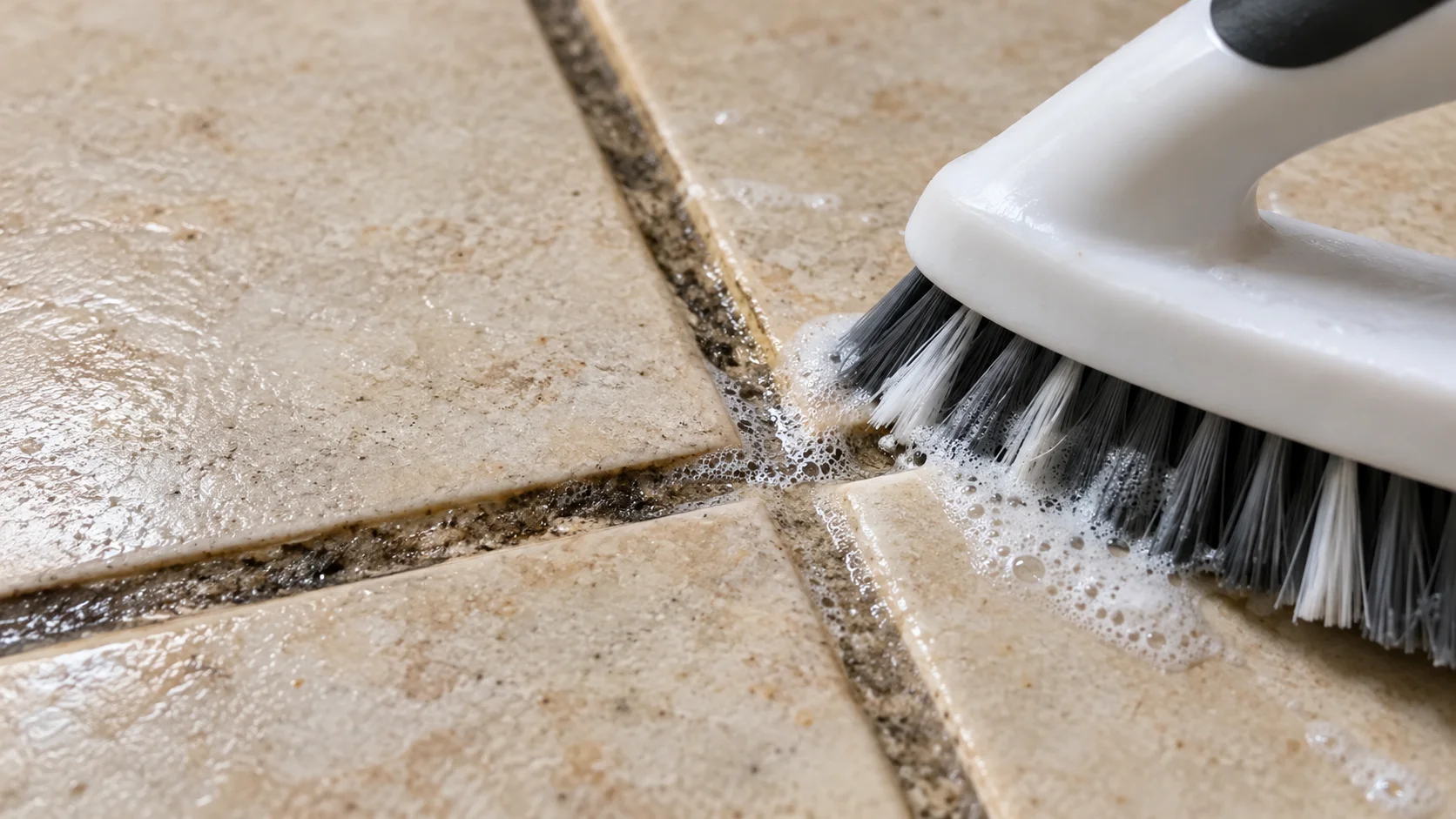
Dirty grout can make an otherwise clean tile floor, bathroom, or kitchen backsplash look dull and neglected. Because grout lines collect soil, grease, soap residue, and moisture, ordinary mopping may not remove all the buildup. Choosing the right grout cleaner depends on the type of tile, the grout material, the stain, and how heavily the surface is used. A suitable cleaner, paired with a grout brush and correct technique, can improve the appearance of grout without unnecessary scrubbing or surface damage.
There is no single best grout cleaner for every home. A heavy-duty product may help with stubborn discoloration on compatible grout, while a neutral-pH cleaner is often a better choice for routine maintenance or delicate natural stone. DIY grout cleaner recipes may suit light soil, but homemade mixtures are not automatically safer or more effective than formulated products. This guide explains how to choose a tile and grout cleaner, compare popular options such as Zep and Black Diamond, use steam cleaners and brushes, and keep grout looking cleaner for longer.
What Is a Grout Cleaner and How Does It Work?
A grout cleaner is a product or cleaning solution designed to remove dirt, residue, and stains from the narrow joints between tiles. Grout can be cement-based, epoxy-based, or another formulation, and different products have different chemical properties. Some cleaners are designed for everyday soil, while others target stubborn stains or mineral deposits. The safest choice is the one specifically approved for your grout and tile.
A grout cleaner may work by loosening soil so it can be brushed away, dissolving certain deposits, or helping lift discoloration from the grout surface. However, cleaners cannot repair cracked grout, replace missing material, or reliably restore grout that has been permanently stained or damaged. If the grout is crumbling, loose, or repeatedly getting wet from a leak, cleaning alone will not solve the underlying problem.
Before buying a product, identify the stain and the surface. Grease in a kitchen, soap residue in a shower, and mineral deposits around a hard-water area may need different cleaning approaches. Always read the label and test the product in an inconspicuous spot first.
How to Choose the Best Grout Cleaner
The best grout cleaner is not necessarily the strongest one. It should remove the type of soil you have while remaining compatible with the tile, grout, sealant, and nearby fixtures. A product that works well on one installation may damage another, especially when acidic or highly alkaline formulas are involved.
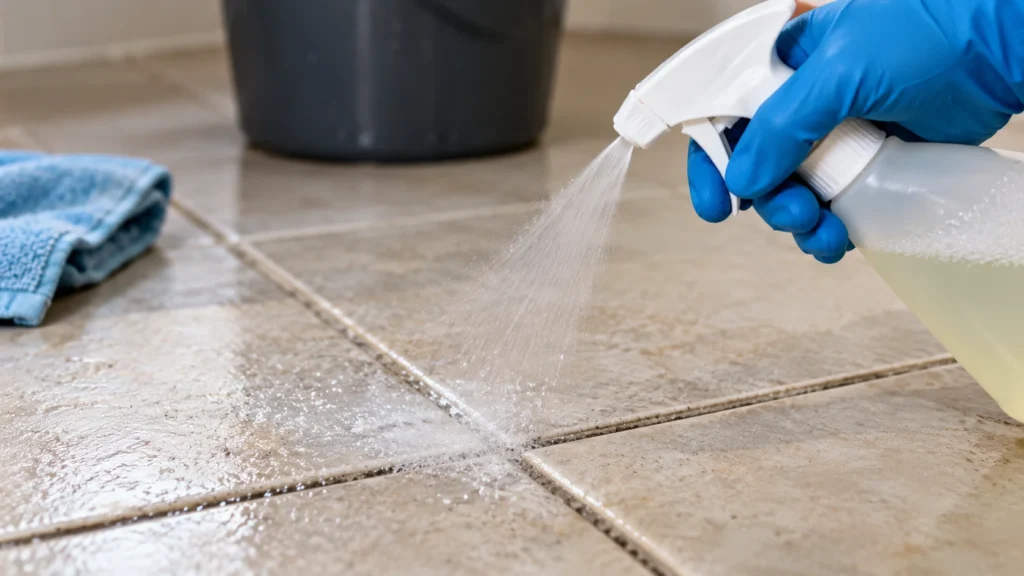
Consider these factors before choosing a cleaner:
- Grout type: Check whether the grout is cement-based, epoxy-based, sealed, or unsealed, and follow its care instructions.
- Tile material: Ceramic and porcelain tiles have different cleaning needs from marble, limestone, travertine, and other natural stone.
- Stain type: Grease, everyday dirt, soap scum, mineral deposits, and mildew-like discoloration may need different products.
- Cleaning frequency: A mild maintenance cleaner may be sufficient for routine care, while occasional deep cleaning may require a more targeted formula.
- Application method: Sprays, foaming cleaners, concentrated liquids, and brush-applied products suit different surfaces and cleaning tasks.
- Ventilation: Some products require good airflow and additional protective equipment.
- Rinsing requirements: Some cleaners need thorough rinsing, while others have different label instructions.
- Surface testing: A small test area helps reveal possible discoloration, dulling, or other damage before full application.
The U.S. Environmental Protection Agency advises users to read product labels, check surface compatibility, increase ventilation when needed, and never mix cleaning products.
Best Grout Cleaner Products to Consider
Product selection should be based on the manufacturer’s stated uses, the surface you need to clean, and the instructions on the current label. The following options are useful starting points to compare, not a claim that one product is universally superior. Availability and formulations can vary by retailer and region.
1. Zep Grout Cleaner and Brightener
Zep Grout Cleaner and Brightener is designed for stubborn stains and discoloration on compatible tile grout. Zep describes its formula as acidic and instructs users to apply it to a small grout section, allow it to penetrate briefly, brush where needed, and rinse thoroughly. The manufacturer also recommends testing an inconspicuous area before use.
This product may be worth considering when routine cleaning has not removed stubborn soil from suitable grout. It is not appropriate for every material: the product information warns against use on surfaces such as marble, terrazzo, travertine, natural stone, chrome, stainless steel, brass, and Corian. Check the exact bottle label before use, protect surrounding surfaces, and avoid letting the product splash or sit where it is not intended.
2. Zep Plus Foaming Grout Cleaner
Zep Plus Foaming Grout Cleaner is marketed for cleaning grout and helping protect against future grime buildup. Its foam is intended to cling to grout lines, including vertical areas, and the manufacturer’s instructions describe a short dwell time followed by brushing or wiping. The product page lists compatible tile types and advises testing an inconspicuous area first.
A foaming grout cleaner may be convenient for kitchen backsplashes and bathroom walls because it can be applied directly to the joint. Confirm that the exact product is compatible with your tile and grout, especially if the grout is colored or sealed. Follow the label rather than assuming that all Zep grout products have identical ingredients or application instructions.
3. Black Diamond Ultimate Grout Cleaner
Black Diamond Ultimate Grout Cleaner is another product consumers may encounter when comparing grout cleaners. Before buying it, check the current manufacturer’s label for approved surfaces, application directions, restrictions, and whether it is suitable for your specific grout type. Do not assume that a cleaner’s advertised strength means it is appropriate for natural stone or every colored grout.
Compare its instructions and price per usable amount with other products rather than relying only on star ratings or promotional claims. If you cannot verify that the cleaner is compatible with your surface, contact the manufacturer or choose a product with clearer compatibility guidance.
4. Fila Grout Cleaner and Deep Stain Remover
Fila offers products for tile and grout care, including cleaners intended for particular cleaning needs. When considering a Fila grout cleaner or deep stain remover, verify the exact product name and current directions. Product ranges may include different formulas for different materials, so a general brand name is not enough to establish compatibility.
A useful comparison should consider the target stain, approved surfaces, application time, rinsing requirements, and precautions. Use the manufacturer’s instructions to decide whether a particular Fila product suits your installation.
5. MAPEI Heavy-Duty Tile, Stone, and Grout Cleaner
MAPEI sells products for tile and stone installation and maintenance, but compatibility depends on the specific cleaner and the surface. If you are considering MAPEI Heavy-Duty Tile, Stone, and Grout Cleaner, read the current label and technical information before use. Do not assume that a product containing the words “stone” or “heavy-duty” is suitable for every natural stone finish.
For sensitive materials, including polished marble and other acid-sensitive stone, choose a cleaner explicitly approved for that surface. When in doubt, ask the tile or stone supplier for a compatible product.
6. Goo Gone Grout and Tile Cleaner
Goo Gone Grout and Tile Cleaner is another option to compare for household tile and grout cleaning. Check the exact product’s approved uses, surface restrictions, and directions before applying it. If the problem is greasy residue, soap buildup, or embedded soil, make sure the product is intended for that type of mess rather than choosing it solely because it is marketed for tile.
Whichever brand you choose, follow its label, use the recommended protective equipment, and never combine it with another cleaner. The EPA warns that mixing household cleaning products can create toxic vapors.
Best Homemade Grout Cleaner and DIY Grout Cleaner Recipes
A homemade grout cleaner can be useful for light dirt and routine maintenance, especially when you already have basic household cleaning supplies. However, homemade solutions are not automatically safer, more effective, or suitable for every tile. The EPA notes that household ingredients such as vinegar, baking soda, ammonia, and bleach have different properties and can be hazardous when used incorrectly.
1. Mild Dish Soap and Water
For light dirt on compatible tile and grout, start with a small amount of mild dish soap diluted in warm water.
- Mix the solution according to the soap manufacturer’s directions.
- Apply it to the dirty grout with a sponge or soft brush.
- Gently scrub the grout lines.
- Wipe away loosened soil.
- Rinse with clean water if needed and dry the surface.
This is a reasonable first attempt for everyday grime. If the grout remains stained, check the stain type and surface instructions before moving to a stronger cleaner.
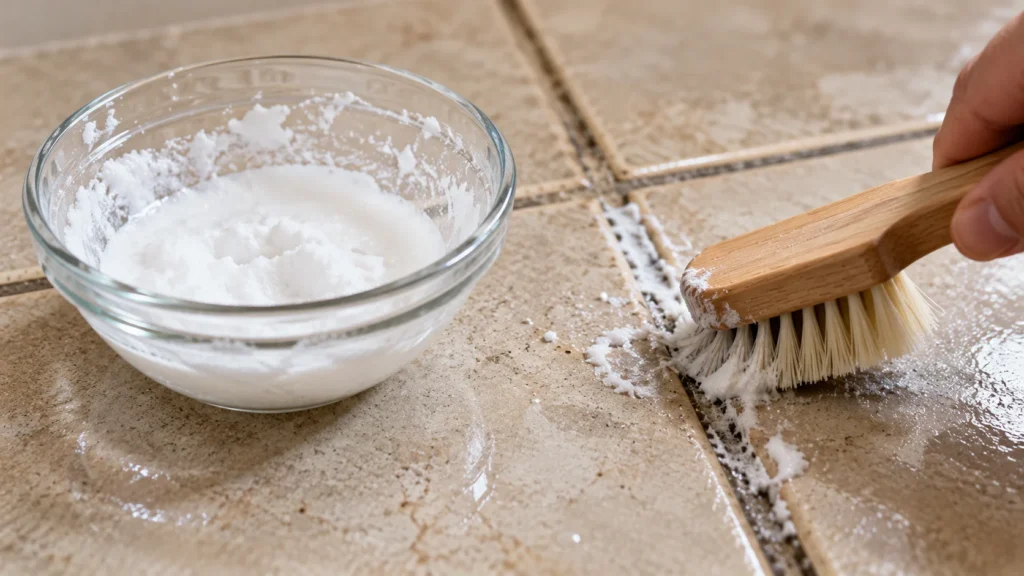
2. Baking Soda as a Grout Cleaning Aid
Baking soda is sometimes used in household cleaning because it can help loosen some surface grime when applied carefully. It is not a universal grout stain remover, and scrubbing powders or pastes can affect delicate finishes. Avoid using abrasive methods on polished natural stone or surfaces whose manufacturer prohibits them.
If you decide to use baking soda, test a small, inconspicuous area first, scrub gently with a soft brush, and rinse away the residue. Stop if the tile becomes dull or the grout surface appears damaged.
3. Vinegar-Based DIY Grout Cleaner: Use Caution
Vinegar is acidic, so it should not be treated as a universal tile and grout cleaner. Acidic products can etch acid-sensitive natural stone such as marble, limestone, and travertine. They may also be unsuitable for some grout, sealers, and finishes. Check the tile and grout manufacturer’s instructions before considering an acidic cleaner.
Do not mix vinegar with bleach, hydrogen peroxide, or other cleaning products. If you are unsure about the material or its sealant, choose a cleaner specifically approved for the surface instead of experimenting with a homemade recipe.
4. What About Hydrogen Peroxide?
Hydrogen peroxide is included in some household cleaning suggestions, but its suitability depends on the concentration, formulation, and surface. It can affect some dyes, finishes, and materials. Do not assume that a homemade mixture will be effective for every type of grout stain.
Use a product only when its instructions support the intended application, and never mix it with vinegar or another cleaner. For stubborn stains, a properly labeled grout cleaner may offer clearer instructions for use and surface compatibility.
Grout Cleaner Machine: Is Steam Cleaning Worth It?
A grout cleaner machine can mean several different tools: a handheld electric scrubber, a dedicated tile-cleaning machine, an extraction machine, or a steam cleaner. These tools work differently, so choose one according to the surface, the type of soil, and the manufacturer’s instructions.
A steam cleaner for grout uses heated vapor to loosen certain kinds of dirt and residue. It may be useful on compatible surfaces, but steam is not appropriate for every tile installation. Excessive heat or moisture can damage some sealants, finishes, adhesives, and sensitive materials. Check both the machine instructions and the tile installation guidance before using steam.
When to Use a Steam Cleaner for Grout
A steam cleaner may be worth considering when:
- You have a substantial tiled area to maintain.
- Grout lines contain stubborn surface soil that brushing alone has not removed.
- The machine manufacturer approves the tile and grout material.
- The installation can tolerate the machine’s heat and moisture.
- You can manage the dirty water or residue as directed.
- You want a tool that can also be used for other compatible household cleaning tasks.
A steam cleaner is not automatically the best steam cleaner for tile and grout simply because it has a high temperature or numerous attachments. Consider its control settings, included brushes, instructions, ease of handling, and compatibility with your installation.
What to Check Before Buying a Grout Cleaner Machine
- Surface compatibility: Confirm the machine is suitable for your tile and grout.
- Heat settings: Adjustable settings may be useful when the manufacturer permits different applications.
- Brush attachments: Choose brushes that can reach the grout without scratching adjacent tile.
- Water capacity: A larger tank may reduce interruptions during bigger jobs.
- Handling: Check the machine’s weight, cord length, and ability to reach corners.
- Maintenance: Review how the machine is drained, descaled, and stored.
- Safety instructions: Follow warnings about hot steam, pressure, and suitable protective equipment.
For small areas, a manual grout brush and compatible cleaner may be more practical and less expensive than a machine. For large areas, compare the time saved with the cost and maintenance of the equipment.
Jump into Other Related Article
- Laundry Dryer Vent Installation
- Does Rayon Shrink?
- How to Remove Coffee Stains
- How to Clean Suede Shoes
- Best Stain Remover for Clothes
- How to Clean Stainless Steel
- How to Clean Carpet Stains
- Oxygen Bleach
- Homemade Laundry Detergent
- All in One Washer Dryer
- Small Laundry Room Ideas
Best Grout Cleaner Tool: Brushes, Pads, and Scrubbers
A suitable grout cleaner tool helps loosen soil from narrow joints without unnecessarily damaging the grout or adjacent tile. The best tool depends on the grout’s condition, the joint width, and the surface finish.
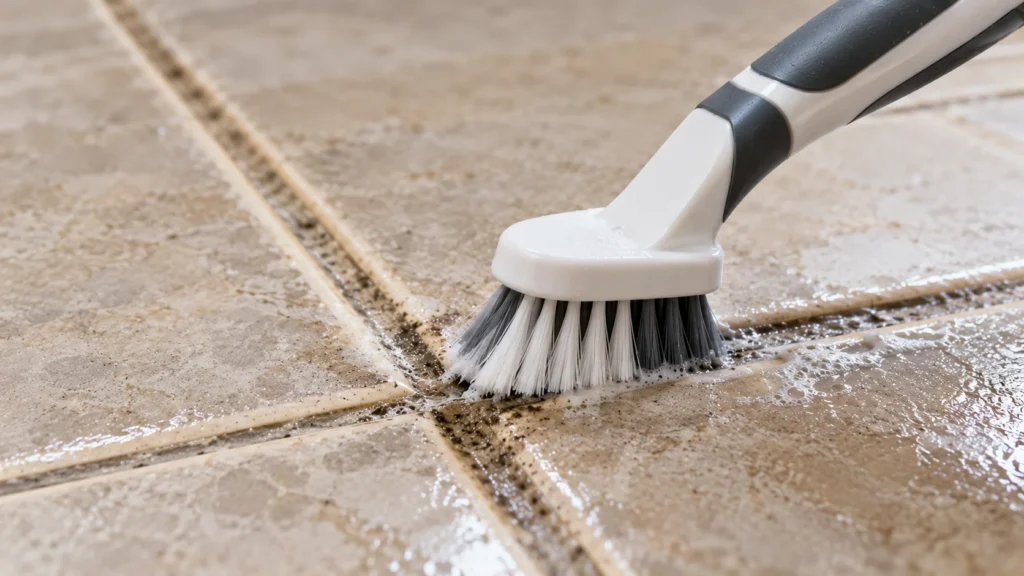
- Nylon grout brush: Useful for scrubbing ordinary grout lines.
- Small detailing brush: Reaches corners and narrow joints around fixtures.
- Soft toothbrush: May help with small, accessible areas when the bristles are suitable.
- Nonabrasive sponge: Suitable for wiping cleaner from compatible tile surfaces.
- Microfiber cloth: Helps remove loosened residue and dry the surface.
- Handheld electric scrubber: Can reduce repetitive manual scrubbing, but use an attachment approved for the surface.
- Steam-cleaner brush: Use only if the machine manufacturer approves the brush and surface combination.
- Grout-cleaning attachment: Can make long grout lines easier to treat consistently.
- Plastic scraper: May help remove certain deposits when the surface instructions allow it; avoid sharp metal tools that can scratch tile or damage grout.
- Wet vacuum or extraction equipment: May be useful in specific cleaning setups when the equipment is designed for the task.
Avoid wire brushes and aggressive scouring pads unless the material manufacturer specifically approves them. They can scratch tile, remove finishes, or damage grout. A stronger tool is not necessarily a better one: the goal is to remove soil while keeping the grout and tile intact.
How to Clean Tile Grout for Better Results
The correct cleaning sequence helps prevent loosened dirt from spreading back over the floor. Before starting, remove loose dust and debris, identify the grout and tile type, and select a compatible cleaner. Zep’s tile-and-grout guidance similarly recommends treating grout first, using the appropriate product, and following the directions for heavy-duty cleaning when needed.
Follow this process for a routine cleaning session:
- Remove loose debris. Sweep or vacuum the tiled area so grit does not interfere with cleaning.
- Read the cleaner’s label. Confirm that it is approved for your tile, grout, and any sealant.
- Test a small area. Look for discoloration, dulling, or other unwanted changes before treating the full surface.
- Work in manageable sections. Applying cleaner to a small area at a time helps you control the application and rinsing.
- Allow the recommended contact time. Do not let a product dry on the surface unless its instructions specifically allow it.
- Brush the grout gently. Use a suitable grout brush and avoid excessive pressure.
- Remove the loosened dirt. Wipe or extract residue according to the cleaner’s directions.
- Rinse where required. Some products require thorough rinsing; others specify a different process.
- Let the surface dry. Check the result only after the grout has dried.
- Repeat only if permitted. A stubborn stain may need another application, but follow the product label rather than applying stronger concentrations.
If the grout still looks dark after correct cleaning, it may be permanently stained, worn, or damaged. Consider whether repair, recoloring, or professional cleaning is more appropriate than repeatedly applying chemicals.
Best Grout Cleaner for Floors, Showers, and Bathrooms
Different rooms collect different types of soil. Choosing a cleaner for the actual problem is more useful than looking for one product that promises to handle every surface.
Best Grout Cleaner for Floors
Floor grout often collects tracked-in dirt, food residue, and soil from footwear. Start with routine sweeping or vacuuming and a cleaner approved for the tile and grout. For stubborn buildup, consider a targeted grout product and brush, following the manufacturer’s application and rinsing instructions.
Before using a heavy-duty cleaner, check whether the floor is ceramic, porcelain, marble, travertine, or another material. Some acidic grout cleaners can damage natural stone and nearby metal fixtures. Do not use a product merely because it is advertised for floors; verify that it is approved for your specific floor.
Best Grout Cleaner for Showers
Shower grout may accumulate soap residue, body-care products, mineral deposits, and mold-like discoloration. Use a cleaner designed for bathroom grout and compatible with the shower’s tile and sealant. After cleaning, rinse as directed and allow the area to dry.
For recurring discoloration, improve ventilation and repair leaks. If grout is cracked or loose, or if the sealant has failed, cleaning will not replace the need for repair. Use a dedicated shower grout cleaner only when its label confirms that it is appropriate for the materials involved.
Best Cleaner for Shower Tile and Grout
When both the tile face and grout lines need cleaning, confirm that the product is approved for both. A grout-only cleaner may be too aggressive for some adjacent tile finishes, natural stone, chrome, or metal trim.
If the tile is natural stone, use a cleaner approved for that stone rather than assuming that a product labeled “tile and grout” is universally safe. Test the product in an inconspicuous location and follow its directions for rinsing and drying.
Common Grout Cleaning Mistakes to Avoid
Avoiding common mistakes helps protect grout, tile, and nearby surfaces.
- Choosing by strength alone: A powerful acidic cleaner may damage sensitive stone or metal.
- Skipping the label: Application times, protective equipment, and surface restrictions vary by product.
- Mixing cleaners: Combining household chemicals can create dangerous vapors.
- Scrubbing too aggressively: Hard bristles or abrasive pads can scratch tile or wear grout.
- Letting products dry unintentionally: Some cleaners can leave residue or damage surfaces if left beyond the recommended contact time.
- Ignoring surrounding tile: Cleaner can splash or spread onto surfaces that are not compatible with it.
- Assuming every dark line is dirt: Grout can be permanently stained, worn, or affected by moisture.
- Overusing homemade recipes: Household ingredients can still damage finishes or create hazards when combined.
- Ignoring leaks: Repeated dampness can cause grout discoloration and further damage.
- Skipping rinsing or drying: Follow the product directions and remove remaining moisture when appropriate.
How to Keep Grout Cleaner for Longer
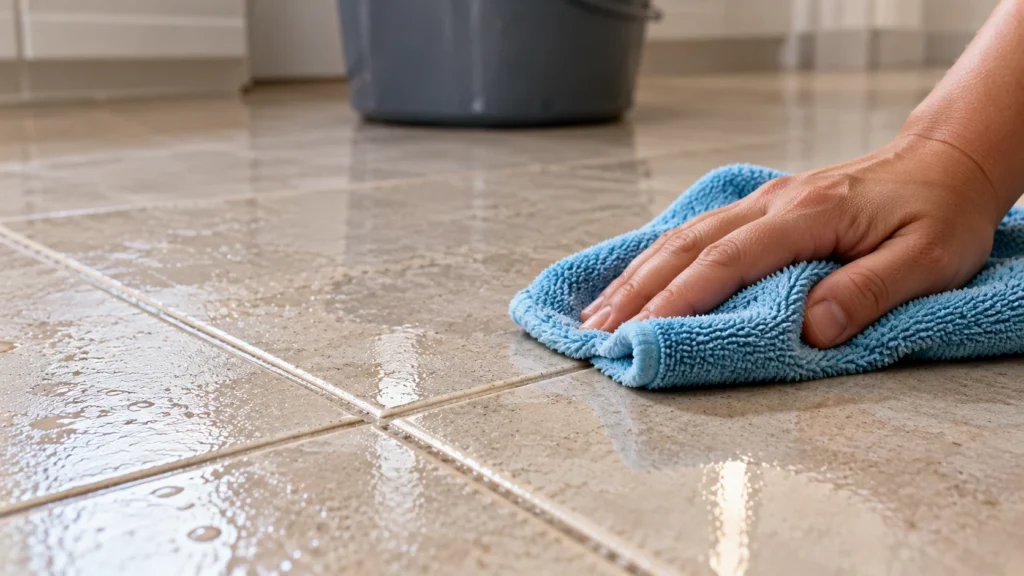
Routine care is usually easier than trying to restore heavily soiled grout. Sweep or vacuum floors regularly, wipe up spills promptly, and use a compatible routine cleaner rather than a heavy-duty formula for every cleaning session. In showers and bathrooms, remove standing water and keep the room ventilated.
If your grout is suitable for sealing, ask the tile or grout manufacturer whether a sealer is recommended and how often it should be maintained. Sealing is not appropriate for every grout type or installation, and it does not eliminate the need for cleaning. Follow the product instructions and allow the grout to dry properly before applying any sealer.
Conclusion
The best grout cleaner is the one that matches your stain, grout, tile, and cleaning needs. Zep Grout Cleaner and Brightener, Zep Plus Foaming Grout Cleaner, Black Diamond Ultimate Grout Cleaner, Fila products, MAPEI cleaners, and Goo Gone Grout and Tile Cleaner are options worth comparing, but their suitability depends on the exact formulation and surface restrictions. For light soil, a mild cleaning solution and grout brush may be enough; for stubborn stains, choose a targeted product or compatible cleaning machine and follow the manufacturer’s directions.
To get better results, remove loose debris first, test the cleaner in a small area, work in sections, scrub with a suitable tool, and rinse or dry as directed. Avoid mixing chemicals and take extra care with natural stone and delicate finishes. Regular maintenance, prompt spill cleanup, and appropriate grout sealing where recommended can help keep tile grout cleaner for longer.
1. What Is the Absolute Best Grout Cleaner?
There is no single best grout cleaner for every surface. The right choice depends on the stain, grout type, tile material, and product compatibility. A mild cleaner may be sufficient for everyday soil, while a targeted product may be more suitable for stubborn stains on compatible grout. Always check the manufacturer’s instructions before use.
2. Is Zep Grout Cleaner Safe for All Tile?
No. Zep Grout Cleaner and Brightener has specific surface restrictions, including natural stone such as marble and travertine, as well as certain metals and other materials. Check the exact product label and test a small inconspicuous area before cleaning.
3. Does a Steam Cleaner Work on Grout?
A steam cleaner may help loosen certain types of soil on compatible tile and grout, but it is not suitable for every installation. Heat and moisture can affect some sealants, finishes, and materials. Check the steam cleaner’s instructions and the tile manufacturer’s guidance before using it.
4. Is Homemade Grout Cleaner Better Than a Commercial Product?
Not necessarily. A simple homemade solution may help with light dirt, but its effectiveness and compatibility vary. Commercial products are formulated for particular tasks, and their labels provide instructions and warnings. Never assume a homemade mixture is safer, and never combine bleach with vinegar, ammonia, or other cleaners.
5. How Often Should I Clean Tile Grout?
Clean grout whenever routine floor or bathroom cleaning no longer removes the visible soil, and address spills promptly. The ideal frequency depends on foot traffic, moisture, household use, and the type of tile. Regular light maintenance is generally more practical than waiting until grime becomes heavily embedded.