
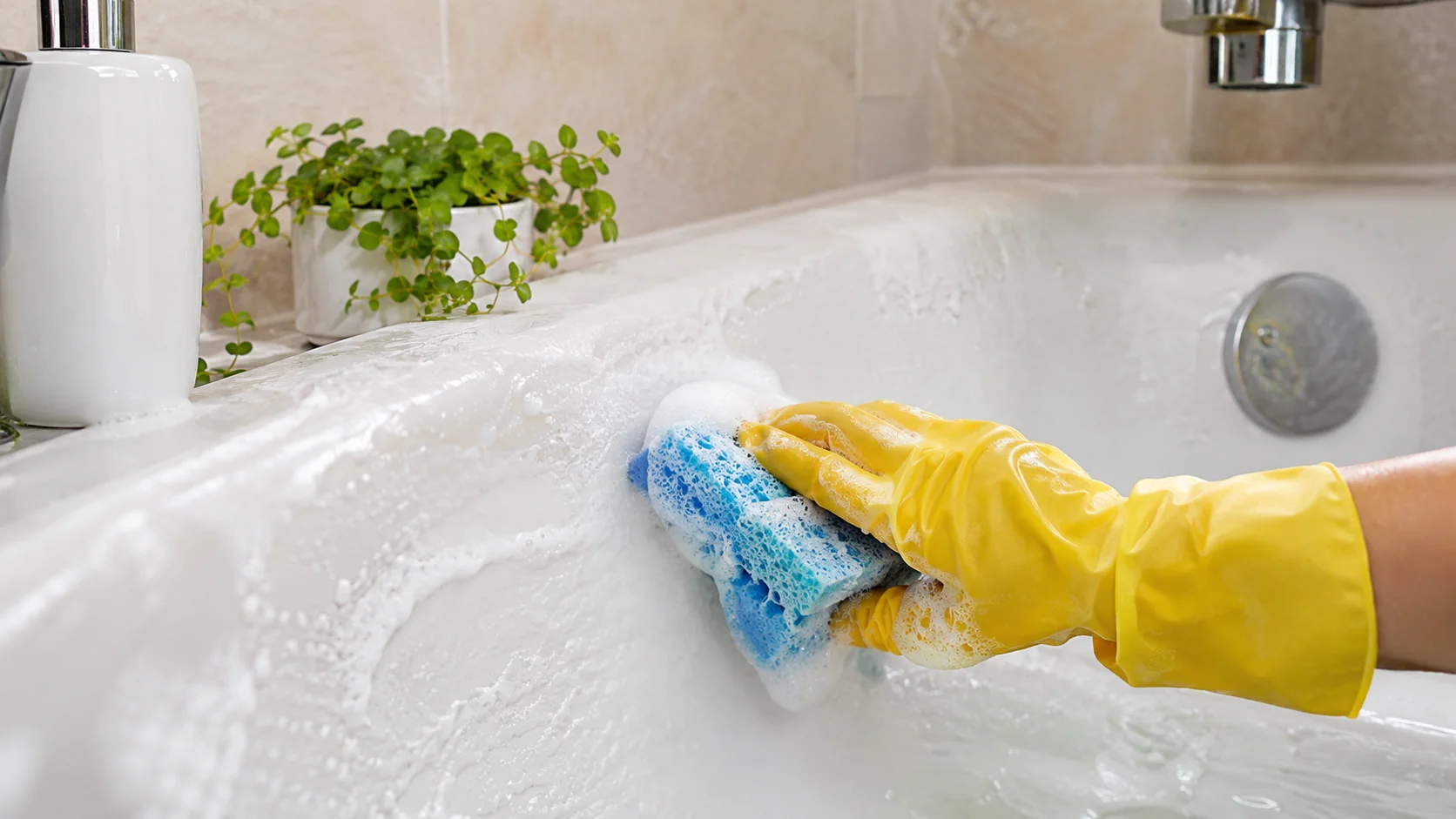
Choosing the best tub cleaner depends on what your bathtub is made of and what you need to remove. Soap scum, mineral deposits, body oils, and stubborn discoloration can require different cleaning approaches. A product that works well on porcelain may be too abrasive for acrylic or fiberglass, so matching the cleaner to the surface is essential.
This guide compares practical tub-cleaning options, explains how to clean different bathtub materials, and covers jetted tubs, hot tubs, and slow-draining bathtubs. It also includes safer cleaning methods and advice on when a stain or clog needs more than an ordinary bathroom cleaner.
7 Best Tub Cleaner Options for Different Cleaning Jobs
There is no single cleaner that works best for every bathtub. These seven options cover common cleaning needs, from routine soap scum to mineral stains and jetted-tub maintenance. Treat them as a task-based shortlist rather than a laboratory-tested ranking.
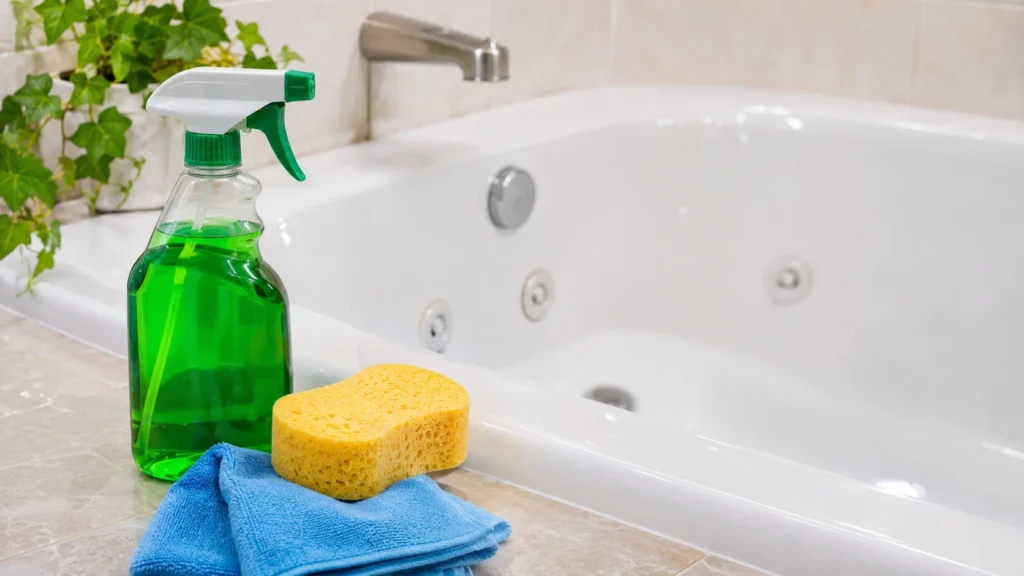
1. Simple Green All-Purpose Cleaner — for routine bathtub cleaning
A practical option for everyday dirt, body oils, and soap residue when the product is compatible with the tub’s material. Simple Green recommends a soft sponge or non-abrasive brush for bathtub cleaning.
2. Scrubbing Bubbles Bathroom Cleaner — for bathroom grime
A bathroom-cleaning option to consider for soap residue and general grime. Confirm that the particular formula is approved for your bathtub finish before use.
Best for: Compatible bathroom surfaces with ordinary buildup.
Check the current label and surface restrictions before buying.
3. Lysol Power Bathroom Cleaner — for bathroom residue
A bathroom-specific formula to consider for suitable hard surfaces. The product’s exact formula determines which stains it can address and whether it is safe for your tub.
Best for: Compatible surfaces where the label lists the type of buildup you need to remove.
Do not assume every Lysol formula is safe for every tub material.
4. CLR Calcium, Lime & Rust Remover — for mineral-related stains
This type of targeted remover is intended for certain mineral and rust deposits. Acidic products can damage some finishes, so check the label’s approved surfaces before using one on a bathtub.
Best for: Specific mineral or rust deposits on surfaces explicitly listed by the manufacturer.
Never use an unsuitable descaler on acrylic, fiberglass, or other restricted finishes.
5. Bar Keepers Friend Soft Cleanser — for compatible hard surfaces
A cleanser option for certain hard surfaces, but suitability depends on the product version and the tub finish. Do not assume that a cleanser suitable for a sink or metal fixture is also suitable for acrylic or fiberglass.
Best for: Surfaces specifically approved on the product label.
Avoid abrasive use on delicate finishes.
6. Oh Yuk Jetted Tub Cleaner — for jetted bathtub systems
A specialized cleaner marketed for jetted tubs. It is intended for cleaning the internal circulation system rather than simply wiping the bathtub basin.
Best for: Compatible jetted tubs, when approved by the tub manufacturer.
Follow both the tub manual and cleaner directions.
7. A Spa-Specific Filter Cleaner — for hot tub filters
Hot tub filters need products designed for filter maintenance, not ordinary household tub sprays. Select a formula approved for your filter type and follow its rinsing instructions.
Best for: Reusable spa filters that the manufacturer permits you to clean.
A filter cleaner is not a substitute for cleaning the hot tub shell.
Before using any product, read the full label and your bathtub’s care instructions. Simple Green specifically warns against abrasive cleaners on acrylic, fiberglass, and porcelain finishes; the same cautious approach is sensible when selecting any unfamiliar product.
Best Cleaner for Each Bathtub Material
A tub’s finish determines which ingredients and cleaning tools are appropriate. If you cannot identify the material, check the manufacturer’s documentation or ask a qualified plumber or installer before using a strong cleaner.
| Bathtub material | What to look for | What to avoid |
| Acrylic | Mild, non-abrasive liquid cleaner | Gritty powders, abrasive pads, harsh solvents |
| Fiberglass | Gentle cleaner approved for fiberglass | Steel wool, rough scouring pads |
| Porcelain-enamel | Compatible bathroom cleaner and soft sponge | Scraping, metal scrubbers, prolonged contact with unsuitable chemicals |
| Plastic | Product approved for the specific plastic | Solvents or strong cleaners not approved by the manufacturer |
| Clawfoot tub | Cleaner matched to the actual finish, such as enamel or acrylic | Assuming every vintage tub has the same finish |
| Hot tub shell | Spa-manufacturer-approved shell cleaner | Ordinary household chemicals that may leave residues or harm components |
Best Cleaner for an Acrylic Tub
Acrylic tubs should generally be cleaned with a mild, non-abrasive product and a soft sponge or microfiber cloth. Gritty cleaners and rough pads can leave scratches or a dull appearance.
For everyday residue, start with warm water and a small amount of mild liquid cleaner approved for acrylic. Rinse thoroughly and dry with a soft cloth. If a stain remains, consult the tub manufacturer’s care guide before escalating to a specialty stain remover.
Best Cleaner for a Fiberglass Tub and Shower
Fiberglass surfaces can become dull or scratched when exposed to abrasive cleaning. Use a product explicitly approved for fiberglass, along with a soft sponge or non-abrasive brush.
For soap scum, allow the cleaner to remain on the surface for the label’s recommended dwell time instead of scrubbing aggressively. If the surface is already worn or rough, stains may be trapped in the damaged finish and may not disappear with routine cleaning.
Best Cleaner for a Porcelain Tub
Porcelain-enamel tubs can tolerate some cleaning methods that are unsuitable for acrylic, but their finish is not indestructible. Use a cleaner approved for porcelain enamel, a soft sponge, and gentle pressure.
Avoid steel wool and metal tools that can scratch the finish. If the enamel is chipped, abrasive scrubbing can worsen the damage, and exposed metal may need professional repair.
Best Cleaner for a Plastic or Clawfoot Tub
Plastic tubs vary in composition, while clawfoot tubs can have different finishes depending on their age and construction. Identify the actual material before choosing a cleaner.
For older or refinished tubs, follow the refinishing company’s maintenance instructions. A product suitable for original enamel may not be safe for a newly applied coating.
Jump into Other Related Article
- Best Deck Stain and Sealer | Complete Guide for Pressure Treated, Cedar, Old, and Full Sun Decks
- Brick Stain Colors | Exterior, Interior, Fireplace, Paver, and Before and After Ideas
- How to Remove Coffee Stains | Easy Methods for Clothes, Teeth, Carpet & More
How to Remove Soap Scum From a Bathtub
Soap scum is a stubborn film formed from soap ingredients, body oils, and mineral residue. It often appears as a cloudy layer near the waterline, around the drain, or on the sides of a frequently used tub.
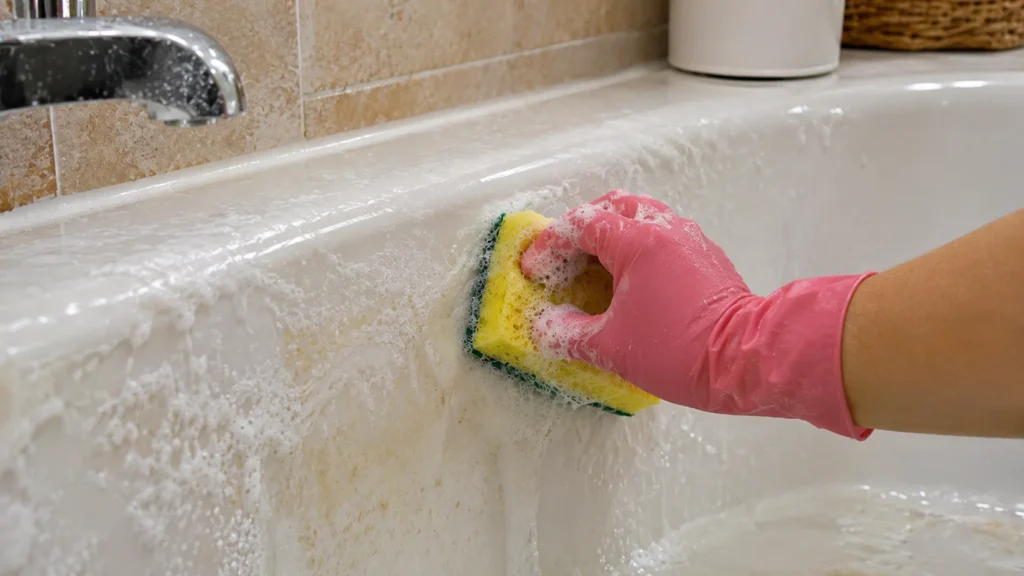
To remove it:
- Rinse the tub with warm water.
- Apply a compatible bathroom cleaner or mild detergent solution.
- Let it sit for the period stated on the label.
- Wipe with a soft sponge, working in small sections.
- Rinse thoroughly to remove loosened residue.
- Dry the surface with a clean microfiber cloth.
For acrylic and fiberglass, avoid gritty pastes and abrasive pads. If the residue remains, repeat with an appropriate cleaner rather than immediately switching to a harsher chemical.
Best Tub Cleaner for Hard Water Stains
Hard water can leave white, chalky marks around the faucet, drain, and waterline. These deposits are different from soap scum, so a general bathroom cleaner may not remove them completely.
For a compatible surface, choose a cleaner specifically labeled for mineral deposits or limescale. Check its restrictions carefully: acidic descalers can damage certain tub finishes, natural stone, and nearby metal components.
If the tub manufacturer permits a mild acidic cleaner, follow the specified dilution and contact time. Do not leave a product on longer than directed, and rinse it away completely.
Important: Never combine vinegar or another acidic cleaner with bleach. Do not mix different cleaning products together; dangerous fumes or reactions can result. The CDC advises using cleaners according to their labels and never mixing bleach with other cleaners.
Best Tub Cleaner for Tough Stains
Before treating a stubborn bathtub stain, identify what caused it. Different marks may need different approaches, and using a strong cleaner without identifying the material can damage the finish.
| Stain | Possible cause | Sensible first approach |
| Yellow or gray film | Soap residue, body oils, or product buildup | Compatible bathroom cleaner and soft sponge |
| White, chalky deposits | Hard-water minerals | Surface-approved mineral deposit remover |
| Orange or reddish marks | Rust or iron-containing water | Product labeled for rust and approved for the tub |
| Dark spots around caulk | Dirt or possible mildew | Suitable cleaner and inspection for moisture problems |
| Colored marks | Bath products, dyes, or cosmetics | Gentle cleaning followed by a compatible stain-specific product |
If discoloration persists after appropriate cleaning, the surface may be scratched, etched, worn, or permanently stained. Repeated aggressive scrubbing is unlikely to restore a damaged finish and can make the problem worse.
Best Homemade Tub Cleaner: What Can You Use?
For routine cleaning, a simple solution of warm water and a small amount of mild dish detergent may be enough to remove everyday residue. This approach avoids the need to start with a strong chemical cleaner.
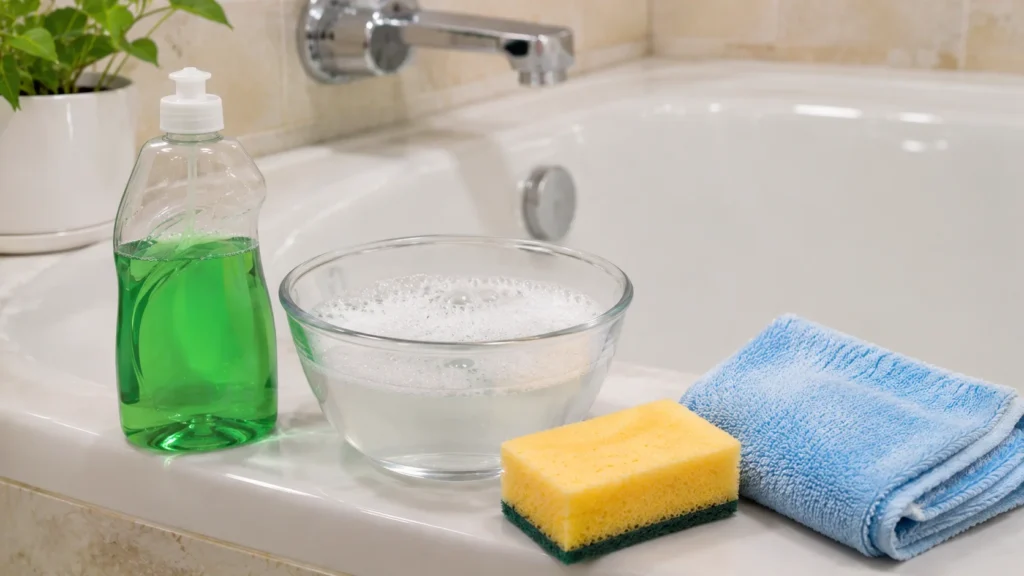
A Mild DIY Cleaning Method
- Remove bath products, mats, and loose debris.
- Mix a small amount of mild dish detergent into warm water.
- Apply it with a soft sponge or microfiber cloth.
- Wipe the tub gently, including the waterline and corners.
- Rinse until no slippery residue remains.
- Dry the surface with a clean cloth.
Test any homemade mixture on a hidden area first, and follow the tub manufacturer’s care guidance. Baking soda can be mildly abrasive, so it should not be assumed safe for every acrylic, fiberglass, or refinished tub.
Avoid homemade combinations that mix multiple cleaners. In particular, never combine bleach with vinegar, ammonia, or another cleaning product.
Best Jacuzzi Tub Cleaner and Jetted Tub Cleaner
Jetted bathtubs have internal plumbing and circulation components that ordinary surface cleaners cannot fully clean. Body oils, soap residue, and other deposits may accumulate in the system, even if the basin looks clean.
Choose a cleaner specifically designed for jetted bathtubs and approved by the tub manufacturer. The cleaning process varies by system, so follow the owner’s manual for water level, product quantity, circulation time, and rinsing.
A general process may involve:
- Checking the manual for the approved cleaner and procedure.
- Filling the tub to the required level, if the instructions call for it.
- Adding the specified amount of jetted-tub cleaner.
- Running the jets for the prescribed time.
- Draining the tub and rinsing the system as directed.
- Wiping the basin with a compatible surface cleaner.
Do not assume that a cleaner for the visible tub surface is suitable for internal plumbing. Avoid adding ordinary bleach, dish soap, or other household products to the jet system unless the manufacturer specifically permits it.
Best Homemade Jetted Tub Cleaner
The safest homemade option is the one permitted by the tub manufacturer. Some systems allow particular cleaning procedures using readily available products, while others require a dedicated jetted-tub formula.
Because internal pumps, seals, and plumbing differ, avoid using a generic online recipe without checking the manual first. If the tub continues to release debris or has an unusual odor after cleaning, consult the manufacturer or a qualified service professional.
Best Hot Tub Cleaner for the Shell and Filter
A portable hot tub or spa is different from a standard bathtub. Its shell, filter, plumbing, and water-treatment system each have different maintenance needs.
Cleaning the Hot Tub Shell
Drain the spa according to its manual when shell cleaning is required. Use a cleaner approved for that specific surface, then rinse thoroughly so residues do not enter the water when the spa is refilled.
Do not use ordinary bathroom sprays unless the spa manufacturer approves them. Some household products can leave residues or affect the water chemistry.
Cleaning a Hot Tub Filter
Check the filter manual to determine whether it is reusable and which cleaning products are allowed. A filter cleaner is designed for the filter material, while a shell cleaner is designed for the spa’s interior surface.
A general filter-care routine may include removing the filter, rinsing away loose debris, applying an approved filter cleaner when needed, and rinsing it completely before reinstalling. Replace filters when they are damaged or no longer clean effectively.
Best Hot Tub Flush Cleaner
A plumbing flush product is intended to remove deposits from compatible spa plumbing before draining. Use one only when recommended for your system, and follow the specified circulation and draining procedure.
A plumbing flush, shell cleaner, and filter cleaner are not interchangeable. Choosing the right one helps avoid unnecessary residue or damage to spa components.
Best Tub Drain Cleaner for Standing Water
If water remains in the bathtub after you finish bathing, the problem may be a blockage rather than a dirty tub. Hair and soap buildup are common causes of slow drainage.
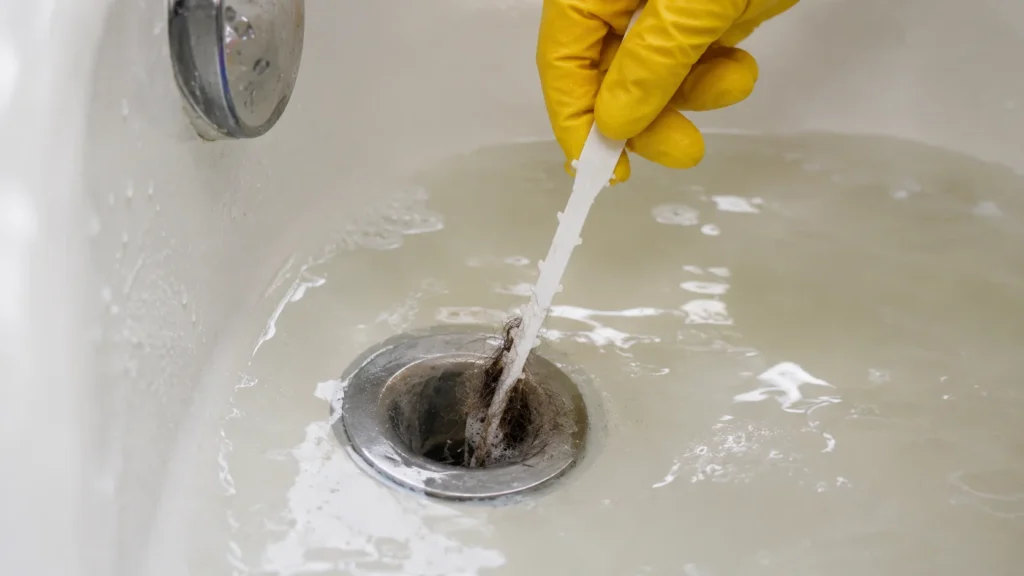
Try these steps before reaching for a chemical drain opener:
- Remove visible hair and debris from the drain opening.
- Use a drain strainer or a suitable plastic drain-cleaning tool to remove accessible buildup.
- If appropriate for your plumbing, use a plunger according to its instructions.
- If the water remains standing, inspect the accessible stopper or drain assembly only if you can do so safely.
- Call a plumber if the blockage persists or multiple drains are affected.
Is Chemical Drain Cleaner the Best Choice?
Not necessarily. Chemical drain openers can be hazardous and may damage some plumbing components if misused. Never mix drain-cleaning products or add another chemical after using one; follow the label’s precautions before attempting further work.
For homes with septic systems, the U.S. Environmental Protection Agency advises avoiding chemical drain openers and suggests alternatives such as a drain snake.
If you have already poured a chemical product into standing water, tell a plumber what was used before they work on the drain. Do not reach into the water or use another chemical to try to counteract it.
How to Clean a Bathtub Without Damaging It
Use this simple routine when you need to clean the entire tub, not just one stain.
- Clear the area. Remove bottles, bath toys, mats, and other items.
- Rinse first. Use warm water to loosen surface dirt and wash away loose particles.
- Apply the right cleaner. Choose one approved for the tub’s material.
- Allow contact time. Follow the product label rather than letting the cleaner sit indefinitely.
- Wipe gently. Use a soft sponge or microfiber cloth; use a soft brush only where appropriate.
- Rinse thoroughly. Remove all cleaning residue, especially around the drain and faucet.
- Dry the surface. A clean towel helps reduce water spots and leftover moisture.
Simple Green and Martha Stewart’s bathtub-care guidance both emphasize choosing an appropriate cleaner and avoiding abrasive treatment that could damage a tub’s finish.
How Often Should You Clean a Bathtub?
For a frequently used family bathroom, a light weekly cleaning is a practical starting point. A deeper clean may be needed more or less often depending on the number of users, water hardness, bath products, and how quickly residue builds up.
- After each use: Rinse away visible residue and remove standing water when practical.
- Weekly: Clean the basin, waterline, faucet area, and drain opening.
- As needed: Treat mineral deposits or stains with a compatible targeted cleaner.
- Periodically: Inspect caulk, grout, drain fittings, and any jetted-tub components.
Regular maintenance is usually easier than removing a thick layer of soap scum after it has accumulated for months.
Conclusion
The best tub cleaner is one that removes the specific buildup you have without harming the bathtub’s finish. A mild, non-abrasive cleaner is a good starting point for routine maintenance, while soap scum, hard water deposits, rust, and drain blockages may require different solutions.
For acrylic and fiberglass tubs, gentle cleaning is particularly important. For porcelain enamel, jetted bathtubs, and hot tubs, follow the relevant manufacturer’s instructions rather than assuming a general bathroom product will work. With the right cleaner, careful application, and regular maintenance, you can keep your bathtub clean without creating avoidable surface damage.
What is the best tub cleaner overall?
The best overall choice is a non-abrasive cleaner approved for your bathtub material. A mild all-purpose cleaner may work for routine dirt, while soap scum, mineral deposits, and rust may need different products.
What is the best tub and shower cleaner?
Choose a bathroom cleaner that lists both your tub material and shower surface as approved uses. If the shower includes acrylic, fiberglass, natural stone, or specialty coatings, check the label before applying the product to the entire area.
What is the best cleaner for a fiberglass tub?
A non-abrasive cleaner approved for fiberglass is a sensible starting point. Use a soft sponge and avoid steel wool, gritty powders, and aggressive scrubbing that could dull or scratch the surface.
What is the best acrylic tub cleaner?
A mild liquid cleaner specifically approved for acrylic is generally preferable. Avoid abrasive pads and products containing solvents or other ingredients prohibited by the tub manufacturer.
What is the best bathtub cleaner for soap scum?
A compatible bathroom cleaner or mild detergent that removes oily residue is a good first choice. Let the product work for the label’s recommended time before wiping gently.
What is the best tub cleaner for hard water stains?
A product designed for mineral deposits can help, but it must be compatible with the bathtub finish. Some acidic descalers can damage acrylic, fiberglass, or other sensitive surfaces.
Can I use vinegar to clean a bathtub?
Vinegar may help with certain mineral deposits on compatible surfaces, but it is not appropriate for every tub material or finish. Check the manufacturer’s instructions first, and never mix vinegar with bleach or other cleaners.
What is the best cleaner for a porcelain tub?
Use a cleaner approved for porcelain enamel and a soft sponge. Although porcelain-enamel surfaces can be more durable than acrylic, abrasive tools can still scratch or damage the finish.
What is the best homemade jetted tub cleaner?
There is no universal homemade formula for every jetted tub. Follow the tub manufacturer’s cleaning procedure and use only products it approves for the internal circulation system.
What is the best cleaner for a hot tub?
Use separate, manufacturer-approved products for the shell, plumbing, and filter when needed. Ordinary bathtub cleaners are not automatically safe for a spa’s surfaces or water system.
What is the best drain cleaner for a bathtub with standing water?
Start by removing accessible hair and debris and consider a suitable drain snake or plunger. If the blockage persists, contact a plumber. Avoid mixing chemical drain openers or adding other cleaners to a drain that already contains chemicals.
Can I use one cleaner on every bathtub surface?
It is better not to assume that one product is safe for everything. Acrylic, fiberglass, porcelain enamel, plastic, and spa materials have different care requirements. Check the label and test a small, inconspicuous area when appropriate.