
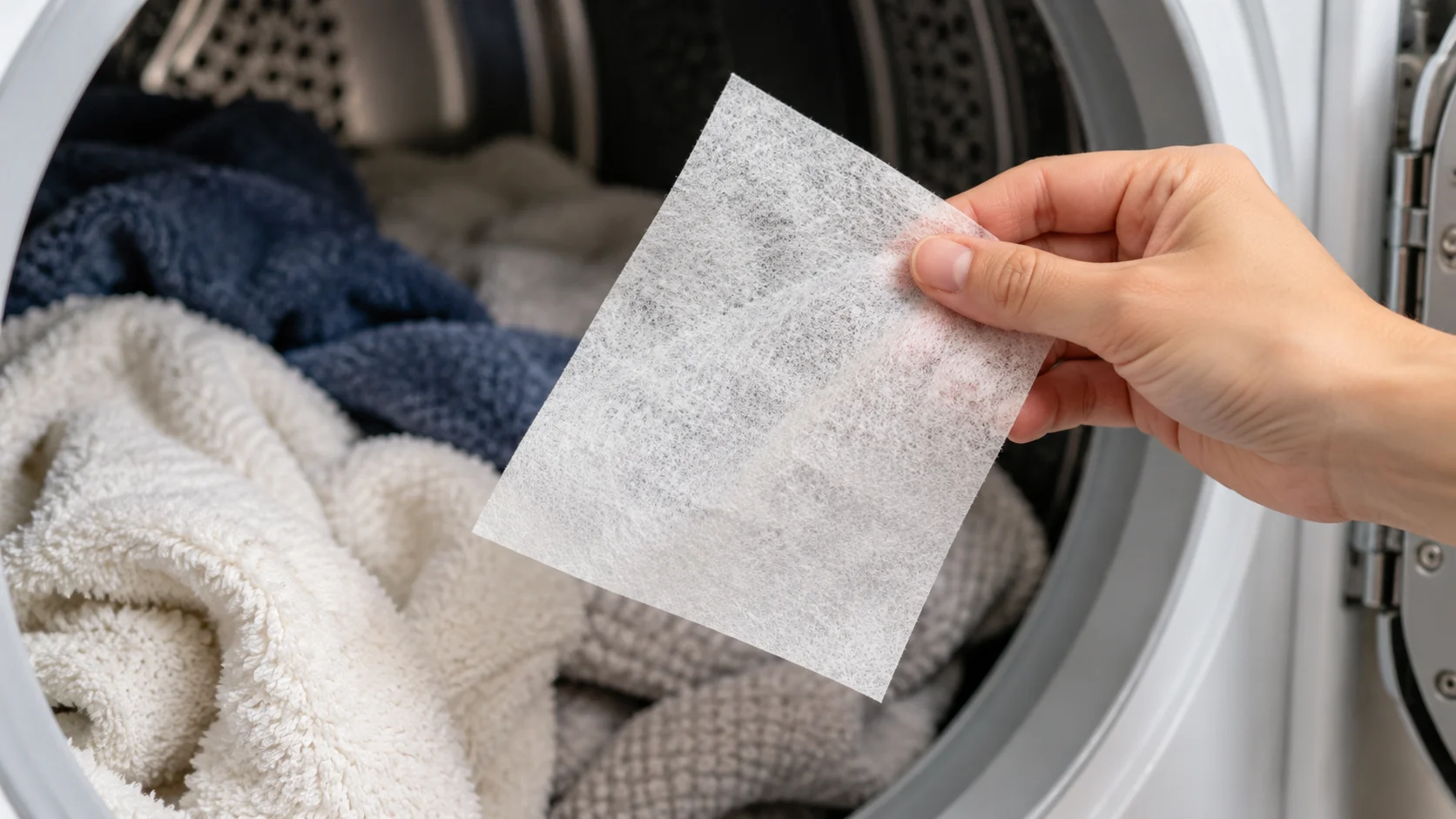
Are dryer sheets bad, or are they simply another convenient laundry product with a few limitations? Dryer sheets are designed to reduce static, soften fabrics, and add fragrance during tumble drying. They work by transferring softening agents and other ingredients onto fabric as the dryer heats and tumbles the load. The concern is not that every dryer sheet is automatically dangerous, but that certain products and uses can create problems for particular fabrics, sensitive skin, pets, dryer maintenance, and indoor air quality.
The better question is when are dryer sheets useful, and when should you skip them? They can be perfectly practical for some everyday laundry, but they are not ideal for every fabric or household. Towels can lose absorbency, athleticwear can lose moisture-wicking performance, flame-resistant clothing can be affected, and fragrance may bother people with sensitivities. This guide explains why dryer sheets can be bad in certain situations, how serious the concerns are, and what to use instead.
Are Dryer Sheets Bad?
Dryer sheets are not automatically bad for everyone or every load. They are laundry products specifically formulated to reduce static and provide softness and fragrance. The American Cleaning Institute explains that fabric softeners and dryer sheets are designed to condition fabrics, reduce static and wrinkles, and often add scent.
However, using them indiscriminately can cause drawbacks. Their softening ingredients coat fabric fibers, which is helpful for some clothes but undesirable for materials that need to absorb water, wick moisture, resist water, or retain flame-resistant performance.
The most important considerations are:
- They can leave residue on fabrics.
- They can reduce towel absorbency.
- They may interfere with moisture-wicking athleticwear.
- They can affect water-repellent fabrics.
- They may affect flame-resistant clothing.
- Fragrances can bother some sensitive people.
- They can contribute to residue on the dryer lint screen.
- They are unnecessary if you do not need their softening or anti-static effects.
- Used sheets create additional household waste.
- They can be dangerous to pets if chewed or swallowed.
So, are dryer sheets bad? The most accurate answer is: they can be a poor choice for certain fabrics, people, pets, and laundry situations, but they are not universally harmful when used correctly.
Why Are Dryer Sheets Bad for You?
The phrase bad for you often suggests that dryer sheets are inherently toxic. That is too broad. Dryer sheets contain different formulations depending on the brand and product, so their ingredients and fragrance systems are not identical.
Whirlpool says dryer sheets commonly contain softeners, lubricants, and fragrances carried on a polyester or cellulose sheet, while the American Cleaning Institute explains that fabric softeners can contain cationic surfactants and other formulation ingredients.
The more relevant concern for some people is sensitivity to fragrances or ingredients, rather than assuming every dryer sheet causes general health problems.
EPA states that some sensitive individuals may experience adverse health effects from fragrances, including asthma episodes, although the science around individual fragrance-related reactions is complex and not every person responds the same way. (epa.gov)
Therefore, if you notice symptoms whenever strongly fragranced laundry products are used, switching to fragrance-free laundry products is a reasonable way to reduce exposure.
Are Dryer Sheets Bad for Your Health?
For most people, there is not a simple answer that all dryer sheets are harmful to health. The type of product, ingredients, amount used, frequency of exposure, and individual sensitivity all matter.
People who have sensitive skin, eczema, fragrance sensitivity, or respiratory reactions may prefer to avoid fragranced dryer sheets. The American Academy of Dermatology recommends fragrance-free products for people managing eczema because fragrance can trigger flares in some individuals.
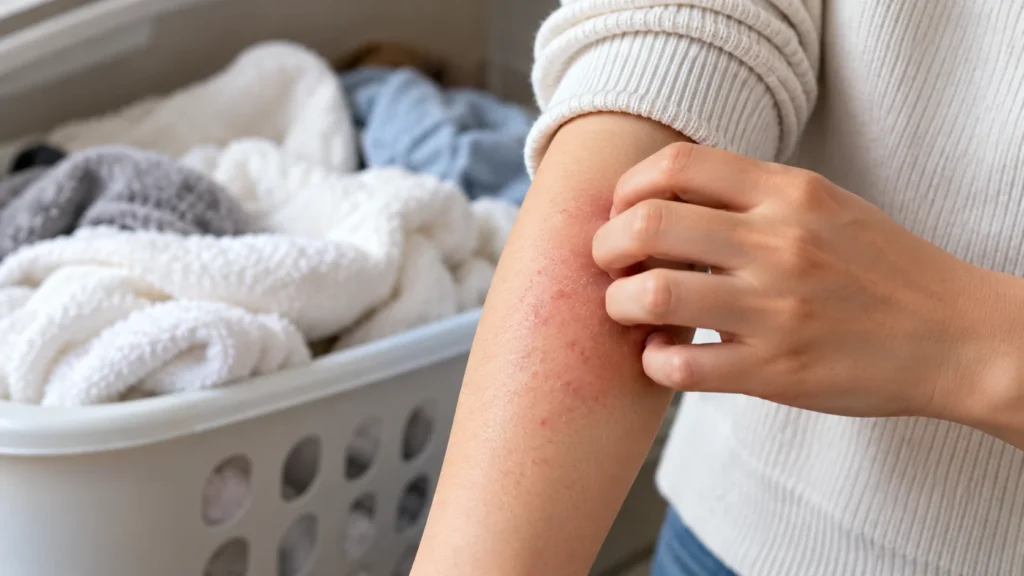
Similarly, the AAD recommends fragrance-free laundry products for people with certain sensitive-skin concerns and notes that scented fabric softeners or dryer sheets may contribute to irritation in children with eczema.
This does not mean every person who uses dryer sheets will develop a skin condition. It means that if a person repeatedly experiences irritation after wearing fragranced laundry, removing the fragrance source can be a useful troubleshooting step.
Are Scented Dryer Sheets Bad for You?
Scented dryer sheets deserve more attention if you are sensitive to fragrance. The fragrance remains associated with the laundry after drying, meaning people may continue to encounter the scent while wearing or handling the clothing.
EPA recognizes that fragrances can affect some sensitive individuals, although responses vary and scientific interpretation of fragrance-related symptoms is not completely uniform. (epa.gov)
If you are concerned about scented dryer sheets:
- Choose fragrance-free products.
- Read the product label.
- Avoid adding extra sheets simply for stronger fragrance.
- Try dryer balls if static reduction is your main goal.
- Use an extra rinse if appropriate for your laundry routine.
- Stop using the product if it repeatedly coincides with irritation.
- Consult a healthcare professional for persistent or unexplained symptoms.
Fragrance-free is generally a more useful label for sensitive skin than simply choosing something described as unscented. The AAD explains that unscented products can still contain fragrance used to mask other odors.
Jump into Other Related Article
- Laundry Dryer Vent Installation
- Does Rayon Shrink?
- How to Remove Coffee Stains
- How to Clean Suede Shoes
- Best Stain Remover for Clothes
- How to Clean Stainless Steel
- How to Clean Carpet Stains
- Oxygen Bleach
- Laundry Dryer Vent Installation
Are Dryer Sheets Bad for Sensitive Skin?
They can be problematic for people whose skin reacts to fragrance or other ingredients. Dryer sheets leave conditioning ingredients on fabric, so whatever remains on the clothing can stay in contact with your skin.
The American Academy of Dermatology recommends fragrance-free laundry products for eczema-prone skin and advises avoiding fabric softeners and dryer sheets when they contribute to irritation.
If your skin is sensitive, consider:
- Fragrance-free laundry detergent.
- Fragrance-free fabric-care products.
- Skipping dryer sheets.
- Using an extra rinse where appropriate.
- Washing new clothes before wearing them.
- Choosing breathable clothing.
- Monitoring whether symptoms improve when fragranced products are removed.
If irritation continues despite changing laundry products, the cause may be unrelated to dryer sheets and should be evaluated appropriately.
Are Dryer Sheets Bad for Babies?
There is no universal rule that dryer sheets are dangerous for every baby’s clothing, but caution is sensible because infants can have sensitive skin and their clothes remain against their skin for long periods.
For babies with eczema or sensitive skin, fragrance-free laundry products are often preferable. The AAD recommends fragrance-free and dye-free laundry detergent as part of eczema-friendly clothing care.
There is another important issue: flame-resistant clothing. Dryer sheets and fabric softeners can affect the performance of flame-resistant garments, so parents should follow the care instructions on children’s sleepwear rather than automatically adding softener products.
For baby laundry:
- Check every garment’s care label.
- Use fragrance-free products if your baby has sensitive skin.
- Avoid dryer sheets on flame-resistant sleepwear when prohibited by the label.
- Do not use extra sheets simply to make clothes smell stronger.
- Keep unused dryer sheets away from children.
- Store laundry products securely.
Are Dryer Sheets Bad for Your Skin?
Dryer sheets can be a problem for some skin-sensitive individuals because their ingredients and fragrances are transferred to clothing. However, this does not mean that everyone who touches or wears clothes dried with dryer sheets will experience a reaction.
The American Academy of Dermatology identifies fragrance as a common trigger for contact dermatitis and recommends fragrance-free products when fragrance is suspected.
If you suspect dryer sheets are irritating your skin, a simple laundry-product elimination test can be useful:
- Stop using dryer sheets.
- Switch to fragrance-free laundry products.
- Wash clothing thoroughly.
- Use clean bedding and towels.
- Wear freshly washed clothes.
- Observe whether irritation improves.
- Reintroduce products cautiously only if appropriate.
- Seek dermatological advice if the problem persists.
Are Dryer Sheets Bad for Clothes?
Dryer sheets are not necessarily bad for clothes, but they are not appropriate for every type of fabric.
The softening ingredients are intended to coat fibers. That coating can change how some specialized fabrics perform. Whirlpool specifically recommends avoiding dryer sheets on athleticwear and microfiber, towels, flame-resistant clothing, and water-repellent fabrics.
This is one of the strongest reasons not to use a dryer sheet automatically with every load.
Fabrics to Be Careful With
- Towels
- Microfiber cloths
- Athleticwear
- Workout leggings
- Moisture-wicking fabrics
- Water-repellent clothing
- Flame-resistant garments
- Certain technical outdoor fabrics
- Items with special performance finishes
Always follow the garment’s care label because fabric construction and manufacturer’s recommendations can vary.
Are Dryer Sheets Bad for Towels?
Yes, dryer sheets can be a poor choice for towels when maximum absorbency is important. Their softening ingredients coat fibers, and that coating can reduce how effectively towels absorb water.
Whirlpool specifically advises avoiding dryer sheets on towels because softeners may reduce absorbency.
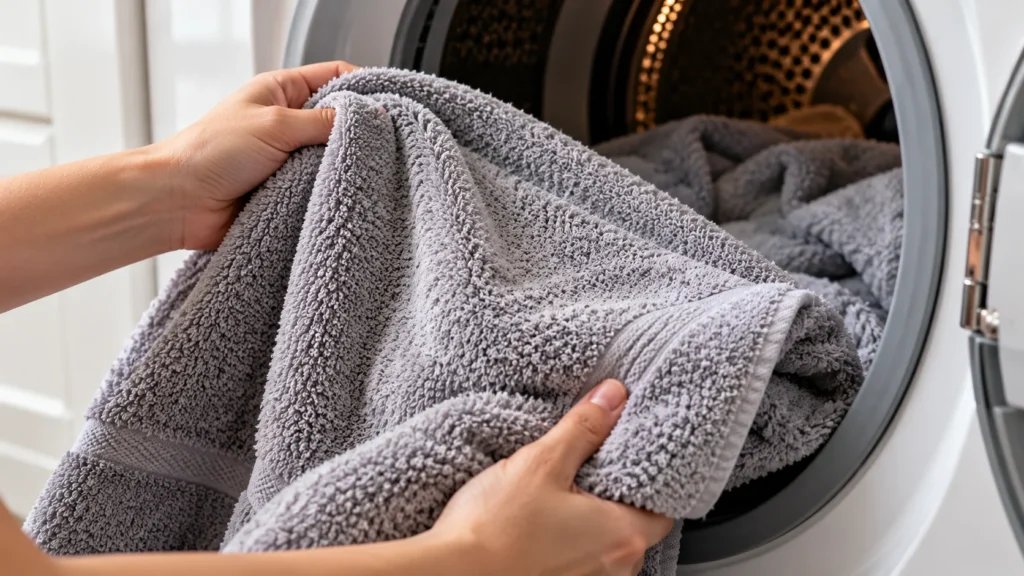
If your towels have stopped absorbing water effectively:
- Skip dryer sheets.
- Skip or reduce fabric softener.
- Wash towels according to their care instructions.
- Avoid excessive detergent.
- Make sure towels rinse properly.
- Dry them according to the label.
- Clean the dryer lint screen regularly.
- Avoid overloading the dryer.
You can still have soft towels without relying on a dryer sheet in every load.
Are Dryer Sheets Bad for Athleticwear?
Dryer sheets can interfere with the performance characteristics that make athleticwear useful. Moisture-wicking fabrics are designed to move sweat and moisture away from the body, while conditioning agents can coat the fibers.
Whirlpool specifically advises avoiding dryer sheets on athleticwear and microfiber because the ingredients can affect moisture-wicking and stain-absorbing performance.
For workout clothes:
- Follow the garment care label.
- Skip dryer sheets unless the manufacturer specifically permits them.
- Avoid excessive fabric softener.
- Use the recommended detergent amount.
- Choose the appropriate drying temperature.
- Remove clothing promptly after drying.
- Wash heavily sweaty garments appropriately.
Are Dryer Sheets Bad for Flame-Resistant Clothes?
This is one category where you should be particularly careful. Fabric softeners and dryer sheets can affect the self-extinguishing properties of some flame-resistant clothing.
Whirlpool specifically warns that dryer sheets can affect the self-extinguishing ability of flame-resistant garments such as children’s pajamas.
For flame-resistant clothing:
- Read the garment label.
- Follow the manufacturer’s washing instructions.
- Do not assume a dryer sheet is safe.
- Avoid fabric softener when the label prohibits it.
- Do not prioritize softness over the garment’s protective function.
Are Dryer Sheets Bad for Water-Repellent Clothes?
They can be. Water-repellent fabrics rely on their surface characteristics to resist moisture, and conditioning products can interfere with that performance.
Whirlpool lists water-repellent fabrics among materials where dryer sheets should be avoided because their softening ingredients can affect water repellency.
This can matter for:
- Rain jackets
- Outdoor clothing
- Water-resistant fabrics
- Technical gear
- Certain performance textiles
When caring for technical clothing, always follow the manufacturer’s instructions rather than treating it like ordinary cotton laundry.
Are Dryer Sheets Bad for Your Dryer?
The dryer itself is not automatically damaged simply because you use dryer sheets correctly. However, dryer sheets can leave residue on the lint screen, and that residue can affect airflow if it accumulates.
Whirlpool says dryer sheets can leave an oily residue that may clog the lint filter screen and reduce circulation, creating a potential safety concern. It recommends cleaning the lint filter after every load and giving it a more thorough wash periodically.
Whirlpool also notes that fabric-softener residue on lint screens may not always be visible and should be cleaned occasionally to maintain drying performance.
So the problem is not simply dryer sheets ruin dryers. The more accurate concern is residue buildup and poor maintenance.
Why Are Dryer Sheets Bad for Your Dryer?
The main concern is residue rather than an immediate mechanical failure.
A lint screen with product buildup can interfere with effective airflow and drying performance. Whirlpool recommends cleaning the lint screen after every use and washing it with warm water and appropriate cleaning methods when residue accumulates.
Watch for:
- Longer drying times
- Clothes remaining damp
- Reduced airflow
- Visible residue on the lint screen
- Lint accumulating around the dryer
- A dryer that stops before clothes are dry
- Increased heat around the appliance
If performance changes, check the lint screen and venting rather than simply adding more dryer sheets.
Are Fabric Softener Sheets Bad for Your Dryer?
Fabric softener sheets and dryer sheets are essentially being discussed as the same type of in-dryer softening product in this context. Their residue can accumulate on the lint screen, especially with frequent use.
Whirlpool recommends inspecting the lint screen for residue and cleaning it when buildup occurs.
A good maintenance routine is:
- Remove lint after every load.
- Inspect the screen periodically.
- Wash residue away when needed.
- Allow the screen to dry completely.
- Keep the dryer vent clear.
- Check airflow if drying takes longer than normal.
- Follow the dryer manufacturer’s maintenance schedule.
Are Dryer Sheets Bad for the Environment?
The environmental question is more complicated than saying that all dryer sheets are environmentally harmful. Different products contain different materials and ingredients, and environmental impacts depend on manufacturing, packaging, fragrance ingredients, disposal, and how frequently the products are used.
A straightforward concern is that conventional dryer sheets are generally single-use laundry products, meaning each sheet becomes waste after one drying cycle. The ingredients are also transferred onto laundry and some fragranced laundry products can contribute to chemical emissions through dryer vents. An EPA-hosted record describes research examining volatile organic compounds emitted from residential dryer vents during use of fragranced laundry products. (epa.gov)
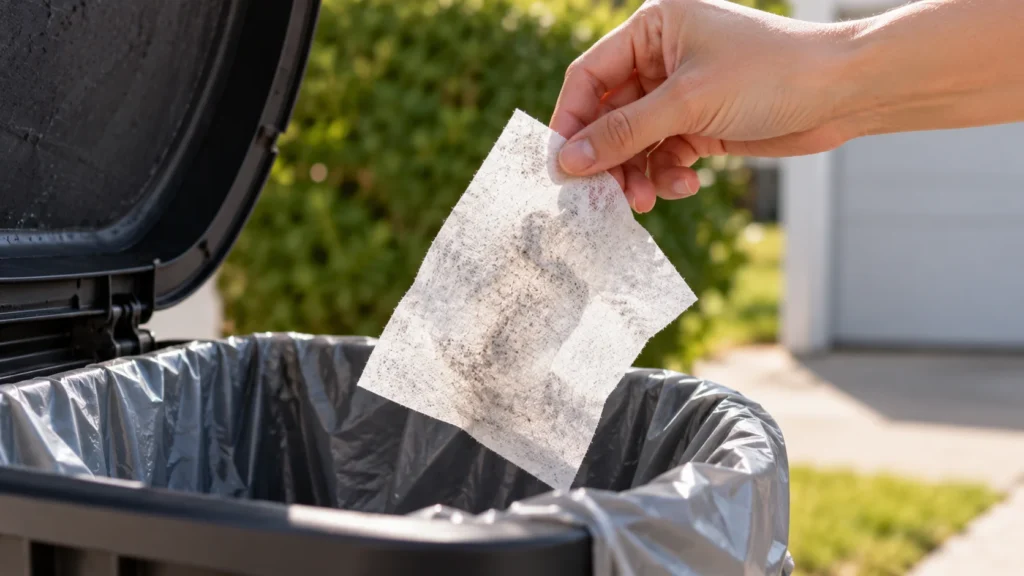
That does not mean one dryer sheet makes a household environmentally harmful. It means people trying to reduce unnecessary disposable products may reasonably choose reusable alternatives.
Why Are Dryer Sheets Bad for the Environment?
There are several reasons environmentally conscious consumers may choose alternatives:
- Most dryer sheets are used once.
- Regular use creates recurring solid waste.
- Packaging adds additional material consumption.
- Fragranced laundry products can contribute chemical emissions through dryer exhaust.
- Dryer sheets are not essential for cleaning clothes.
- Some alternatives can be reused repeatedly.
However, environmental comparisons should not be exaggerated. A reusable dryer ball also has a manufacturing footprint, and its environmental advantage depends on how long it is used and what material it is made from.
The strongest practical reason to switch is simply to reduce dependence on a disposable product when you do not need its specific benefits.
Are Dryer Sheets Bad for Dogs?
Unused dryer sheets can be dangerous if dogs chew or swallow them. The ASPCA explains that dryer sheets commonly contain cationic detergents, which can cause serious irritation and chemical injury when ingested, and the sheet itself can also present a foreign-body obstruction risk.
This means dryer sheets should be stored securely rather than left in laundry baskets, open drawers, or places where pets can reach them.
If a dog chews or swallows a dryer sheet:
- Do not assume it is harmless.
- Keep the product packaging.
- Contact a veterinarian or animal poison service promptly.
- Do not induce vomiting unless specifically instructed by a veterinary professional.
- Watch for drooling, vomiting, difficulty swallowing, or other unusual signs.
- Seek urgent veterinary care when symptoms occur.
Pet Poison Helpline also lists dryer sheets among laundry-room products capable of causing irritation or corrosive injury in pets. (petpoisonhelpline.com)
Are Dryer Sheets Bad for Cats?
Cats can also be harmed if they chew or ingest dryer sheets. The ASPCA identifies cationic detergents in many dryer sheets as a concern because they can cause oral and gastrointestinal injury.
For households with cats:
- Store unused sheets in a closed cabinet.
- Do not leave used sheets where pets can chew them.
- Keep laundry products off floors.
- Dispose of used sheets immediately.
- Contact a veterinarian if a cat ingests one.
- Keep product packaging available for identification.
The safest approach is prevention because the sheet itself can create an obstruction risk even apart from its chemical ingredients.
Are Bounce Dryer Sheets Bad for You?
Bounce dryer sheets should not automatically be classified as harmful simply because they are dryer sheets. The relevant questions are the specific product’s ingredients, fragrance, intended use, and whether it is appropriate for your household.
As with other dryer sheets, Bounce products should be used according to their packaging instructions and avoided on fabrics for which dryer sheets are unsuitable. The broader concerns around dryer sheets—fragrance sensitivity, residue, towels, athleticwear, flame-resistant clothing, and pets—can apply depending on the specific product and situation.
If you are sensitive to fragrance, choose a fragrance-free option or skip dryer sheets altogether.
Are Gain Dryer Sheets Bad for You?
Gain dryer sheets are also not automatically bad for everyone. If you have a known fragrance sensitivity, eczema, or another reaction that appears after using fragranced laundry products, a fragrance-free laundry routine may be a better choice.
The AAD recommends fragrance-free laundry products for people with eczema and explains that fragrance can trigger flares in some individuals.
The same practical rules apply:
- Follow the product directions.
- Do not use extra sheets.
- Avoid them on incompatible fabrics.
- Stop using them if they consistently cause irritation.
- Keep them away from pets and children.
Are All Dryer Sheets Bad?
No. Saying all dryer sheets are bad is an oversimplification.
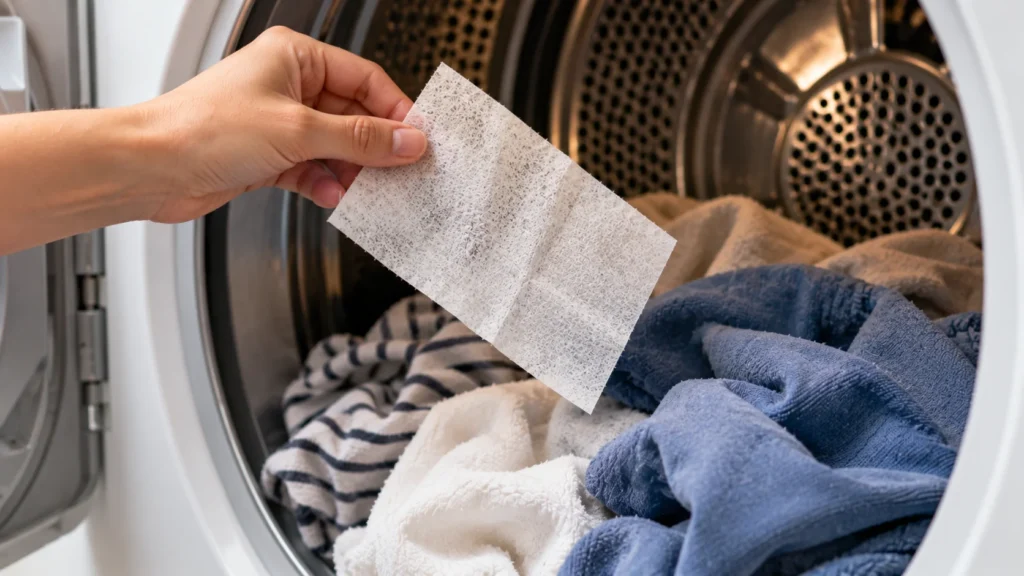
Dryer sheets have legitimate functions. They can:
- Reduce static cling.
- Add softness.
- Add fragrance.
- Reduce some wrinkles.
- Make certain everyday fabrics feel smoother.
The American Cleaning Institute describes fabric softeners and dryer sheets as products designed to soften fabrics, reduce static and wrinkles, and provide other conditioning benefits.
The problem arises when those benefits are used where they are unnecessary or incompatible with the fabric.
Are Dryer Sheets Good or Bad for Your Laundry?
They are load-dependent.
For ordinary cotton clothing, dryer sheets may provide the softness and static control that many users want. For towels, athleticwear, microfiber, water-repellent fabrics, and flame-resistant clothing, they can be a poor choice.
A simple way to decide is to ask:
Does this load benefit from softness and static reduction, or does it depend on absorbency, moisture-wicking, water repellency, or flame resistance?
If the latter applies, skip the dryer sheet.
How Bad Are Dryer Sheets Compared With Dryer Balls?
Dryer balls and dryer sheets solve somewhat different problems.
Dryer sheets use conditioning ingredients to soften fabrics and reduce static, while dryer balls physically move through the load and may help with some drying and wrinkle-related effects. The American Cleaning Institute notes that dryer balls may help with drying time and wrinkles but do not provide the same conditioning benefits as fabric softeners.
Dryer Sheets vs Dryer Balls
| Feature | Dryer Sheets | Dryer Balls |
| Static reduction | Yes | Can help, depending on conditions |
| Adds fragrance | Usually | No, unless fragrance is separately added |
| Conditions fibers | Yes | No equivalent coating |
| Reusable | Generally no | Yes |
| Single-use waste | Yes | Much less |
| Best for towels | Usually not ideal | Often preferred |
| Best for athleticwear | Usually avoid | Generally a better alternative |
| Suitable for fragrance-sensitive users | Fragranced versions may not be | Unscented versions available |
| Pet ingestion risk | Yes | Still keep away from pets |
| Requires lint-screen maintenance | Yes, residue may occur | Less product residue |
What Can You Use Instead of Dryer Sheets?
If you are concerned that dryer sheets are bad for your clothes, skin, dryer, pets, or the environment, you do not have to replace them with another chemical product.
Common alternatives include:
- Wool dryer balls
- Unscented dryer balls
- Reducing over-drying
- Removing clothes promptly
- Using an appropriate drying cycle
- Choosing fragrance-free laundry products
- Air-drying suitable clothing
- Reducing fabric-softener use
- Following fabric-specific care instructions
Dryer balls may be particularly useful if your main objective is reducing static or adding some physical separation between items without applying a softening coating.
How to Use Dryer Sheets More Safely
If you like dryer sheets and do not want to stop using them, you can reduce many common problems through appropriate use.
Whirlpool recommends adding the sheet to the top of the load before starting the dryer, following the package instructions for quantity, avoiding overloading, and removing the used sheet when the cycle ends.
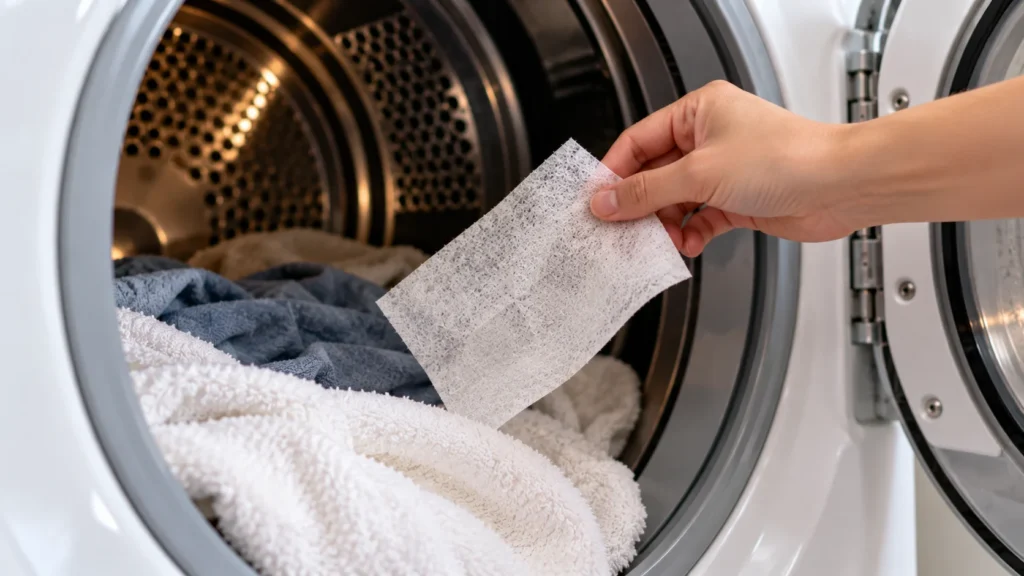
Follow these habits:
- Use only the number recommended on the package.
- Do not automatically use multiple sheets.
- Avoid overloading the dryer.
- Keep the load tumbling freely.
- Do not use them on incompatible fabrics.
- Remove the used sheet after drying.
- Clean the lint screen after every load.
- Wash the lint screen periodically if residue develops.
- Store unused sheets away from children and pets.
- Choose fragrance-free options if fragrance bothers you.
How to Know if You Should Stop Using Dryer Sheets
You may want to stop or reduce dryer-sheet use if you notice a consistent problem after using them.
Look for:
- Skin irritation after wearing freshly dried clothes.
- Eczema flares associated with fragranced laundry.
- Towels becoming less absorbent.
- Athleticwear performing poorly.
- Water-repellent clothing losing performance.
- Residue accumulating on the lint screen.
- Dryer drying times becoming longer.
- Pets attempting to chew laundry products.
- Strong fragrance that bothers household members.
- A desire to reduce disposable household waste.
Stopping dryer sheets is a simple experiment because they are not necessary for basic laundry cleaning.
Pros and Cons of Dryer Sheets
Advantages
- Reduce static cling.
- Add softness.
- Provide fragrance.
- Convenient to use.
- Require no dispenser.
- Work in both gas and electric dryers.
- Can make everyday cotton clothing feel smoother.
Whirlpool confirms that dryer sheets are designed to reduce static, soften laundry, and add scent.
Disadvantages
- Can reduce towel absorbency.
- Can affect athletic wear and microfiber performance.
- Can affect some water-repellent fabrics.
- May be inappropriate for flame-resistant garments.
- Can leave residue on lint screens.
- Fragrances can bother sensitive individuals.
- Unused sheets can be dangerous if pets ingest them.
- Create recurring single-use waste.
- Are unnecessary when you do not need their benefits.
The Bottom Line: Are Dryer Sheets Bad?
The most accurate answer to are dryer sheets bad?p is sometimes, depending on how and where you use them. They are not inherently harmful simply because they contain fragrance or fabric-softening ingredients. They are purpose-built laundry products that can work well on appropriate everyday fabrics.
The strongest reasons to avoid them are practical: towels need absorbency, athleticwear needs moisture-wicking performance, flame-resistant clothing has protective requirements, sensitive people may react to fragrance, and pets can be seriously harmed by chewing or swallowing dryer sheets.
Conclusion
So, are dryer sheets bad for you, your clothes, or your dryer? They are not universally bad, but they are not a one-size-fits-all laundry solution either. For ordinary clothing, they can reduce static and provide softness and fragrance when used according to the label. But their conditioning ingredients can interfere with towels, athleticwear, microfiber, water-repellent materials, and some flame-resistant clothing.
If you have sensitive skin, eczema, fragrance concerns, pets, or a preference for reducing disposable products, skipping dryer sheets may be worthwhile. Fragrance-free laundry products and reusable dryer balls are practical alternatives, while proper lint-screen maintenance can reduce dryer-performance problems when you continue using sheets. The best choice is not necessarily to eliminate every dryer sheet from every household; it is to use them selectively and according to the fabric, appliance, and needs of the people and pets in your home.
1. Are dryer sheets bad for you?
Not necessarily. Dryer sheets are formulated to soften fabrics, reduce static, and add fragrance, but some people are sensitive to fragrances or other ingredients. People with eczema or sensitive skin may prefer fragrance-free laundry products.
2. Are dryer sheets bad for your dryer?
They can contribute to residue buildup on the lint screen. Whirlpool recommends cleaning the lint screen after every load and washing it periodically when fabric-softener or dryer-sheet residue accumulates.
3. Are dryer sheets bad for towels?
They can be. The softening ingredients can reduce towel absorbency, which is why Whirlpool recommends avoiding dryer sheets on towels or using them only sparingly.
4. Are dryer sheets bad for dogs and cats?
Unused dryer sheets can be dangerous if pets chew or swallow them. The ASPCA says the cationic detergents found in many dryer sheets can cause serious oral and gastrointestinal injury, while the sheet itself can create an obstruction risk.
5. What can you use instead of dryer sheets?
Reusable dryer balls, especially unscented wool dryer balls, are a common alternative. You can also reduce static by choosing appropriate drying cycles, avoiding over-drying, and removing clothes promptly. Dryer balls do not provide exactly the same conditioning effect as dryer sheets, however.