
A clean swimming pool needs more than clear-looking water. Leaves, sand, dirt, algae, insects, and other debris can settle on the floor, collect along the walls, or gather around steps and corners. A pool vacuum helps remove this material so your pool is easier to maintain and more inviting to use.
Pool vacuums come in several designs, from simple manual vacuum heads connected to a hose to cordless handheld cleaners and robotic machines that move around the pool automatically. Some connect to a pool’s existing filtration system, while others collect debris in an onboard filter or bag. The best choice depends on your pool’s size, shape, surface, plumbing, and the type of debris you regularly encounter.
For example, an above-ground pool with a small amount of settled dirt may only need a lightweight handheld pool vacuum. A large inground pool with frequent leaf fall may benefit from a robotic pool vacuum or a suction-side cleaner compatible with its circulation system. Price matters, but so do cleaning coverage, filter maintenance, battery life, and replacement-part availability.
This guide explains the main types of pool vacuum cleaners, how to choose one for your pool, which brands and product families to compare, and how to vacuum a pool effectively.
Main Types of Pool Vacuum Cleaners
Pool vacuum cleaners differ in how they collect debris, where they draw power, and how much work they require from the owner. Understanding these differences helps you avoid paying for features your pool does not need.
1. Robotic Pool Vacuum
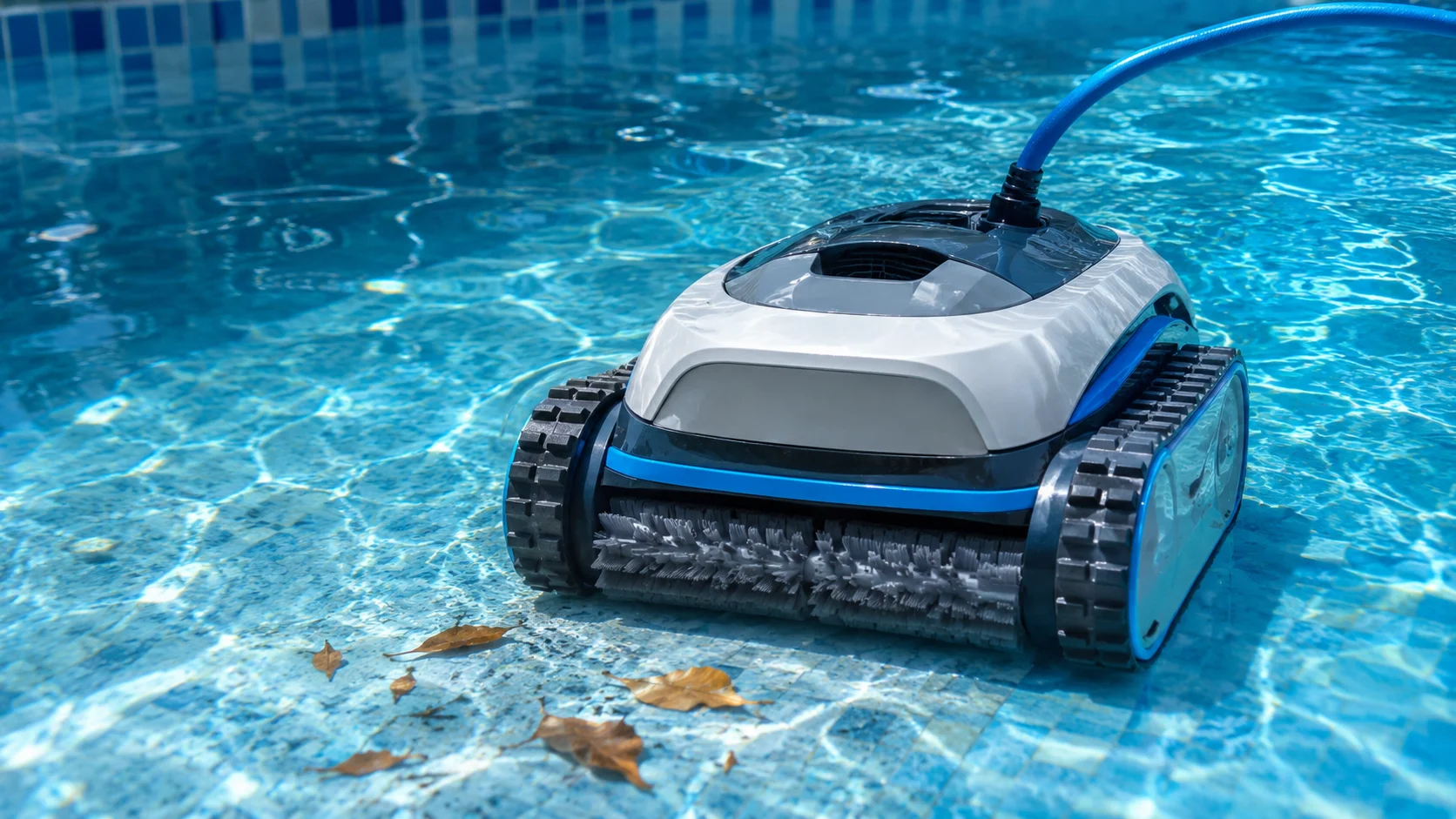
A robotic pool vacuum moves through the pool using its own motors, brushes, and filtration system. Many models operate independently of the pool’s main circulation pump, collecting dirt in a filter basket or cartridge that you remove and rinse after cleaning.
A robot pool vacuum can reduce the time you spend manually cleaning the floor. Some models also climb walls or clean near the waterline, but coverage varies by model. Check pool dimensions, surface compatibility, filter type, cable management, and whether the robot is designed for an above-ground or inground pool.
2. Automatic Pool Vacuum
An automatic pool vacuum is a broad category that includes robotic cleaners and cleaners that use the pool’s circulation system. These devices move around the pool with varying degrees of independence, helping collect debris without requiring you to guide a vacuum head continuously.
Before choosing one, identify how it connects to your pool. A suction-side cleaner connects to a designated suction line or skimmer, while other automatic systems use a dedicated pressure line or a separate robotic motor. Compatibility with your pump, filter, and plumbing is essential.
3. Cordless Pool Vacuum
A cordless pool vacuum runs on a rechargeable battery and avoids the need for a long power cable during cleaning. This can be convenient for above-ground pools, spas, steps, shallow areas, and smaller pools where portability matters.
Battery capacity, runtime, charging time, suction, and debris capacity differ between models. Some cordless products are handheld units that you guide manually; others are autonomous robotic pool vacuums. Confirm which design you are buying because the two are intended for different cleaning routines.
4. Handheld Pool Vacuum
A handheld pool vacuum is a portable option for spot-cleaning steps, corners, small pools, and areas where leaves or sand gather. Depending on its design, it may use a rechargeable battery, a power connection, or a specific filtration arrangement.
This type can be easier to store than a full-size robot. However, you generally need to guide it over the areas you want to clean, and the small debris container may require frequent emptying if the pool has a heavy leaf load.
5. Manual Pool Vacuum
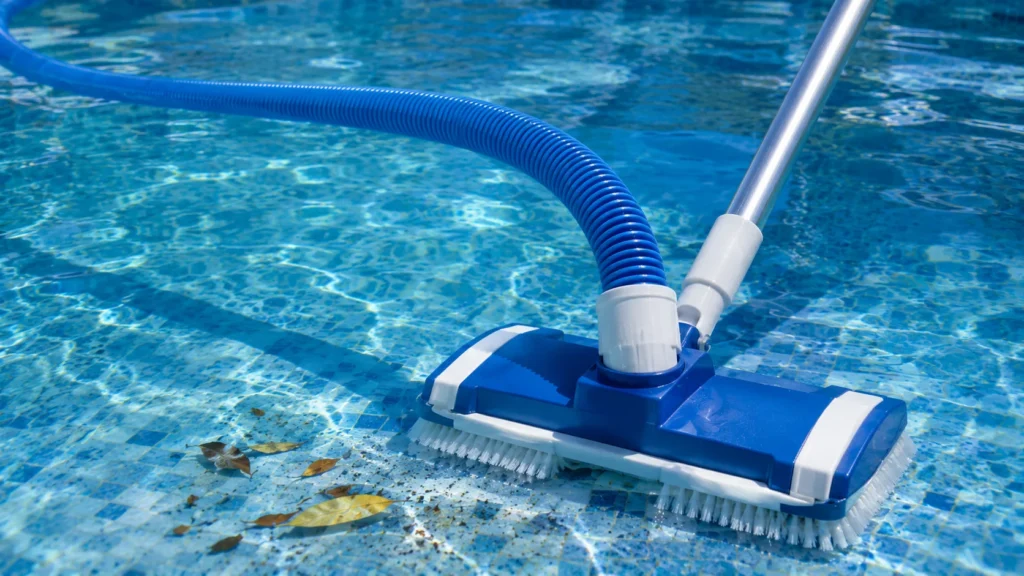
A manual pool vacuum usually consists of a vacuum head attached to a telescopic pole and connected through a hose to a compatible pool filtration system. You move the head across the floor, directing dirt toward the intake while the system draws debris away.
Manual cleaning gives you direct control over corners and specific dirty spots, and the equipment can be relatively straightforward. The trade-off is time and effort: larger pools take longer to vacuum, and correct hose setup and water-flow management are important.
6. Electric Pool Vacuum
An electric pool vacuum may be a powered handheld cleaner or a robotic model, depending on the product. Some use a rechargeable battery, while others have a corded power unit that must be installed and operated according to the manufacturer’s safety requirements.
Check how the device is intended to be used around water, including the location of the power supply, cable handling, and approved operating conditions. Never use a general household vacuum in a swimming pool; choose equipment specifically designed for pool cleaning.
Best Pool Vacuum for Above-Ground and Inground Pools
Your pool’s construction affects which cleaners are suitable. Above-ground pools often have vinyl liners and simpler shapes, while inground pools may have plaster, tile, pebble, or fiberglass surfaces, sloped floors, steps, and deeper sections. A cleaner must be compatible with both the pool’s surface and its dimensions.
Best Above-Ground Pool Vacuum
The best above-ground pool vacuum should be easy to lift in and out, suitable for your liner, and capable of collecting the debris your pool typically receives. A small handheld model may be enough for occasional sand and leaf cleanup, while a robotic cleaner can reduce manual work on the pool floor.
Check the manufacturer’s stated pool size and approved surface types. Also consider the weight of the unit when wet, how easily the filter is removed, and whether the cleaner can handle the shape and depth of your pool.
Best Pool Vacuum for an Inground Pool
The best pool vacuum for an inground pool depends on pool length, depth, surface material, and how much debris falls into it. A robotic pool cleaner can be attractive for frequent maintenance, especially if it offers the floor and wall coverage you need. A compatible suction-side cleaner may also suit a pool with an appropriate plumbing setup.
Do not assume every robotic model cleans every surface or reaches every step. Check the maximum pool dimensions, cleaning coverage, brush type, and filter capabilities before buying.
Pool Vacuum for an Intex or Other Above-Ground Pool
If you have an Intex pool or another temporary or soft-sided setup, confirm that the vacuum is suitable for the pool’s liner and connection system. Some cleaners require particular fittings, a minimum flow rate, or a compatible filtration pump.
A handheld or cordless pool vacuum may be convenient for smaller pools, but the correct choice depends on the amount of debris and how often you clean. Review the pool and vacuum manuals together before connecting any equipment.
Jump into Other Related Article
- Mold on Mattress | How to Identify It, Remove It, and Prevent It From Returning
- Best Tub Cleaner | 7 Effective Options for Soap Scum, Hard Water, and Tough Stains
- How to Clean a Shower Head With Vinegar | A Step-by-Step Guide
Pool Vacuum Brands and Models to Compare
The following brands and product families provide useful starting points for research. Features can vary between versions and regions, so verify the exact model rather than assuming every product from a brand has the same capabilities.
Dolphin Pool Vacuum
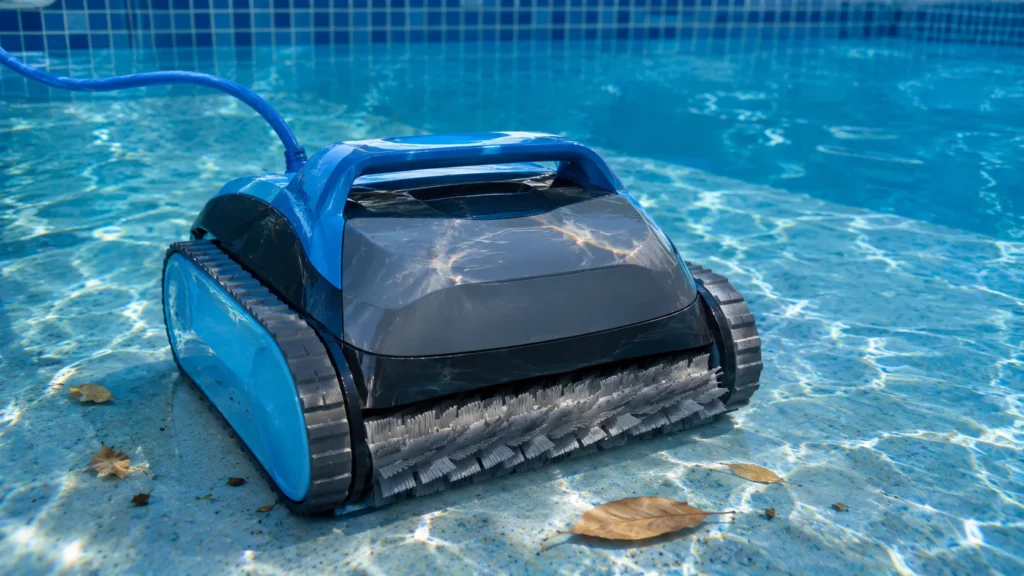
A Dolphin pool vacuum is a robotic cleaner from Maytronics. The Dolphin Nautilus CC Plus, for example, is designed for inground pools and offers floor and wall cleaning, a top-access filter, and a stated two-hour cleaning cycle. The Wi-Fi version adds app-based control.
Compare the pool length rating, filter access, weight, and whether the model includes the smart features you want. If you are considering a Dolphin Nautilus CC Plus robotic pool vacuum cleaner, check the exact version because specifications and included features may differ.
Aiper Pool Vacuum
An Aiper pool vacuum may be worth comparing if cordless operation is a priority. The brand offers cordless robotic pool cleaners, but cleaning coverage and suitability depend on the individual model.
For example, if you are considering an Aiper Scuba N1 cordless robotic pool vacuum, confirm its current specifications, supported pool size, floor or wall coverage, battery runtime, and filtration design on the official product listing before buying.
Ryobi Pool Vacuum
A Ryobi pool vacuum may appeal to owners looking for a portable cleaner for targeted maintenance. Check whether the exact product is a pool-specific handheld vacuum, what type of debris it can collect, and how its filter and battery system work.
Do not confuse a pool vacuum with a wet/dry shop vacuum or an outdoor leaf vacuum. Pool-cleaning equipment must be designed for its intended underwater use and compatible with the pool’s setup.
Polaris Pool Vacuum
A Polaris pool vacuum is another product family to research, particularly if you are considering an automatic cleaner for an inground pool. Polaris offers different cleaner designs, so determine whether the model uses suction, pressure, or robotic operation before comparing it with alternatives.
For a pressure-side or suction-side model, verify the required plumbing connections and any additional equipment. A cleaner that is well suited to one pool system may not work correctly with another.
Hayward Pool Vacuum
A Hayward pool vacuum can be a useful option to compare when you want a cleaner compatible with a specific pool system. Hayward’s pool-cleaner range includes different designs, so check the manufacturer’s current product information for connection requirements, pool compatibility, and cleaning coverage.
Before selecting a model, review the required pump flow, hose or cable setup, maintenance instructions, and availability of replacement parts. Installation and compatibility matter as much as the brand name.
Intex and Other Pool Vacuum Options
An Intex pool vacuum may suit an above-ground pool, depending on the model and filtration setup. You can also compare products from Viper, Hammerhead, Pool Blaster, and JED Pool Tools if they are available in your market.
For every product, verify that it is a genuine pool cleaner, supports your pool type, and is intended for the debris you need to remove. A product name alone is not enough to establish that it is the right fit.
Pool Vacuum Hoses, Heads, and Essential Accessories
If you use a manual or suction-side pool cleaner, the hose and vacuum head are important parts of the setup. The wrong diameter, an incompatible fitting, or a damaged hose can reduce suction and make cleaning frustrating.
How to Choose a Pool Vacuum Hose
A pool vacuum hose carries debris-laden water from the vacuum head to the appropriate suction connection. Choose a hose with the correct length, diameter, and fittings for your equipment. A hose that is too short may restrict movement, while an unnecessarily long hose can be difficult to manage and may affect performance.
Inspect the hose for cracks, loose connections, leaks, and trapped air. Follow the equipment instructions for priming and connecting it, and never allow the pump to run dry while troubleshooting a vacuum connection.
Choosing a Pool Vacuum Head
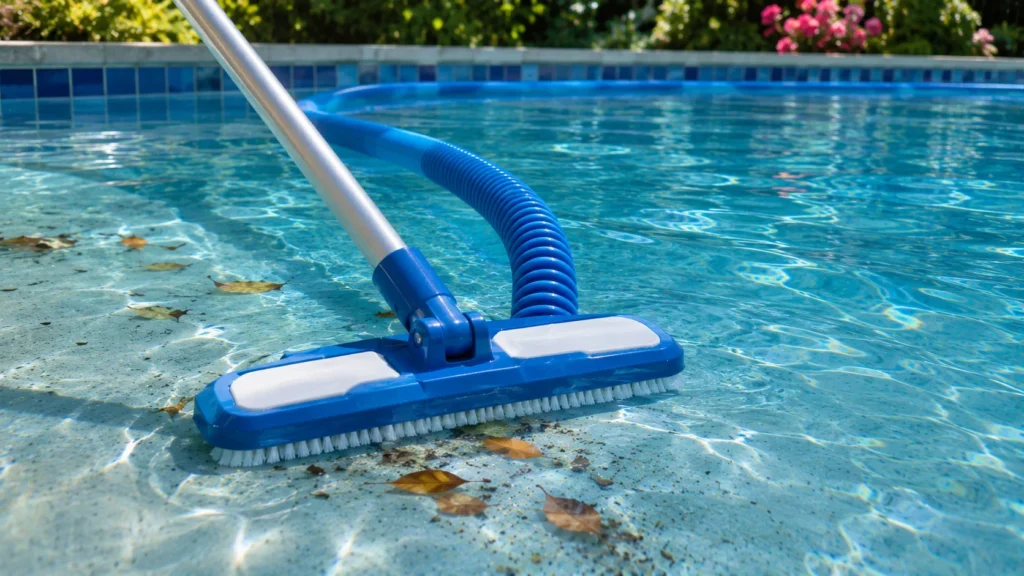
A pool vacuum head attaches to a telescopic pole and connects to the vacuum hose. Its design affects how smoothly it moves across the pool floor and how well it handles different surfaces.
Look for a head that suits your pool finish, whether it is a vinyl liner, fiberglass, plaster, or tile. Wheels, brushes, and suction openings vary, so check compatibility rather than assuming one head will work equally well on every surface.
Pool Vacuum Cleaner vs. Pool Robot Vacuum
A conventional pool vacuum often requires manual guidance or connection to the pool’s circulation system. A pool robot vacuum typically moves through the water under its own power and collects debris in an onboard filter.
Robotic models can reduce hands-on cleaning, but they usually cost more initially than a basic manual setup. Compare the total cost, coverage, filter maintenance, and expected cleaning workload before deciding.
How to Vacuum a Pool Properly
Knowing how to vacuum a pool can improve cleaning results regardless of whether you use a manual vacuum or a robotic cleaner. Always follow the pool and equipment manuals, since the correct setup depends on the filtration system and cleaner type.
Steps for Vacuuming a Pool Manually
- Remove large floating debris. Use a pool skimmer net to collect leaves and insects from the surface before vacuuming.
- Assemble the equipment. Attach the vacuum head to the telescopic pole and connect the compatible hose.
- Prepare the hose. Follow the manufacturer’s priming procedure to remove trapped air before connecting it to the designated suction point.
- Check the filtration setup. Confirm that the pump, valves, and filter are configured according to the pool equipment instructions.
- Lower the vacuum head gently. Avoid disturbing settled debris before you begin cleaning.
- Move in slow, overlapping passes. Work methodically across the pool floor instead of making quick, sweeping movements.
- Clean corners and steps carefully. These areas may need extra attention or a suitable accessory.
- Monitor suction. If the vacuum stops collecting debris effectively, check for a full basket, blocked hose, or other issue using the manual’s troubleshooting guidance.
- Finish the cleanup. Disconnect the equipment as instructed, clean the vacuum head and filter components, and restore the normal filtration settings.
How to Use a Robotic Pool Vacuum
A robotic pool vacuum generally requires less hands-on work, but preparation and maintenance still matter. Remove large objects that could obstruct the robot, check the filter, and position the unit according to the instructions.
Run the recommended cleaning cycle and inspect the pool afterward for missed spots. Remove the robot as directed, rinse its filter, and store it appropriately. Do not leave a cleaner submerged longer than its manufacturer recommends.
15 Tips for Getting Better Results From a Pool Vacuum
- Match the cleaner to your pool. Check dimensions, depth, surface, and pool construction before buying.
- Identify your debris. Sand, fine dust, leaves, and larger debris may require different filter or intake designs.
- Check floor and wall coverage. Do not assume a floor-only cleaner will climb walls or clean the waterline.
- Read the pump requirements. Suction-side models may require a particular flow rate or compatible plumbing.
- Inspect hoses regularly. Cracks and loose fittings can reduce suction and interrupt cleaning.
- Keep the filter clean. A clogged filter can reduce collection performance.
- Empty debris containers promptly. Follow the manufacturer’s instructions to avoid overfilling.
- Brush stubborn areas first. Use a pool-safe brush when debris adheres to the surface.
- Move slowly when vacuuming manually. This helps prevent settled dirt from being stirred back into the water.
- Remove large leaves with a net. This can reduce the chance of blocking a vacuum intake.
- Check surface compatibility. Use brushes and vacuum heads approved for your pool finish.
- Maintain the pool pump and filter. A vacuum cannot compensate for a poorly maintained filtration system.
- Compare battery runtime. For cordless models, ensure the operating time suits your pool and cleaning routine.
- Consider replacement parts. Filters, brushes, hoses, and other wear parts should be available for your model.
- Follow electrical safety instructions. Use only pool-specific equipment and the manufacturer’s approved power arrangement.
Conclusion
A suitable pool vacuum makes routine swimming pool maintenance more manageable by removing dirt, sand, leaves, and other settled debris. The right choice depends on whether you have an above-ground or inground pool, how much debris enters the water, and how much time you want to spend cleaning.
A robotic pool vacuum can offer convenient automated cleaning, while cordless and handheld models are useful for targeted maintenance. Manual vacuum systems remain a practical choice when you want direct control and have compatible pool equipment.
Before making a purchase, compare the exact model’s cleaning coverage, surface compatibility, filtration system, maintenance needs, and replacement-part availability. Choose a cleaner that matches your pool rather than simply selecting the most expensive or feature-rich option. With the right equipment and a consistent maintenance routine, keeping your pool clean can become a simpler part of pool ownership.
What is the best pool vacuum?
The best pool vacuum depends on your pool size, surface, debris, and budget. A robotic cleaner can reduce manual effort, a cordless handheld vacuum is useful for targeted cleanup, and a manual vacuum can be a practical lower-cost option.
What is the best pool vacuum for an above-ground pool?
Look for a lightweight cleaner compatible with your liner and pool dimensions. Handheld and cordless models can suit smaller pools, while some robotic cleaners are designed specifically for above-ground pools. Check the manufacturer’s compatibility guidance.
What is the best pool vacuum for an inground pool?
For an inground pool, compare robotic, suction-side, and pressure-side cleaners. Consider floor and wall coverage, pool depth, surface material, plumbing compatibility, and the debris you regularly collect.
Are robotic pool vacuums worth it?
They may be worth the investment if you clean your pool frequently and want to reduce manual work. However, price, maintenance, and coverage vary. Compare the exact model’s capabilities with your pool’s needs before purchasing.
How often should I vacuum my swimming pool?
The ideal frequency depends on pool use, surrounding trees, weather, and debris levels. Some pools need cleaning several times a week during heavy leaf fall, while others require less frequent vacuuming. Check the pool regularly and clean when debris begins to accumulate.
Can I use a pool vacuum on an above-ground pool?
Yes, provided the cleaner is specifically compatible with your pool’s construction and liner. Check the manufacturer’s instructions for supported surfaces, fittings, and pool dimensions.
What is the difference between a manual and automatic pool vacuum?
A manual pool vacuum requires you to guide the vacuum head, while an automatic cleaner moves around the pool with varying levels of independence. Automatic options include robotic, suction-side, and pressure-side designs.
Why is my pool vacuum losing suction?
Common causes include a clogged filter, blocked intake, damaged hose, loose connection, or an issue with the pool’s circulation system. Turn off the equipment as directed before inspecting it, and consult the manual if the problem continues.
Do cordless pool vacuums work well?
They can work well for appropriate cleaning tasks, particularly spot cleaning and smaller pools. Performance depends on battery life, suction, filter design, and debris capacity. Confirm the model’s runtime and intended use before buying.
What does a pool vacuum head do?
A pool vacuum head collects dirt from the pool floor as you guide it with a pole. It connects to a compatible hose and may have wheels or brushes designed for particular pool surfaces.
Can a pool vacuum remove algae?
A pool vacuum can collect some settled algae, but it does not solve the underlying water-quality problem. Algae may require appropriate brushing, filtration, and water treatment. Follow reliable pool-care guidance and test the water rather than relying on vacuuming alone.
Is a pool vacuum the same as a pool cleaner?
The terms are often used interchangeably, but “pool cleaner” is broader. It can refer to robotic, suction-side, and pressure-side machines, while a pool vacuum may also mean a manual head-and-hose setup.