
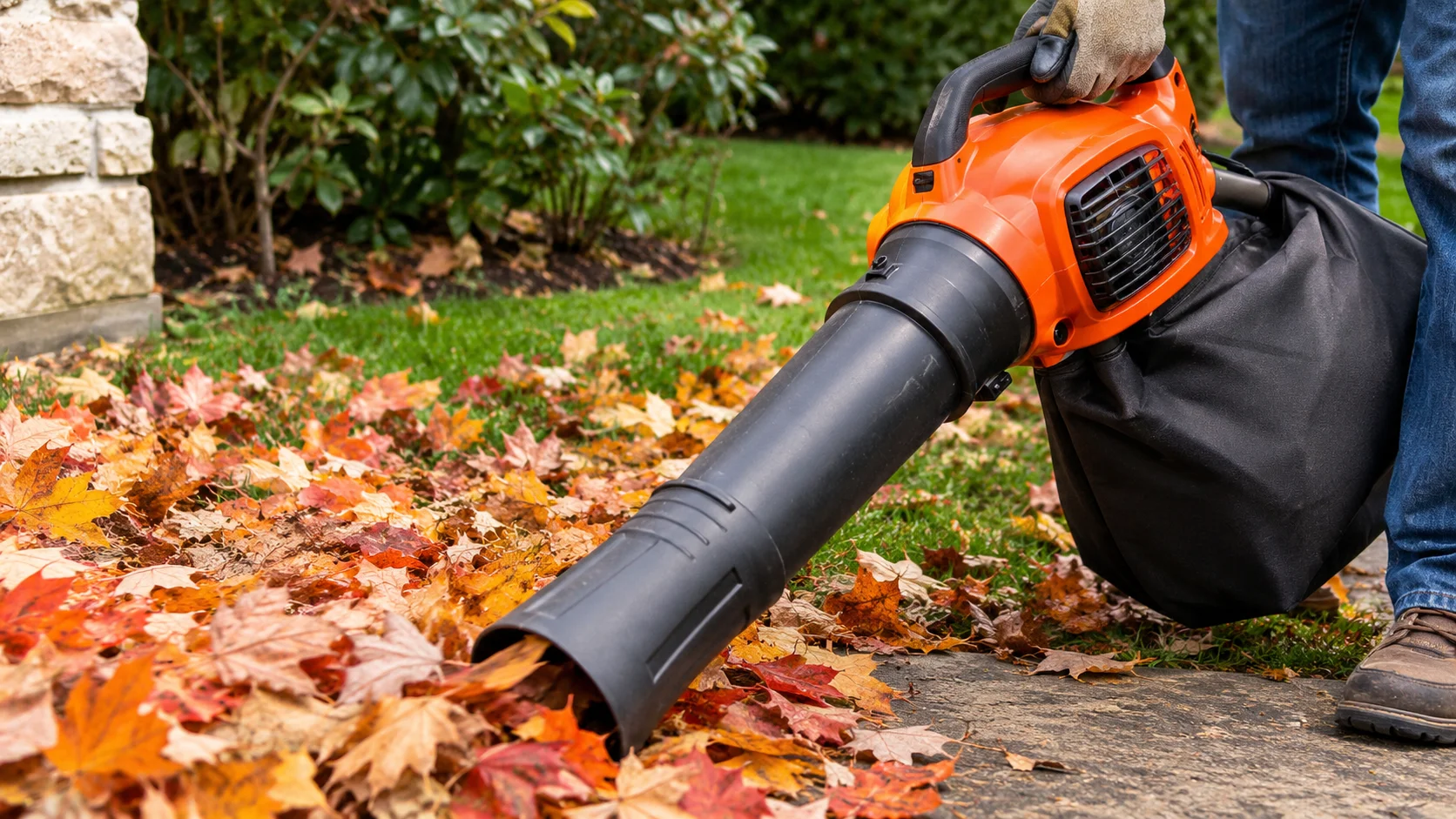
Fallen leaves can quickly cover lawns, driveways, garden beds, patios, and walkways, especially during autumn. A rake works well for small areas, but clearing a large yard by hand can take hours. A leaf vacuum offers a faster way to collect dry leaves and other lightweight yard debris, helping you keep outdoor spaces neat with less manual effort.
Unlike a standard leaf blower, which pushes leaves into piles, a leaf vacuum draws leaves into a collection bag, container, or larger debris system. Many models also function as a leaf blower and vacuum, while leaf vacuum mulchers chop collected leaves into smaller pieces. This can reduce the volume of debris and make composting or disposal easier.
The best choice depends on your property size, the number of trees, the amount of debris, your budget, and whether you prefer a cordless, electric, gas-powered, or walk-behind machine. Some homeowners need a lightweight cordless leaf vacuum for occasional cleanup, while landscapers and property managers may need a commercial leaf vacuum designed for frequent, demanding work.
This guide explains the main types of leaf vacuums, the features worth comparing, popular brands to investigate, rental options, and practical tips for choosing a machine that suits your yard.
What Is a Leaf Vacuum, and How Does It Work?
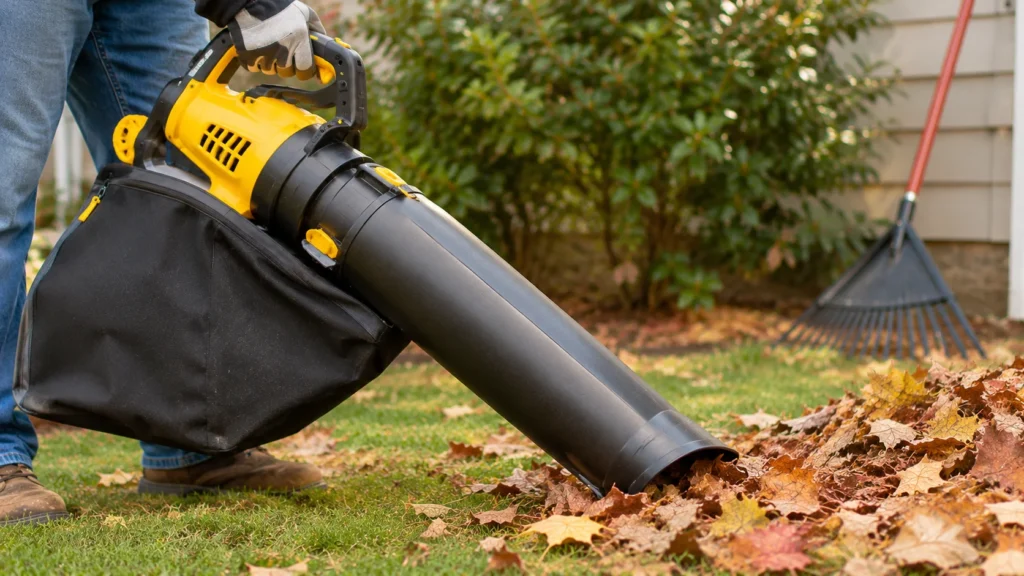
A leaf vacuum is an outdoor cleanup machine that uses suction to pull leaves and small, lightweight debris into a collection system. Depending on the design, it may resemble a handheld blower, a wheeled garden machine, a backpack tool, or a large vacuum attached to a riding mower.
Some models are designed mainly for residential yards, while others handle extensive grounds and professional landscaping jobs. Many combination machines include a mulching function that cuts leaves into smaller pieces before they enter the collection bag. For example, the WORX 40V blower-vacuum-mulcher combines three functions and advertises a 12:1 mulching ratio; actual results depend on leaf type and operating conditions.
Leaf Vacuum vs. Leaf Blower
A leaf blower pushes leaves across the ground using moving air. It is useful when you want to gather leaves into a pile or move them away from a driveway, fence, or garden border. A leaf vacuum pulls leaves into a bag or container, which is convenient when you want to collect debris rather than leave it in piles.
A leaf blower and vacuum combination gives you both options. You can blow leaves away from tight corners, gather them into a manageable area, and then switch to vacuum mode for collection. However, vacuum mode usually works best on suitable dry leaves and lightweight debris rather than large sticks, stones, or heavy wet material.
What Does a Leaf Vacuum Mulcher Do?
A leaf mulcher vacuum shreds leaves as it collects them. Smaller pieces take up less space in a bag or container and can be easier to use in compost or as part of an appropriate garden-mulching routine.
Mulching performance varies by machine. Check the manufacturer’s stated mulching ratio, impeller design, bag capacity, and instructions about acceptable debris. A high advertised ratio is useful for comparison, but it does not guarantee the same results with every type of leaf.
Types of Leaf Vacuums to Consider
Choosing the right design is more important than selecting a machine simply because it has a familiar brand name. Consider the size of your property, how far you need to travel from an outlet, how frequently you collect leaves, and how much weight you can comfortably manage.
1. Cordless Leaf Vacuum
A cordless leaf vacuum runs on a rechargeable battery, so there is no extension cord to manage while moving around trees, fences, garden beds, or outdoor furniture. This makes it convenient for small and medium-sized yards where freedom of movement matters.
Battery-powered models vary in suction, runtime, weight, and battery compatibility. If you already own tools from a brand’s battery platform, a compatible model may offer better value. For larger properties or extended cleanup sessions, check whether a spare battery is available and how long charging takes.
2. Electric Leaf Vacuum
An electric leaf vacuum with a power cord can be suitable for patios, small lawns, and areas near an outdoor electrical outlet. Corded machines do not require battery charging or gasoline, and they can be a practical choice for homeowners who clean leaves in shorter sessions.
The main limitation is reach. You must manage the extension cord carefully and keep it away from the intake, cutting components, and wet areas. Always use an outdoor-rated cord and follow the tool’s electrical safety instructions.
3. Gas-Powered Leaf Vacuum
A gas-powered leaf vacuum may suit demanding work where long operating periods and freedom from a charging cable are priorities. Gas-powered equipment is more common among some professional and large-property users, particularly in walk-behind and commercial configurations.
Before buying, account for fuel, engine maintenance, starting procedures, noise, exhaust, storage, and local restrictions. A gas machine may be unnecessary for a small suburban lawn, so compare its real workload advantage with the extra upkeep.
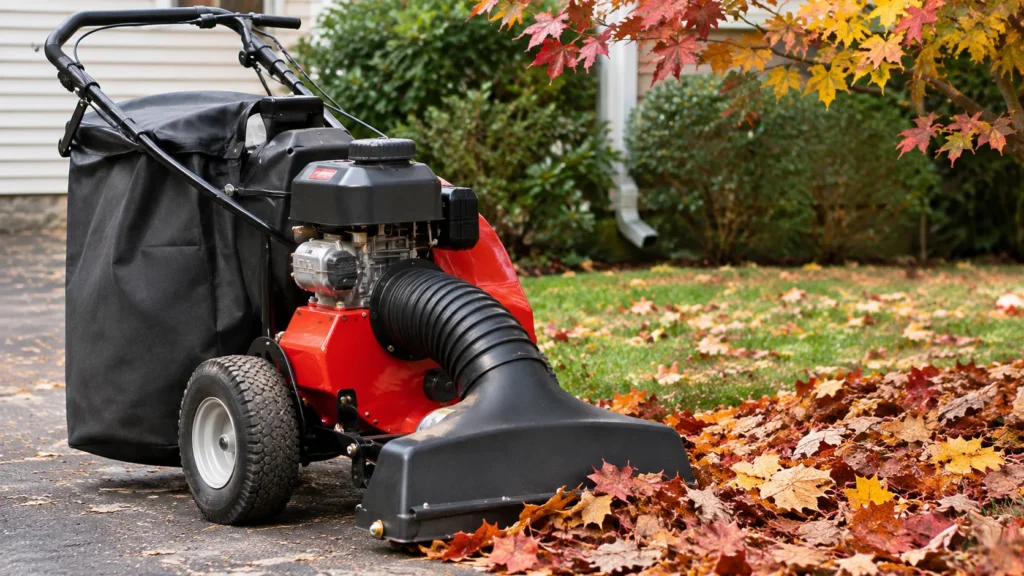
4. Walk-Behind Leaf Vacuum
A walk-behind leaf vacuum has wheels and a larger collection system than most handheld machines. It is designed to cover broad areas such as large lawns, parks, and extensive landscaped properties without requiring the operator to carry the entire tool.
Some models are self-propelled, while others must be pushed. Compare working width, bag or container capacity, turning ease, weight, and storage requirements. DR Power Equipment, for example, offers both walk-behind and tow-behind leaf and lawn vacuum categories.
5. Tow-Behind Leaf Vacuum
A tow-behind leaf vacuum attaches to a compatible riding mower or lawn tractor and collects debris across large areas. It can be useful on extensive lawns, estates, and properties with many mature trees, particularly when a handheld tool would require too many collection trips.
These machines require enough room to turn, suitable towing equipment, and a place to store the unit. Check tractor compatibility, hitch requirements, capacity, unloading method, and the manufacturer’s operating guidance before purchasing. DR Power Equipment lists tow-behind models with different capacities and engine specifications.
6. Backpack and Commercial Leaf Vacuums
A backpack leaf vacuum or professional vacuum system may be worth investigating for landscapers and property maintenance teams who need to move across extensive grounds. Commercial equipment is built around a different workload from occasional home cleanup, so durability, service support, operator comfort, and replacement parts matter.
Some professional jobs are better served by a high-capacity wheeled vacuum than by a backpack model. Choose the format according to the surfaces, debris volume, and hours of use—not just the label “commercial.”
How to Choose the Best Leaf Vacuum for Your Yard
The best leaf vacuum is the one that collects your typical debris efficiently without creating extra work. A lightweight model may be perfect for a patio but frustrating on a large lawn covered in thick leaves. A commercial machine may clear a large property quickly but be expensive and cumbersome for occasional use.
Match the Machine to Your Property Size
For a small yard, look at a lightweight electric or cordless leaf vacuum with a manageable collection bag. For a medium-sized property, a blower-vacuum-mulcher can provide flexibility across lawns, walkways, and landscaped areas.
For extensive grounds, compare walk-behind, tow-behind, or commercial equipment. If your property has narrow passages, steps, raised beds, or many obstacles, maneuverability may matter more than collection capacity alone.
Compare Suction, Airflow, and Mulching
Read the manufacturer’s specifications and check independent tests when available. A machine’s performance depends on more than a single number: suction, airflow, intake design, impeller construction, debris type, and bag design all influence collection.
If mulching is a priority, consider how the machine handles the leaves that fall in your yard. Broad dry leaves can behave differently from damp, matted leaves or pine needles. Look for practical testing that resembles your conditions instead of relying only on promotional claims.
Consider Bag Capacity and Emptying
A small collection bag is easier to carry but fills quickly. A larger bag reduces interruptions, although it may become heavy when full. If you collect leaves across a large lawn, check how easily the bag detaches, how dust is managed, and whether emptying requires lifting a heavy container.
For a large-property vacuum, investigate the unloading mechanism and storage footprint. Some tow-behind units are designed with larger collection capacities and specific unloading features, so compare those details directly.
Think About Noise, Weight, and Maintenance
A machine that is powerful but uncomfortable may be difficult to use for an entire cleanup session. Check the operating weight, balance, handle design, vibration, and hearing-protection guidance. If you live close to neighbors, consider operating noise and any local rules governing outdoor power equipment.
Maintenance also affects long-term value. Find out whether the model needs routine air-filter cleaning, blade or impeller inspection, battery care, bag replacement, or engine servicing. A reliable local service network can be especially important for professional equipment.
Jump into Other Related Article
- Best Deck Stain and Sealer | Complete Guide for Pressure Treated, Cedar, Old, and Full Sun Decks
- How to Clean Floor Tile Grout Without Scrubbing | Easy, Low-Effort Methods
- How to Clean a Shower Head With Vinegar | A Step-by-Step Guide
Leaf Vacuum Brands and Models Worth Comparing
The right product depends on current availability, budget, and the specifications of the exact model. The following brands and product families are useful starting points for research, not a claim that every model is best for every buyer.
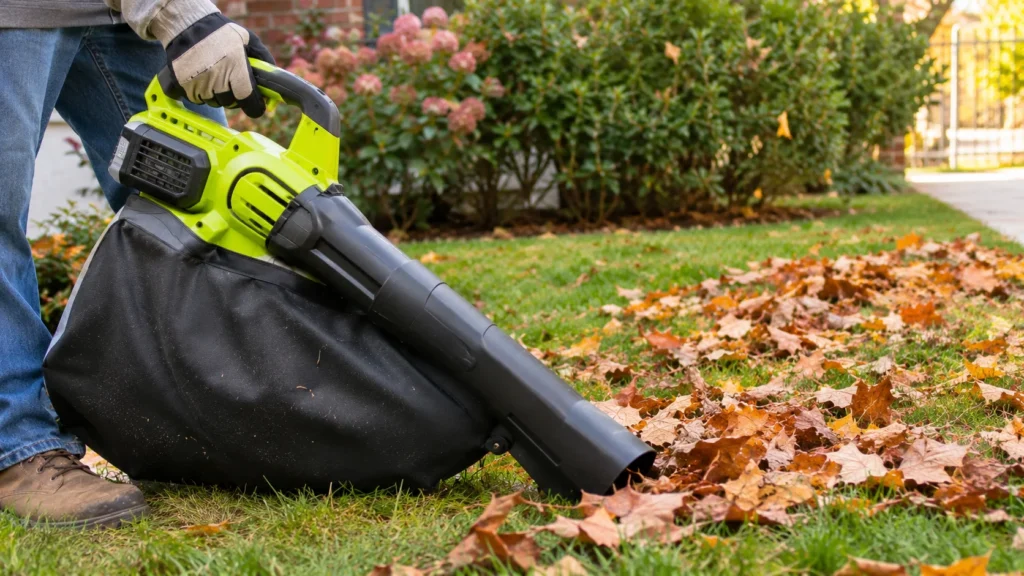
EGO Leaf Vacuum and Mulcher
If you are researching an EGO leaf vacuum, check the brand’s current combination tools and determine whether the exact model supports vacuum collection as well as blowing. Battery platform compatibility, runtime, weight, and collection design should be part of the comparison.
Search specifically for an EGO leaf vacuum mulcher if shredding leaves is important. Also, the question “does EGO make a leaf vacuum?” should be answered by checking current official product listings: product ranges change, and a blower model is not necessarily a vacuum model.
Ryobi Leaf Vacuum
A Ryobi leaf vacuum may be worth comparing if you already own compatible Ryobi outdoor tools. Look closely at the voltage platform, included battery and charger, bag capacity, and whether the model is a dedicated vacuum or a blower-vacuum combination.
The phrase Ryobi leaf vacuum mulcher can help narrow a search to machines that collect and shred leaves. Verify the exact model’s features rather than assuming every Ryobi leaf blower includes vacuum mode.
WORX Leaf Vacuum
A WORX leaf vacuum is worth investigating if you want a combination tool. The WORX WG583, for example, is advertised as a cordless 3-in-1 blower, vacuum, and mulcher. Its published specifications include a 40V battery system, a one-bushel collection bag, and a stated 12:1 mulching ratio.
Check the current kit contents carefully. Some listings sell the tool without a battery or charger, which can change the total purchase cost.
Toro Leaf Vacuum
A Toro leaf vacuum or Toro leaf blower vacuum may be worth comparing if you prefer a corded combination tool. Good Housekeeping’s recent leaf-vacuum roundup named the Toro Ultra Electric Blower Vac its overall choice in its testing, while also discussing other categories and models. That is one publication’s assessment, not a universal ranking for every yard.
Before buying, check the current model number, power requirements, collection bag, mulching design, warranty, and availability of replacement parts.
Billy Goat Leaf Vacuum
A Billy Goat leaf vacuum is a relevant option to investigate for larger grounds and professional debris collection. Its product family includes leaf and litter vacuums, and the company provides model-specific operating and maintenance resources.
Compare the specific unit’s capacity, maneuverability, intended workload, maintenance needs, and local servicing options. Commercial equipment is not automatically the most economical choice for a residential lawn.
DR Leaf and Lawn Vacuum
A DR leaf and lawn vacuum is worth researching if you need a walk-behind or tow-behind solution. The company’s product range includes several sizes and capacities, from smaller tow-behind units to larger models intended for heavier cleanup.
Make sure the selected model is compatible with your property and towing vehicle, if applicable. Check its storage dimensions, unloading process, maintenance schedule, and current price before deciding.
Other Brands to Compare
Depending on your needs and local availability, you may also research Stihl leaf vacuum, Milwaukee leaf vacuum, Craftsman leaf vacuum, Greenworks leaf vacuum, DeWalt leaf vacuum, Echo leaf vacuum, Cuisinart leaf vacuum, and Cyclone leaf vacuum. Product lines differ, and not every brand offers a dedicated vacuum in every market.
For each name, confirm that a current official product listing exists for the exact function you need. A brand that makes leaf blowers may not offer a comparable leaf vacuum or mulcher in your region.
Specialized Leaf Vacuums for Different Jobs
Not every cleanup task calls for a standard handheld machine. Some yards have thick leaf cover, others have narrow landscaping beds, and some properties need equipment that can collect debris across extensive lawn areas.
Leaf Vacuum With a Bag
A leaf vacuum with a bag is useful when you want to collect leaves for disposal or composting. Look for a bag that attaches securely, allows airflow, and can be removed without spilling its contents. A zipper or wide opening may make emptying easier, particularly when the bag fills with fine debris.
If you plan to work for a long time, balance capacity against weight. A very large bag can reduce stops but become awkward to carry when full.
Lawn Leaf Vacuum
A lawn leaf vacuum is designed to collect leaves from grassy areas and landscaped ground. Walk-behind and tow-behind machines may be practical for larger lawns, while handheld models suit smaller areas and targeted cleanup.
Avoid assuming that every machine can handle wet leaves, pine cones, acorns, or twigs. Follow the manufacturer’s guidance on suitable debris, and remove large branches and hard objects before vacuuming.
Pool Leaf Vacuum
A pool leaf vacuum is a different category from a lawn leaf vacuum. Pool-cleaning devices are designed for use in water and may connect to a pool’s filtration system or use their own collection mechanism.
Do not use an outdoor lawn vacuum to collect leaves from pool water. Select equipment specifically designed for your pool type and follow the pool manufacturer’s safety and cleaning instructions.
Tow-Behind and Pull-Behind Leaf Vacuums
The terms tow-behind leaf vacuum and pull-behind leaf vacuum generally refer to equipment pulled by a compatible riding mower, lawn tractor, or other approved towing vehicle. These machines can collect large volumes of leaves over broad areas.
Before selecting one, verify the hitch, towing requirements, terrain suitability, turning clearance, and collection capacity. A large unit may be inefficient on a small property with narrow gates or tight garden paths.
Should You Rent or Buy a Leaf Vacuum?
The decision depends on how frequently you need the machine and the scale of the cleanup. A homeowner who clears leaves once each autumn may not need to purchase expensive equipment, while someone with several large trees may benefit from owning a suitable model.
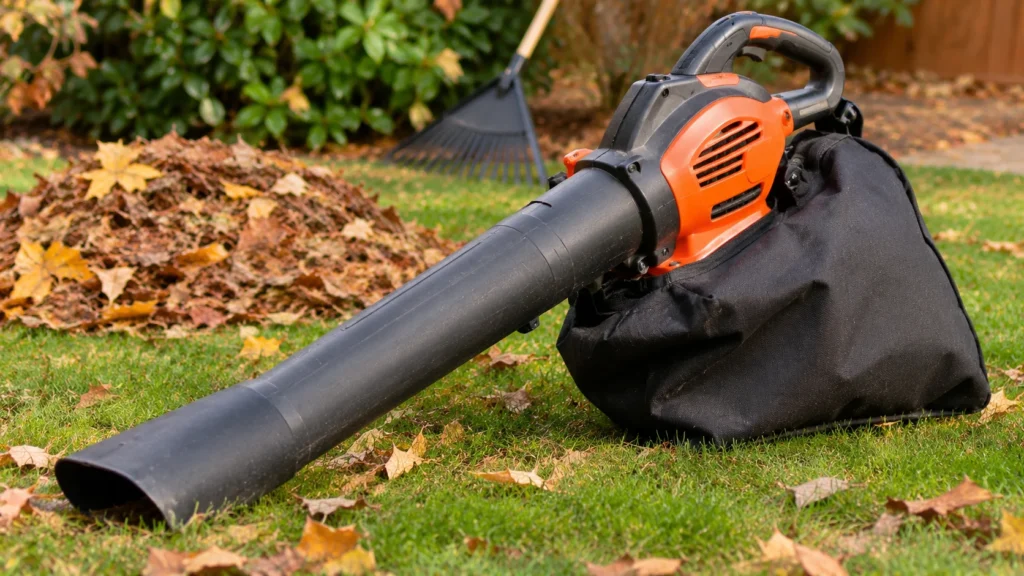
Leaf Vacuum Rental
A leaf vacuum rental can be a sensible choice for a one-time cleanup, a seasonal project, or a trial before buying. Rental providers may offer handheld tools, walk-behind machines, or larger equipment, but availability varies by location.
Before collecting a rental, ask what accessories are included, whether fuel or batteries are supplied, how the machine must be returned, and whether delivery is available. Confirm the equipment’s size and operating requirements so you do not rent a machine that is unsuitable for your property.
Finding Leaf Vacuum Rental Near Me
To find leaf vacuum rental near me, search equipment-rental businesses, garden-equipment dealers, and local tool-hire services. Specify the type of machine you need, such as a walk-behind leaf vacuum or a tow-behind model, because not every rental company stocks every category.
Compare the total cost rather than only the daily rate. Delivery, pickup, fuel, deposits, cleaning fees, and late-return charges may affect the final price. If you need a machine for multiple days, ask whether a longer rental period offers better value.
Leaf Vacuum Service Near Me
If you already own a machine that is losing suction, clogging repeatedly, or struggling to start, look for a leaf vacuum service near me through an authorized dealer or small-engine repair shop. Have the model number available when asking about servicing.
Describe the symptoms and ask whether the provider repairs your particular machine type. Battery-powered tools, corded vacuums, and gas-powered equipment may require different diagnostic skills and replacement parts.
How to Use a Leaf Vacuum Effectively
Good technique can improve collection and reduce clogging. Begin by reading the owner’s manual, assembling the machine correctly, and checking that the bag, tubes, guards, and fasteners are secure.
Use the vacuum on suitable surfaces and move at a steady pace rather than forcing large piles into the intake. If leaves are wet or tightly matted, allow them to dry when possible or use a blower to loosen and gather them before vacuuming.
A Practical Leaf-Cleanup Routine
- Inspect the area: Pick up stones, glass, metal, and large sticks before starting. These objects can damage the machine or become dangerous projectiles.
- Check the machine: Inspect the collection bag, intake, cord or battery, and other parts identified in the manual.
- Choose suitable conditions: Dry or lightly damp leaves are generally easier to manage than saturated, compacted piles.
- Work in sections: Start at the edges and work toward manageable piles or collection zones.
- Use the correct mode: Blow leaves into position first if your combination machine supports both functions.
- Avoid overloading: Empty the collection bag before it becomes difficult to carry or airflow appears restricted.
- Shut down before clearing a clog: Turn the machine off, disconnect the power source, and follow the manual’s procedure before touching the intake or impeller area.
15 Tips for Getting Better Results From a Leaf Vacuum
These practical habits can make seasonal yard cleanup more efficient and help protect your equipment.
- Choose for your leaf load. A small patio requires a different machine from a large property covered in mature-tree leaves.
- Check the manufacturer’s specifications. Confirm that the model supports vacuuming rather than assuming it is a blower-vacuum combination.
- Compare battery platforms. If you already own cordless tools, compatible batteries may reduce the cost of adding another machine.
- Keep spare batteries ready. This can help prevent interruptions during longer cordless cleanup sessions.
- Use a suitable outdoor extension cord. For corded machines, follow the manual’s rating and length requirements.
- Avoid collecting large sticks. Remove branches and other bulky debris unless the manufacturer explicitly permits them.
- Be cautious with wet leaves. Heavy, matted leaves may clog the intake and reduce collection performance.
- Consider mulching needs. A leaf vacuum mulcher can reduce the volume of collected material.
- Check the bag before each session. Tears, worn seams, or poor attachment can allow debris to escape.
- Empty the bag before it becomes too heavy. This makes handling easier and helps keep the workflow manageable.
- Wear suitable protective equipment. Follow the manual’s recommendations for eye, hearing, hand, and foot protection.
- Keep children and pets away. Do not operate the machine near people or animals who could be struck by debris.
- Watch the cord or hose. Keep it away from the intake and moving parts during operation.
- Clean and store the tool properly. Remove debris according to the manufacturer’s instructions and store it in a dry, secure location.
- Compare rental and ownership costs. If you use a large machine only occasionally, renting may be more economical than buying.
Common Leaf Vacuum Buying Mistakes to Avoid
A leaf vacuum can be a worthwhile investment, but the wrong model can make cleanup more difficult than expected. One common mistake is buying based on a high airflow figure or advertised mulching ratio without checking real-world usability. Bag capacity, weight, intake size, and the type of leaves in your yard all influence performance.
Another mistake is overlooking the cost of ownership. A cordless model may require additional batteries, while a gas-powered unit needs engine maintenance. Large walk-behind and tow-behind machines may also require substantial storage space and specific equipment for transport or towing.
Finally, avoid treating all leaves and yard debris alike. A machine designed for dry leaves may struggle with wet piles, while hard objects can damage the impeller. Read the owner’s manual and use the tool only for the materials and conditions it is designed to handle.
Conclusion
A leaf vacuum can simplify yard cleanup by collecting leaves instead of leaving you to gather and bag them manually. The right machine depends on the size of your property, the amount and type of debris, your preferred power source, and whether you need mulching or large-capacity collection.
For smaller spaces, a cordless or electric leaf vacuum may offer the right balance of convenience and cost. A blower-vacuum-mulcher can provide added flexibility, while walk-behind, tow-behind, and commercial models are worth considering for extensive grounds and frequent use.
Before buying, compare the exact model’s features, bag capacity, weight, maintenance requirements, warranty, and replacement-part availability. If you only need powerful equipment for a short seasonal project, a leaf vacuum rental may be the more practical choice. A well-matched machine and safe, consistent technique can make leaf season much easier to manage.
What is the best leaf vacuum for home use?
The best option depends on yard size, debris volume, and budget. A lightweight cordless or corded blower-vacuum-mulcher may suit a small yard, while a walk-behind model can be more practical for a large lawn. Compare independent tests, manufacturer specifications, collection capacity, and ease of use before buying.
What is the best leaf vacuum mulcher?
There is no single best model for every property. Look for effective collection, a suitable mulching system, a durable impeller, comfortable handling, and a bag that is easy to empty. Independent testing can help you compare models, but confirm that the results reflect the type of leaves you typically collect.
Are cordless leaf vacuums powerful enough?
Some cordless models are suitable for routine residential cleanup, but performance and runtime vary. Check the battery platform, operating time, weight, and collection performance. Extensive properties with heavy leaf cover may require spare batteries or a larger machine.
Does EGO make a leaf vacuum?
EGO’s product lineup can change, so check its current official listings to confirm whether a model available in your market supports vacuum collection. Do not assume that a leaf blower automatically includes a vacuum or mulching function.
Can I use a leaf vacuum on wet leaves?
Some machines may handle light dampness, but wet leaves are heavier and more likely to clog the intake. Check the owner’s manual for permitted conditions. When practical, allow leaves to dry before collecting them.
Is a leaf blower and vacuum better than a dedicated vacuum?
A combination tool is useful if you want to move leaves into piles and then collect them. A dedicated vacuum may be preferable for a specific collection task, depending on its capacity and design. Consider how often you will use each function before paying for extra features.
Are gas-powered leaf vacuums better than electric models?
Not always. Gas-powered equipment can suit demanding or extended jobs, but it generally requires more maintenance and produces exhaust and operating noise. Electric models may be easier to manage for smaller properties. Choose according to workload, local rules, and personal preferences.
How do I choose a leaf vacuum with a bag?
Compare bag capacity, material, attachment method, ease of emptying, and replacement availability. A larger bag can reduce stops, but a full bag may be heavy. Select a capacity you can handle comfortably.
Is a walk-behind leaf vacuum worth buying?
It can be worthwhile if you regularly collect leaves across a large lawn or landscaped property. For a small yard, a handheld machine may be easier to store and less expensive. Consider how much time the larger machine will realistically save.
Where can I rent a leaf vacuum?
Try local equipment-rental companies, garden-equipment dealers, and tool-hire services. Ask which types they offer, whether accessories are included, and what the full rental cost will be. Availability depends on your location and the season.
Can a lawn leaf vacuum collect twigs and acorns?
Only if the machine is designed to handle those materials and its manual permits them. Large or hard objects can damage the impeller or cause blockages. Remove unsuitable debris before vacuuming.
How often should I maintain a leaf vacuum?
Inspect the machine before each use and complete cleaning and servicing at the intervals specified by the manufacturer. Check the collection bag, intake, tubes, and other wear parts regularly. Gas-powered equipment may also require engine-specific maintenance.