
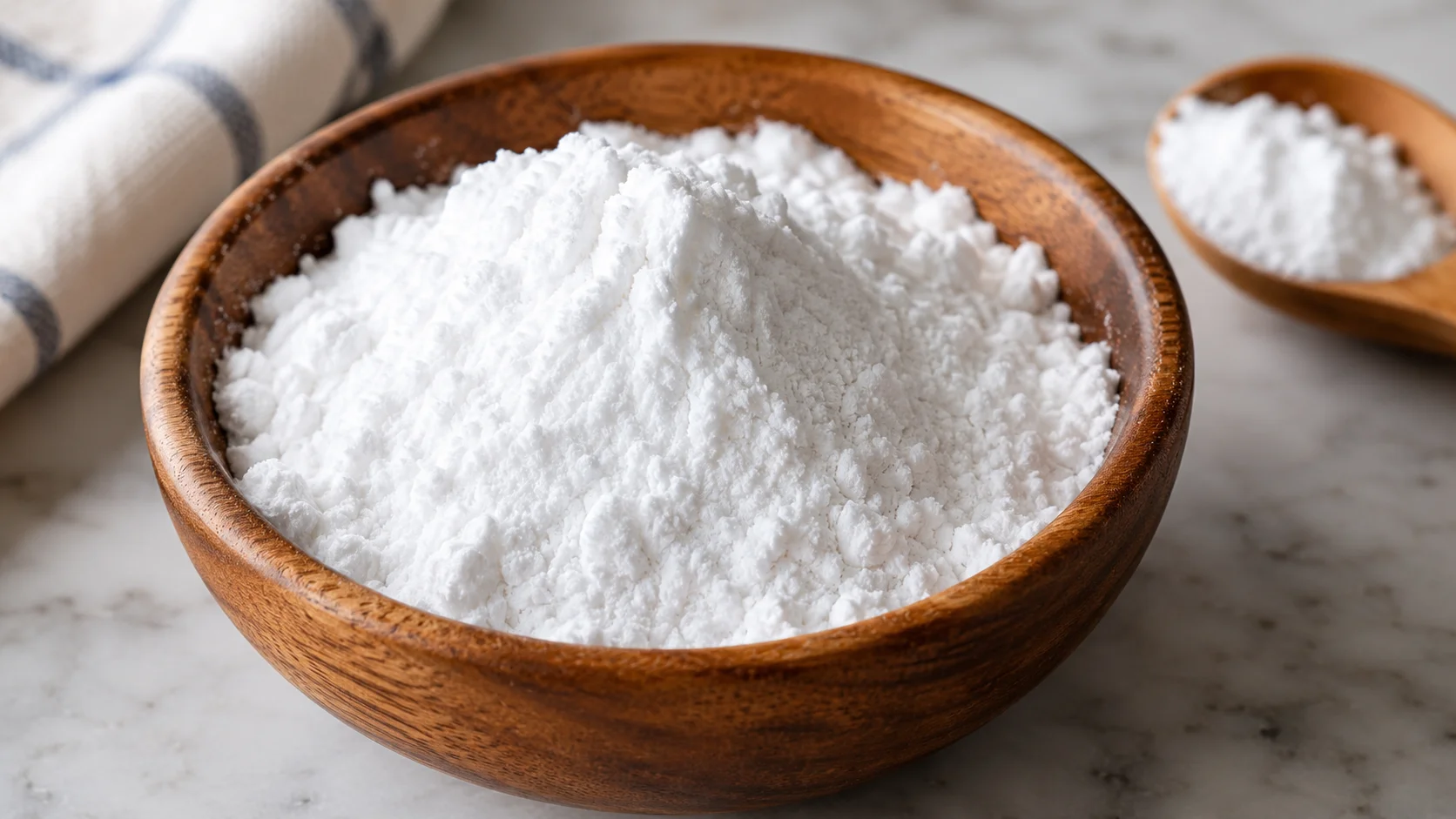
Baking soda is a common household ingredient used in baking, cleaning, deodorizing, and several everyday tasks. Also known as sodium bicarbonate, this fine white powder reacts with acids and releases carbon dioxide, helping baked goods rise and creating the familiar fizz when it is mixed with vinegar. Many people also keep baking soda in their cleaning supplies because it can help absorb odors and loosen certain types of residue. Understanding how baking soda works makes it easier to choose the right method for your kitchen, laundry, bathroom, and other household needs.
Although baking soda has many practical uses, it is not a universal solution. It is different from baking powder, may be unsuitable for some delicate surfaces, and should not be treated as a guaranteed remedy for weight loss, erectile dysfunction, or other health concerns. Using it safely means knowing when it is useful, when another product is more appropriate, and when medical advice is necessary. This guide explains what baking soda is made of, how to use it around the home, which substitutes work in recipes, and what to know before using it on your body or consuming it.
What Is Baking Soda?
Baking soda is a chemical compound called sodium bicarbonate, sometimes written as sodium hydrogen carbonate. It is a mildly alkaline substance that reacts with acidic ingredients to produce carbon dioxide gas. In baking, these gas bubbles help dough and batter expand, creating a lighter texture in foods such as cookies, muffins, pancakes, and quick breads.
Baking soda is sold as a fine, white powder and is commonly available in grocery stores. It is used in food preparation and is also found in various household cleaning and deodorizing routines. However, a product intended for cleaning should not automatically be used for cooking or personal care; always check the package label and intended use.
What Is Baking Soda Made Of?
Baking soda contains sodium bicarbonate as its active ingredient. Unlike baking powder, it does not come with a separate acid ingredient mixed into the powder. It needs an acidic ingredient in a recipe, such as yogurt, buttermilk, lemon juice, or vinegar, to react quickly and release carbon dioxide.
mpound also reacts with acids outside baking, which explains some of its cleaning uses. However, the fact that baking soda fizzes when mixed with an acid does not mean the mixture is automatically a stronger cleaner. The usefulness of a mixture depends on the residue, surface, and purpose.
What Is the pH of Baking Soda?
A water solution of baking soda is mildly alkaline, commonly around pH 8, although the precise reading depends on concentration and testing conditions. Its alkalinity helps it react with acidic substances, while its powder form can also provide mild scrubbing action when used carefully.
Baking soda does not permanently change the body’s overall pH when consumed as a home remedy. The body regulates its acid-base balance through several systems, so claims that baking soda water can broadly “alkalize” the body or treat unrelated health conditions should be approached with caution.
healthline.com
Baking Soda vs. Baking Powder: What Is the Difference?
Baking soda and baking powder are both leavening agents, but they are not the same ingredient. Baking soda is sodium bicarbonate alone, while baking powder contains sodium bicarbonate plus one or more acidic ingredients and usually a starch that helps keep the mixture stable.
| Feature | Baking soda | Baking powder |
| Main composition | Sodium bicarbonate | Sodium bicarbonate, acids, and usually starch |
| Needs an acidic ingredient in the recipe | Generally, yes | Usually not an additional acidic ingredient |
| Reaction | Reacts quickly with acids | Often reacts when moistened and again when heated if double-acting |
| Common uses | Recipes containing acidic ingredients | Cakes, biscuits, pancakes, and other baked goods |
| Can they be swapped directly? | Not usually | Not usually |
Is Baking Soda the Same as Baking Powder?
No. The main difference between baking soda and baking powder is the presence of an acid in baking powder. Baking soda needs an appropriate acidic ingredient in the batter to produce carbon dioxide, while baking powder already contains the acid needed for its leavening reaction.
Using the wrong ingredient can change the texture, rise, flavor, and browning of a recipe. Baking soda used without enough acid may leave an unpleasant taste, while using baking powder in place of baking soda can alter the recipe’s balance.
Can I Use Baking Powder Instead of Baking Soda?
Sometimes, but it is not a simple one-for-one replacement. Baking powder is generally less concentrated as a source of sodium bicarbonate and contains additional ingredients, so a substitution can change the recipe’s flavor and texture. Some recipes may allow a substitution with adjustments, but the original recipe or a tested alternative is the safest guide.
If you have no baking soda, consider these options:
- Use a recipe designed for baking powder: This is usually the most reliable choice.
- Look for a tested substitution: The right adjustment depends on the recipe’s acidity and required rise.
- Avoid guessing with large quantities: Too much leavening can affect taste and texture.
- Do not confuse baking soda with baking powder when shopping: Check the label before adding the ingredient.
What Is a Baking Soda Substitute?
A baking soda substitute depends on what you are making. Baking powder can sometimes replace baking soda when the recipe is adjusted, but the result may differ. Yeast, whipped egg whites, or other leavening methods may work for specific recipes, although they are not universal substitutes for sodium bicarbonate.
For cleaning, substitutions depend on the task. A mild dish soap may be more suitable for greasy residue, while a surface-specific cleaner may be safer for delicate materials. For deodorizing, ventilation and removing the source of the smell may be more effective than adding another product.
What Does Baking Soda Do in Everyday Life?
Baking soda is useful because it can react with acids, help loosen some residue, and absorb certain odors. It is commonly used in recipes, refrigerator deodorizing, light household cleaning, and laundry routines. The best use depends on the surface or task, and its mild abrasive quality means it should not be rubbed aggressively on delicate finishes.
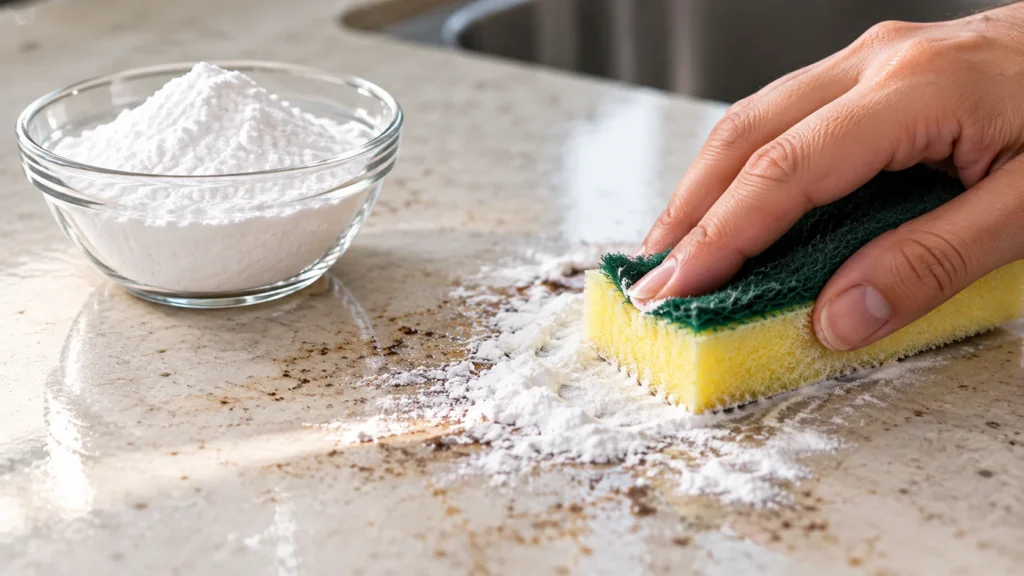
Here are some common baking soda uses:
- Baking: Helps dough and batter rise when the recipe contains enough acid.
- Deodorizing: Can help control some household odors, although it does not remove every odor source.
- Light cleaning: May help loosen residue when mixed with water and used gently.
- Laundry: Can be added to some wash loads as a laundry booster, depending on fabric and detergent instructions.
- Carpet care: May help with certain odors when used sparingly and vacuumed thoroughly.
- Cleaning kitchen surfaces: Can be useful on compatible, non-delicate surfaces.
- DIY cleaning paste: Can be mixed with water for light cleaning where the surface permits it.
Do not assume that baking soda disinfects every surface or kills every germ. When sanitizing or disinfecting is required, use a product approved for that purpose and follow its label.
Jump into Other Related Article
- How to Remove Peanut Butter Stains | Easy Ways to Clean Clothes, Fabric & More
- How to Clean Suede Shoes | Easy Ways to Clean Suede at Home
- How to Clean an Iron | Soleplate, Steam Holes, Burnt Fabric, Starch & Cast Iron Guide
Baking Soda and Vinegar: What Happens When You Mix Them?
When baking soda and vinegar are combined, they react and produce carbon dioxide gas, which causes bubbling and fizzing. The reaction occurs because baking soda is alkaline and vinegar is acidic. (news.ncsu.edu)
NC State News
This reaction can be useful for simple demonstrations, but the fizz is not proof that the mixture is a powerful cleaner. The two ingredients react with each other, and mixing them may reduce the properties that made each ingredient useful on its own.
Is Baking Soda and Vinegar a Good Cleaning Solution?
It depends on the job. Baking soda alone may provide gentle scrubbing on compatible surfaces, while vinegar can help dissolve some mineral deposits on materials that tolerate acids. Combining them creates fizz, but the reaction does not automatically improve cleaning performance.
Use these guidelines:
- Choose one ingredient based on the type of residue.
- Test any homemade solution on a small, hidden area first.
- Avoid vinegar on natural stone such as marble or limestone.
- Do not use abrasive baking soda paste on delicate coatings or easily scratched finishes.
- Never mix vinegar or baking soda with bleach or other cleaning products.
- Rinse surfaces appropriately and dry them when necessary.
Never mix household cleaning products unless the labels specifically say they are compatible. Some combinations can release hazardous gases or cause other dangerous reactions. (epa.gov)
Baking Soda and Hydrogen Peroxide
Baking soda and hydrogen peroxide are sometimes combined in DIY cleaning recipes. However, this does not make the mixture suitable for every surface, stain, or personal-care use. Hydrogen peroxide can affect some materials and finishes, and the safety of a homemade mixture depends on its concentration and intended application.
Before using this combination, check the product label and the surface manufacturer’s instructions. Do not use a homemade mixture as a substitute for an approved disinfectant, and avoid applying it to skin, teeth, or other sensitive areas without reliable guidance.
How to Clean With Baking Soda Around the Home
Baking soda can be a convenient option for certain light cleaning tasks, but it is not appropriate for every material. Always remove loose dirt first, use a small amount, and test an inconspicuous spot before cleaning a larger area.
How to Use Baking Soda on Carpet
Baking soda is often used as a household deodorizer for carpets and rugs. It may help with some odors, but it will not fix every stain or remove the source of persistent smells. Excess powder can also be difficult to remove completely from deep carpet fibers.
For a cautious approach:
- Check the carpet manufacturer’s care instructions.
- Vacuum loose dirt before applying anything.
- Test a small, hidden area first.
- If permitted, sprinkle a light layer of baking soda over a dry area.
- Leave it for a limited period, keeping children and pets away from the powder.
- Vacuum thoroughly using equipment suitable for your carpet.
- Check that no powder remains in the fibers.
Do not use baking soda to treat a wet spill without first addressing the liquid. Blot the spill with a suitable clean cloth and follow the carpet manufacturer’s stain-removal instructions. For expensive rugs, wool, silk, or delicate fibers, consult the care label or a professional cleaner before trying a DIY method.
How to Clean a Rug With Baking Soda
The same precautions apply to rugs, but the backing and fibers matter. Some rugs have dyes or materials that may react poorly to moisture or household treatments.
- Read the rug’s cleaning instructions.
- Test a hidden section before applying powder or a paste.
- Avoid wetting the rug excessively.
- Do not scrub delicate fibers aggressively.
- Vacuum carefully and check that the powder has been removed.
- For a valuable or handmade rug, seek material-specific cleaning advice.
Baking soda may help with certain odors, but it is not a guaranteed treatment for pet urine, mold, or deeply embedded stains. If the odor returns, the underlying source may still be present.
How to Clean a Microwave With Baking Soda
Baking soda can help loosen some food residue from compatible microwave interiors. For light splatters, a damp cloth and mild dish soap may be sufficient; baking soda is another option if the appliance manufacturer’s instructions allow it.
- Turn off the microwave and let it cool.
- Remove the turntable if the manual permits.
- Mix a small amount of baking soda with water to form a loose paste.
- Test the paste on an inconspicuous area if possible.
- Wipe gently with a soft cloth or sponge.
- Avoid scrubbing vents, electrical components, or sensitive surfaces.
- Wipe away all residue with a clean damp cloth.
- Dry the interior before using the appliance again.
Do not pour liquid into vents or openings. If the microwave’s manual recommends a different cleaning method, follow that guidance.
How to Clean Strawberries With Baking Soda
Some people use baking soda when washing strawberries, but it should not be treated as a guaranteed way to remove all pesticides, bacteria, or contaminants. For routine preparation, wash berries under clean running water just before eating, handle them with clean hands, and discard damaged or spoiled fruit.
Avoid using household cleaning products on produce unless the product is specifically labeled for that purpose. Rinsing with clean running water is a simple, practical default for fresh fruit.
Baking Soda in Laundry
Baking soda is sometimes added to laundry as a wash booster or deodorizing aid. Its usefulness depends on the detergent, water conditions, fabric, and washing-machine instructions. It should not replace detergent when detergent is needed to remove body oils, dirt, and other soil.
If you want to try baking soda in laundry:
- Check your washer’s manual and detergent directions.
- Follow garment care labels, especially for delicate fabrics.
- Use a modest amount rather than assuming more is better.
- Avoid adding homemade mixtures that may leave residue.
- Do not combine baking soda with bleach or other laundry chemicals unless the product labels explicitly permit the combination.
- If a garment has a persistent odor or stain, identify the cause and use a fabric-compatible treatment.
For routine washing, a suitable detergent and the correct wash cycle are usually the foundation of good results. Baking soda is an optional addition, not a universal replacement for laundry products.
Baking Soda Paste: How to Make and Use It
A baking soda paste is made by mixing a small amount of baking soda with enough water to form a spreadable mixture. It can be useful for light cleaning on some compatible, durable surfaces, but the powder’s mild abrasive action can scratch or dull certain finishes.
Simple Baking Soda Paste Recipe
Ingredients:
- 3 tablespoons baking soda
- Approximately 1 tablespoon water, added gradually
Directions:
- Place the baking soda in a small, clean bowl.
- Add water gradually.
- Stir until the mixture forms a soft paste.
- Apply a small amount to a compatible surface.
- Rub gently with a soft cloth only if the surface permits it.
- Wipe away the paste with a clean, damp cloth.
- Dry the area and check for any change in the finish.
Adjust the water slightly if the paste is too thick or runny. Do not use the paste on surfaces that require nonabrasive care, including certain polished stone, coated glass, or delicate appliance finishes. When in doubt, follow the manufacturer’s cleaning instructions.
Baking Soda Benefits: What It Can and Cannot Do
Baking soda has useful household and food-preparation applications, but online claims about its health benefits can go far beyond the available evidence. It is important to distinguish established uses from unproven remedies.
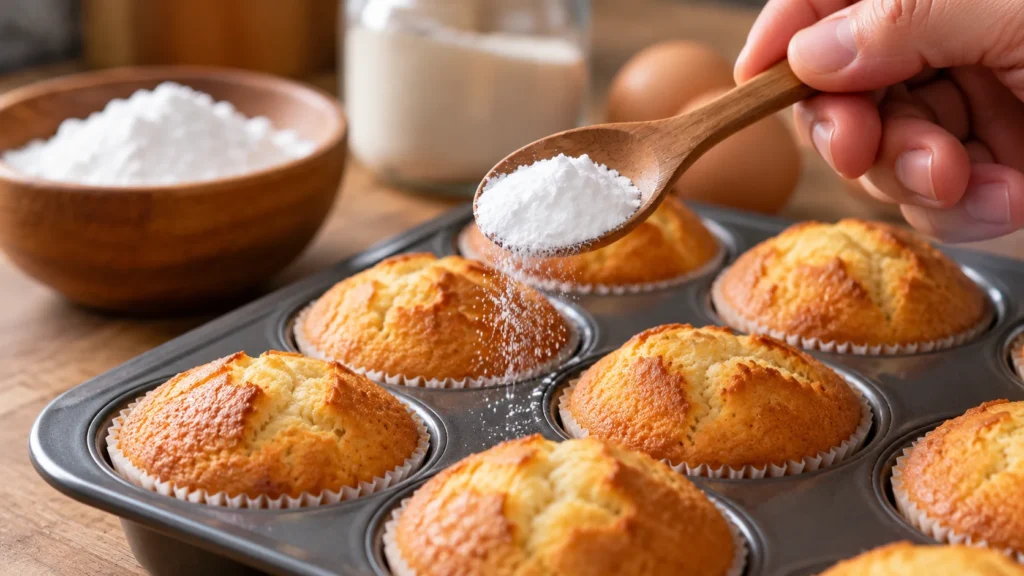
Practical uses include:
- Helping certain baked goods rise.
- Reacting with acids in cooking and science demonstrations.
- Supporting light cleaning on compatible surfaces.
- Helping manage some household odors.
- Serving as an ingredient in certain approved antacid products.
Claims that require caution include:
- Rapid weight loss from drinking baking soda water.
- Improving erectile dysfunction through a “baking soda trick.”
- Permanently changing the body’s pH.
- Whitening teeth safely by brushing with loose baking soda.
- Treating ongoing acid reflux without medical advice.
Baking soda is not a substitute for evidence-based medical care. Using large amounts internally can be dangerous, even though small amounts are commonly used in food preparation.
Baking Soda for Heartburn and Acid Reflux
Sodium bicarbonate is used as an antacid in certain medicines to relieve occasional heartburn and acid indigestion. It neutralizes stomach acid, which may provide temporary relief, but it is not suitable for everyone and should not be used as an ongoing self-treatment without medical guidance.
Is Baking Soda Good for Acid Reflux?
Baking soda may temporarily reduce acidity, but acid reflux can have different causes and may require a treatment plan. Regularly drinking baking soda mixed with water is not a safe long-term strategy for managing reflux symptoms.
Important precautions:
- Do not guess a medicinal dose from a social media post or DIY recipe.
- Ask a healthcare professional before using it as an antacid if you have high blood pressure, kidney disease, heart failure, or a sodium-restricted diet.
- Check with a pharmacist about possible interactions with other medicines.
- Do not give it to children for heartburn unless a healthcare professional directs you to.
- Seek medical advice if symptoms persist, recur frequently, or do not improve with appropriate treatment.
Sodium bicarbonate increases the body’s sodium load, and MedlinePlus advises people to follow dosing instructions carefully and consult a healthcare professional about relevant medical conditions and medicines.
Chest pain, trouble breathing, difficulty swallowing, vomiting blood, or black stools should not be treated as ordinary heartburn. Seek urgent medical help when symptoms suggest a potentially serious condition.
Baking Soda for Weight Loss: Does It Work?
There is no reliable scientific evidence that drinking baking soda causes meaningful, sustainable weight loss. Claims that baking soda water, baking soda and vinegar, or baking soda and lemon juice “burns fat” are not established weight-loss methods.
The body tightly regulates its acid-base balance, so drinking baking soda does not provide a proven way to reset body pH or melt body fat. Consuming too much can cause serious health problems, including disturbances in the body’s electrolyte and acid-base balance.
For sustainable weight management, focus on balanced meals, appropriate portions, regular physical activity, adequate sleep, and professional guidance when needed. Avoid drinking baking soda mixtures for weight loss or replacing meals with them.
The Baking Soda Trick for Men: What Should You Know?
Searches for “baking soda trick for men” and “11 second baking soda trick for men” often relate to viral claims about sexual performance, stamina, or erectile dysfunction. These claims should not be taken as proof that baking soda can treat sexual-health problems.
There is no established evidence that a quick baking soda recipe reliably treats erectile dysfunction. Erectile difficulties can be associated with several physical or psychological factors, and persistent symptoms deserve an assessment by a qualified healthcare professional rather than experimentation with household chemicals.
Do not drink baking soda for erectile dysfunction or sexual performance without medical advice. Large amounts can be harmful, and sodium bicarbonate may interact with health conditions or medicines.
Be cautious if a post promises instant results, claims a secret “11-second” method, or tells you to combine baking soda with vinegar, lemon juice, or another ingredient for guaranteed benefits. A viral trend is not a reliable medical treatment.
Baking Soda Toothpaste: Does It Whiten Teeth?
Baking soda appears in some formulated toothpastes, but that does not mean brushing with loose powder or a homemade paste is the best choice for oral care. Toothpaste is designed to deliver ingredients in a controlled formulation, and cavity protection depends on using an appropriate product.
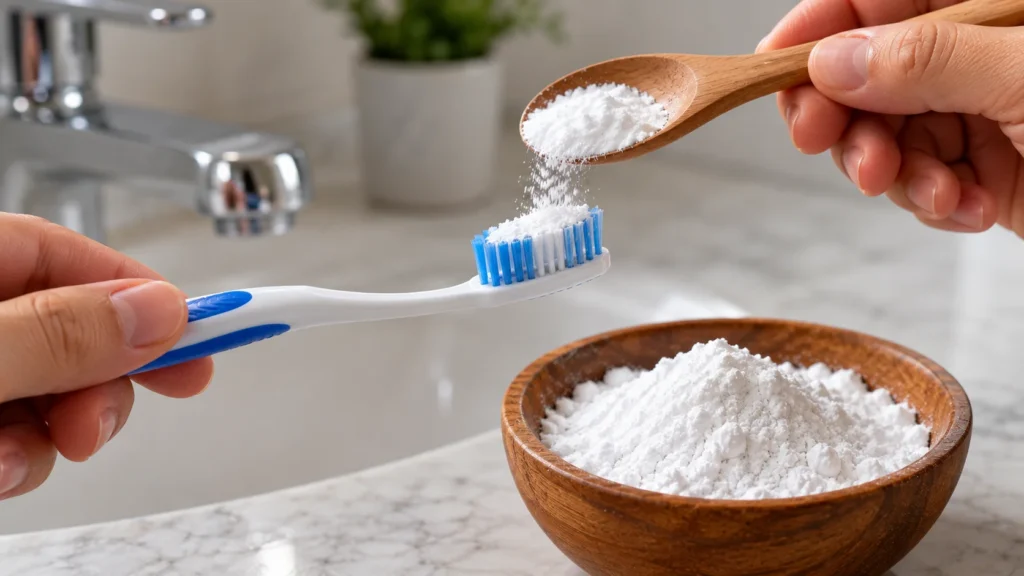
The American Dental Association explains that ADA-accepted toothpastes making cavity-protection claims must contain fluoride. The ADA also notes that evidence for many do-it-yourself whitening methods is limited, and some home methods can damage teeth.
For everyday oral care:
- Use a fluoride toothpaste suited to your needs.
- Brush gently with a soft-bristled toothbrush.
- Avoid aggressive scrubbing with loose baking soda.
- Do not assume baking soda mixed with hydrogen peroxide is safe for repeated use.
- Ask a dentist about persistent stains, sensitivity, or gum irritation.
Baking soda should not replace a proven oral-hygiene routine or professional dental advice.
Baking Soda Bath: Is It Safe?
A baking soda bath is a home remedy discussed online for skin comfort, but its benefits depend on the reason for use, the concentration, and the person’s skin. Strong evidence does not establish a baking soda bath as a treatment for every skin condition.
If you are considering one, ask a healthcare professional first if you have a skin condition, broken or irritated skin, or concerns about how the ingredient may affect you. Stop using the bath if it causes burning, itching, redness, or discomfort. Do not drink bathwater or use a bath as a substitute for treatment of a medical problem.
Does Baking Soda Expire?
Baking soda can lose effectiveness over time, especially if it is exposed to moisture or contaminants. It may still look like a white powder even when it no longer performs as reliably in baking.
To check whether baking soda is still active for baking, place a small amount in a bowl and add vinegar. If it fizzes vigorously, it is reacting; weak or absent fizzing suggests it may not perform as expected. This is a simple activity test, not a guarantee of food quality or safety.
To store baking soda properly:
- Keep it in a tightly closed container.
- Store it in a cool, dry place.
- Keep it away from moisture and strong odors.
- Follow the package’s best-before guidance.
- Replace it if it has become contaminated or its baking performance is poor.
Does Baking Soda Go Bad?
Baking soda does not spoil in exactly the same way as fresh food, but it can become less effective for baking and may absorb odors or moisture if stored improperly. If you are unsure how long a container has been open, test its activity before relying on it in a recipe. For cleaning, use a clean product and test the method on the intended surface.
Is Arm & Hammer Baking Soda Different?
Arm & Hammer is a familiar brand that sells baking soda for household and other uses. The important consideration is the specific product label: confirm whether the package is intended for food preparation, cleaning, deodorizing, or another use. Do not assume that every product sold under a familiar brand has identical directions or approved uses.
For cooking, choose a product labeled for food use. For cleaning, follow the surface and product instructions. Keep all powders stored securely away from children and pets.
Conclusion
Baking soda is a versatile household ingredient with practical uses in baking, light cleaning, deodorizing, and some properly formulated antacid products. Understanding baking soda vs. baking powder helps you choose the right ingredient for recipes, while careful use of baking soda paste, carpet deodorizing methods, and laundry additions can support certain household tasks. However, it is not suitable for every surface, fabric, or cleaning problem, and mixing it with vinegar does not automatically make a more effective cleaner.
Use baking soda according to the purpose and product label, test cleaning methods on hidden areas, and avoid unproven health trends such as baking soda weight-loss drinks or the “11 second baking soda trick for men.” For heartburn, erectile dysfunction, dental concerns, or other ongoing symptoms, seek advice from a qualified healthcare professional. Used thoughtfully, baking soda can be helpful without relying on exaggerated claims or risky DIY remedies.
1. What is baking soda used for?
Baking soda is used to help baked goods rise, react with acidic ingredients, deodorize some household areas, and assist with light cleaning on compatible surfaces. Sodium bicarbonate is also used in certain antacid medicines, but medicinal use requires careful attention to the product directions and safety warnings.
2. What is the difference between baking soda and baking powder?
Baking soda is sodium bicarbonate and generally needs an acidic ingredient in a recipe to produce carbon dioxide. Baking powder contains baking soda plus acid ingredients, so it can work in recipes without requiring a separate acidic ingredient. They are not usually interchangeable in equal amounts.
3. Can I mix baking soda and vinegar for cleaning?
You can combine them for a simple fizzing reaction, but the bubbles do not guarantee better cleaning. Choose the ingredient suited to the residue and surface, and never combine household cleaning products with bleach or other chemicals unless their labels explicitly confirm compatibility.
4. Can drinking baking soda help with weight loss or erectile dysfunction?
There is no reliable evidence that drinking baking soda is an effective weight-loss method or an established treatment for erectile dysfunction. Consuming too much can be dangerous, so do not follow viral baking soda tricks for health or sexual performance. Consult a qualified healthcare professional about persistent symptoms.
5. Does baking soda expire?
Baking soda may lose effectiveness over time, particularly when exposed to moisture or contamination. For baking, test a small amount with vinegar to see whether it fizzes strongly, and store the product tightly sealed in a dry place. Follow the package guidance and replace it if its performance is poor.