
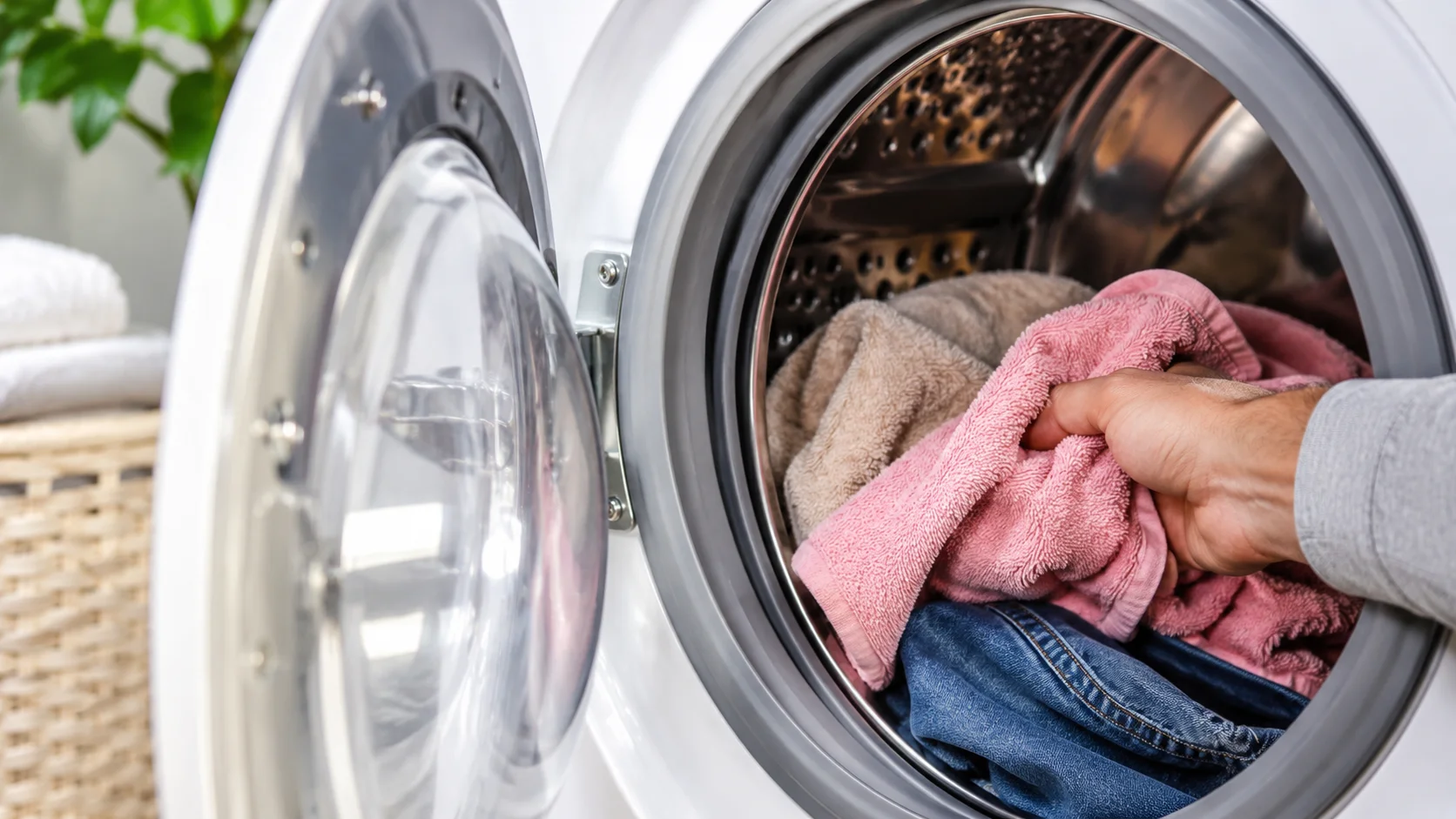
A washing machine that refuses to spin, leaves water in the drum, leaks onto the floor, or makes unusual noises can turn an ordinary laundry day into a frustrating problem. The good news is that many washer issues have simple causes, such as an overloaded drum, a blocked drain hose, an unbalanced load, or an incorrect cycle setting. Identifying the symptoms before replacing parts can save time, prevent unnecessary expenses, and help you decide whether professional repair is needed.
If you are wondering how to fix a washing machine, start with the simplest checks before attempting any internal repairs. Check the power supply, water connections, selected cycle, and visible hoses. Always disconnect the washer from electricity before inspecting accessible components, and follow the instructions in your model’s owner manual. Manufacturer troubleshooting guides from Maytag and iFixit also recommend diagnosing common drainage, spinning, and leakage problems before moving on to more complex repairs.
This guide explains how to troubleshoot common washing machine problems, including washers that will not drain or spin, Samsung and LG error codes, leaks, odors, shaking, and repair costs. You will also learn when a DIY fix is reasonable and when it is safer to call an appliance technician.
How to Fix a Washing Machine: Start With These Basic Checks
Before investigating individual problems, take a moment to identify what the washer is doing and when the issue occurs. Does it fail to start, stop during the cycle, fill without draining, or finish with soaking-wet clothes? These details can help narrow down the likely cause.
Begin with external checks that do not require removing panels or touching electrical components. Confirm that the power supply is working, the water valves are open, and the selected cycle is appropriate for the load. If the washer displays an error code, write it down before resetting the appliance so you can consult the correct model-specific guidance.
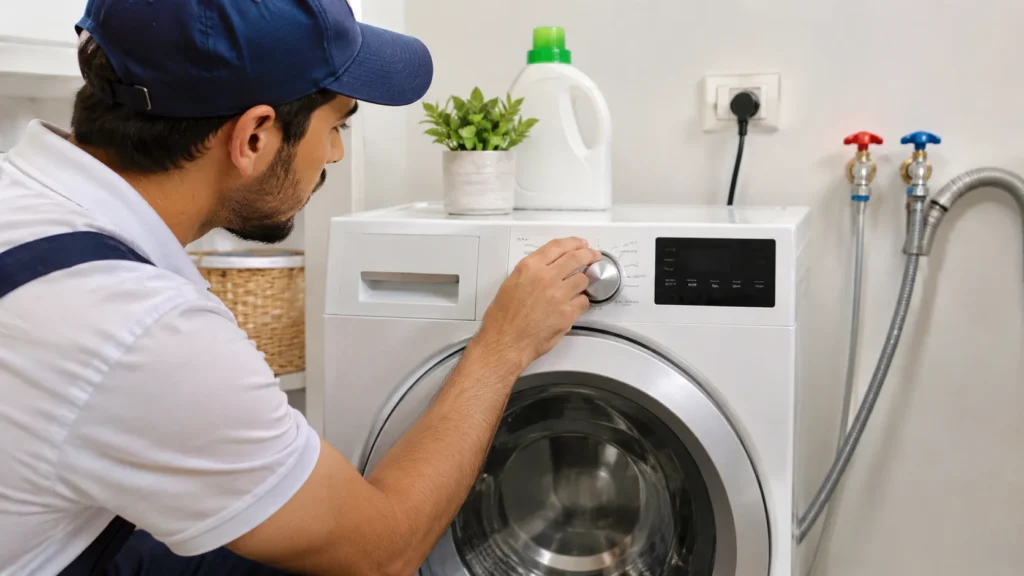
Follow these initial troubleshooting steps
- Check the power supply: Make sure the plug is secure and the circuit breaker has not tripped.
- Inspect the water supply: Confirm that the hot and cold valves are open where applicable.
- Check the load size: Remove excess laundry if the drum is packed tightly.
- Inspect visible hoses: Look for kinks, crushing, or obvious leaks.
- Review the selected cycle: A delicate or low-spin program may leave more moisture in clothes.
- Read the display: Record any error code and consult the manufacturer’s manual.
- Listen for unusual sounds: Grinding, repeated clicking, or a burning odor may indicate a problem that needs professional attention.
If these checks do not solve the issue, use the symptoms below to determine the next step.
How to Fix a Washing Machine That Won’t Spin
A washer that will not spin may finish its wash cycle but leave clothes unusually wet. The cause might be an unbalanced load, a lid or door that has not locked properly, or water that has not drained completely. Some washers deliberately reduce spin speed when they detect an uneven load to protect the appliance from excessive vibration.
Start by removing a few heavy items and distributing the remaining clothes evenly around the drum. Check that the door or lid is fully closed, and see whether a drain or door-lock error appears. If the machine still refuses to spin after these basic checks, the problem could involve a drive belt, motor, suspension component, pump, or electronic control.
How to fix washing machine spinner problems
- Redistribute the laundry: Separate tangled sheets and spread heavy items evenly.
- Reduce an overloaded load: Remove some clothing and try a suitable cycle again.
- Check the door or lid: Make sure nothing prevents the locking mechanism from engaging.
- Check for standing water: Resolve a drainage problem before repeatedly attempting high-speed spins.
- Choose the correct spin setting: Select an appropriate spin speed for the fabric and load.
- Inspect for visible obstructions: With the machine unplugged, remove accessible foreign objects only if the manual permits it.
If the drum remains stationary, makes grinding sounds, or repeatedly displays a motor-related error, stop testing it and arrange professional diagnosis. Do not bypass the lid switch or door lock to force the machine to spin.
How to Fix a Washing Machine That Won’t Drain Water
If water remains in the drum after the cycle, the washer may have a kinked drain hose, a clogged pump filter, a blocked household drain, or a malfunctioning drain pump. Some machines also pause before spinning when water has not been removed successfully. The exact troubleshooting procedure depends on the model and whether it is a front-load or top-load washer.
First, stop the cycle and disconnect the power before inspecting accessible hoses or filters. If the drum contains water, do not open a filter without preparing for water to escape. Use the manufacturer’s manual to find the correct emergency-drain procedure and filter location. Maytag’s repair guidance identifies blocked hoses, drain installation issues, and filter obstructions among the possible causes of drainage problems.
How to fix a washing machine not draining water out
- Check the drain hose: Look for bends, crushing, or visible damage.
- Inspect the household drain: A blocked standpipe or sink connection can prevent proper discharge.
- Clean the pump filter if accessible: Follow the exact model instructions and prepare a shallow container and towels.
- Check the selected cycle: Make sure you have not selected a program that pauses before draining or spinning.
- Try the recommended drain cycle: Restore power only after the accessible inspection is complete and the machine is safe to operate.
If the pump only hums, the washer repeatedly fails to drain, or the hose and filter are clear, the drain pump or another internal component may need testing. Electrical testing and pump replacement are better left to a qualified technician if you lack the appropriate experience.
How to Fix a Leaking Washing Machine
A leaking washer can release water from the inlet hoses, drain hose, door seal, detergent drawer, or internal plumbing. The location and timing of the leak provide useful clues. For example, water appearing near the back may point toward a hose connection, while water escaping around a front-load door may involve the seal or something trapped between the seal and the door.
Turn off the washer and close the water supply valves if water is leaking. Disconnect the power only if you can reach the plug safely without standing in water. Never touch an electrical plug, outlet, or appliance while standing in a flooded area. Clean up standing water only when it is safe, then inspect visible external connections.
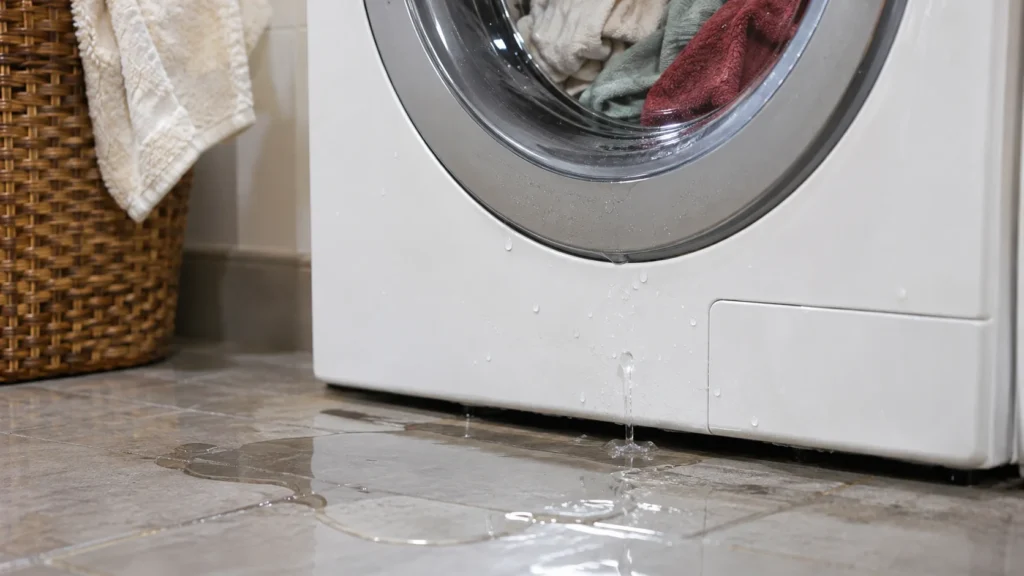
Steps to troubleshoot a leaking washer
- Check the inlet hoses: Look for cracks, bulges, and loose connections.
- Inspect the drain hose: Make sure it is securely positioned and not damaged.
- Examine the door gasket: Look for visible tears, trapped clothing, or debris.
- Clean the detergent drawer: Excess detergent or residue may contribute to overflow around the dispenser.
- Check the floor beneath the washer: The leak’s location can help a technician narrow down the source.
Do not tighten connections excessively or dismantle the cabinet to find a hidden leak. If water continues to escape, a seal, pump, valve, or internal hose may require replacement.
How to Fix a Washing Machine That Shakes or Is Off Balance
A washer may shake during spinning because the laundry is unevenly distributed, the appliance is not level, or the machine is overloaded. Heavy items such as blankets can collect on one side of the drum, creating an uneven load. On some models, worn suspension components or other mechanical problems can also cause excessive movement.
Stop the cycle if the machine moves significantly or strikes nearby cabinets. Once the drum has stopped, redistribute the laundry and remove some items if necessary. Check whether all feet sit firmly on a solid floor, and follow the installation manual when adjusting the leveling feet.
Practical fixes for a shaking washer
- Spread clothes evenly around the drum.
- Wash bulky items according to the manufacturer’s load recommendations.
- Confirm that the machine sits level and does not rock when gently checked.
- Ensure the washer is installed on a stable floor.
- Check that shipping bolts have been removed if the appliance was recently installed and the model uses them.
If the washer continues to bang loudly when empty or moves across the floor, stop using it until the cause is identified. Worn suspension parts, damaged bearings, or loose internal components may require professional service.
How to Fix a Smelly Washing Machine
A washing machine can develop a musty or sour smell when detergent residue, lint, moisture, and other deposits accumulate inside it. Front-load door gaskets and detergent dispensers can retain moisture, while some washers develop odors when the door stays closed between loads. Using too much detergent may also contribute to residue buildup.
To address the odor, clean the detergent drawer and accessible gasket areas according to the manual. Run the manufacturer’s recommended tub-cleaning cycle with an approved washing-machine cleaner. Leave the door or lid open between loads when the manufacturer permits it, allowing the interior to dry. Avoid mixing cleaning products, particularly bleach with vinegar or ammonia.
How to prevent washing machine odors
- Remove damp laundry promptly after each cycle.
- Clean the dispenser and accessible gasket regularly.
- Use the detergent type and quantity recommended for your washer.
- Run the recommended cleaning cycle at the interval specified by the manufacturer.
- Inspect the drain area if the odor resembles sewage rather than damp laundry.
If a persistent foul smell accompanies slow drainage, standing water, or repeated backups, the problem may be in the drain system rather than the drum itself.
Jump into Other Related Article
- Best Deck Stain and Sealer | Complete Guide for Pressure Treated, Cedar, Old, and Full Sun Decks
- How to Clean Floor Tile Grout Without Scrubbing | Easy, Low-Effort Methods
- How to Clean a Shower Head With Vinegar | A Step-by-Step Guide
How to Fix Washing Machine Error Codes
Error codes help identify a problem, but their meanings can vary by brand, model, and sometimes the exact product series. Never assume that a code means the same thing on every washing machine. Record the code and consult the manual for your model before deciding which part needs repair.
How to fix a 4C error in a Samsung washing machine
Samsung uses the 4C code on many washers to indicate a water-supply issue. Check that the relevant water valves are open and that the inlet hoses are not kinked. If the manual permits, inspect the accessible inlet screens for debris after turning off the water and disconnecting the appliance safely.
If the code remains after checking the water supply, the inlet valve or another component may require inspection. Follow the exact model’s instructions because code meanings and procedures can vary.
How to fix a 5C error on a Samsung washing machine
The 5C code commonly indicates a drainage problem on compatible Samsung washers. Check for a kinked drain hose and inspect the accessible pump filter if your model has one. Prepare for residual water before opening the filter, and follow the manual’s emergency-drain procedure.
If the hose and filter are clear but the washer still cannot drain, a blocked internal passage or faulty pump may be responsible. Do not force the pump or remove electrical components without proper training.
How to fix LE, FE, and tE errors on an LG washing machine
These codes do not all indicate the same fault. On supported LG models, LE can indicate that the tub is unable to spin properly, sometimes because of an overloaded load or a foreign object. FE can indicate an overfill condition, while tE generally relates to a temperature-sensing problem. Exact meanings depend on the washer model.
- For an LE error, reduce the load and check for accessible foreign objects after unplugging the machine.
- For an FE error, turn off the water supply if the tub is overfilling and seek service if the condition continues.
- For a tE error, follow the model-specific reset instructions; arrange service if the code returns.
Do not repeatedly reset a washer that is overfilling, overheating, or showing a persistent motor or sensor fault.
How to fix a Speed Queen or Maytag washing machine
For Speed Queen and Maytag washers, begin with the same safe external checks: load balance, water supply, drain hose, door or lid closure, and the selected cycle. Use the model-specific troubleshooting guide for any displayed error codes. If the machine repeatedly stops, makes unusual noises, or cannot drain after basic checks, professional diagnosis may be necessary.
How to Fix a Washing Machine With Slow Water Flow
If your washer fills slowly or takes an unusually long time to begin washing, the water supply may be restricted. Common causes include partially closed supply valves, kinked inlet hoses, clogged inlet screens, or inadequate household water pressure. A problem with the inlet valve may also prevent the washer from filling correctly.
Check that the water valves are fully open and inspect the accessible hoses for bends or crushing. If the problem affects other faucets as well, the household water supply may need attention. Before cleaning inlet screens, turn off the water and disconnect power safely, following the manufacturer’s instructions.
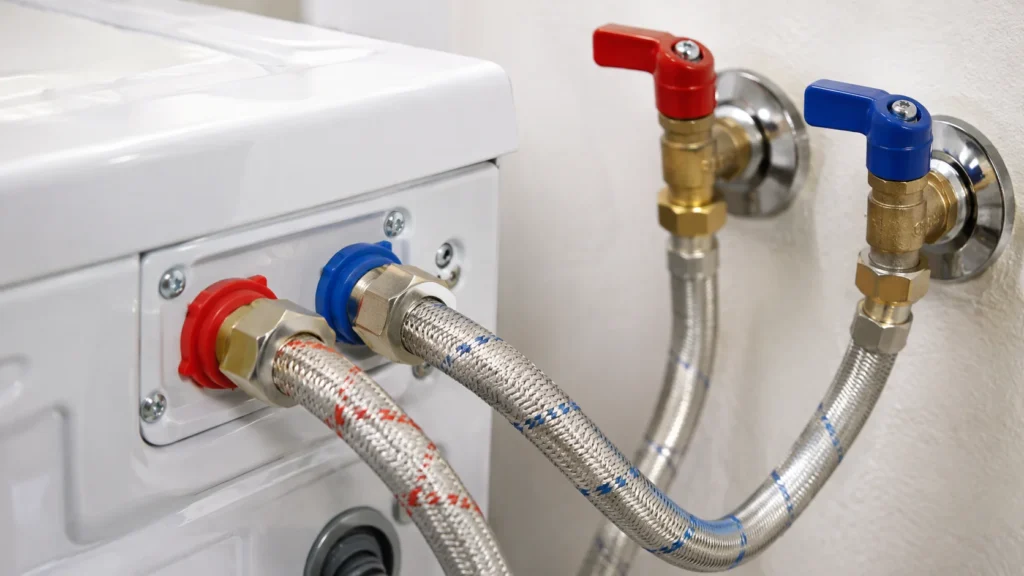
When slow filling requires repair
If water pressure appears normal but the washer continues to fill slowly, the inlet valve or an internal component may be faulty. Avoid opening electrical compartments or testing live components yourself. A technician can determine whether the valve, sensor, or control system needs attention.
How to Fix a Washing Machine That Makes a Burning Smell
A burning smell should never be treated as an ordinary washer problem. It may indicate overheating electrical components, a slipping belt on some models, motor trouble, or friction from a damaged part. The smell alone cannot identify the exact cause.
Stop the washer immediately and disconnect the power only if you can do so safely. If you notice smoke, sparks, flames, or a hot electrical outlet, keep away and contact emergency services if necessary. Do not restart the machine just to see whether the smell disappears.
What to do next
- Note whether the smell started during filling, washing, or spinning.
- Check for visible external damage only after the appliance is safely disconnected.
- Avoid removing panels or touching internal wiring.
- Arrange a qualified appliance inspection before using the washer again.
If the burning odor is accompanied by a tripped breaker, unusual motor noise, or a hot plug, professional inspection is particularly important.
How to Fix a Washing Machine Agitator
An agitator is the central post found in many traditional top-load washers. It moves laundry through the water to help clean clothes. If the agitator does not move correctly, clothes may not wash properly, or you may hear clicking, grinding, or unusual knocking.
First, check the load size and confirm that the selected cycle uses agitation. Look for accessible clothing or objects obstructing movement, but never reach into a moving drum. Disconnect the washer from power before examining any accessible parts.
Common agitator problems
A loose agitator, worn internal dogs or directional components, a damaged coupling, or a transmission issue may affect movement, depending on the design. Some models use an impeller rather than a traditional agitator, so the repair process differs.
Consult the model’s parts diagram before ordering replacements. If the agitator is loose, damaged, or making repeated grinding noises, a technician can determine whether the agitator assembly or a deeper drive component is responsible.
How Much Does It Cost to Fix a Washing Machine?
The cost to fix a washing machine depends on the failed component, the appliance’s age, local labor rates, parts availability, and whether the repair is covered by a warranty. Cleaning an accessible filter or correcting an unbalanced load may cost nothing, while replacing a pump, motor, bearing, or control board can be considerably more expensive.
There is no single repair price that applies to every washer or location. Request a written estimate that separates the diagnostic fee, labor, parts, and any additional charges. Compare the estimate with the cost of replacing the appliance before approving an expensive repair.
Factors that affect washing machine repair costs
- Minor maintenance: Cleaning a filter or correcting a hose position may require no replacement parts.
- Drain pump replacement: Costs depend on the pump design, access, and labor.
- Door seal replacement: The price varies by model and the complexity of disassembly.
- Motor or bearing repairs: These may require more labor and specialized parts.
- Control board repairs: The availability and price of the correct electronic component can affect the total.
- Warranty coverage: An eligible repair may be covered under the applicable warranty terms.
Ask whether the technician charges a diagnostic fee even if you decline the repair. If you rent your home, check your lease and local rules before paying for a repair that may be the landlord’s responsibility.
How Long Does a Landlord Have to Fix a Washing Machine?
There is no universal deadline for a landlord to repair a washing machine. The answer depends on the country, state, or local jurisdiction, the terms of the lease, whether the appliance was included with the rental, and the applicable housing laws.
If the washer stops working in a rental property, notify the landlord or property manager in writing. Describe the fault, explain any water leakage or other immediate risk, and keep copies of messages and repair requests. Check your lease and local tenant-rights guidance to understand the landlord’s responsibilities and any applicable deadlines.
What tenants should do
- Report the problem promptly and keep a written record.
- Include photos or videos if they safely document the issue.
- Ask for a repair timeline and retain the response.
- Review the lease to see whether the washer is a landlord-provided appliance.
- Contact a local tenant advisory service if the repair is delayed and you are unsure of your rights.
Do not withhold rent, deduct repair costs, or arrange a costly replacement without checking the rules that apply to your location.
When Should You Call a Washing Machine Repair Technician?
Basic troubleshooting is appropriate for many external problems, but some faults require specialist tools, electrical testing, or disassembly. Continuing to run a damaged washer can increase the cost of repairs and may create an electrical or flooding hazard.
Call a qualified technician if the appliance continues to fail after basic checks, repeatedly displays an error code, or produces unusual mechanical noises. A professional is also the better choice for internal wiring, motor, bearing, control board, and inaccessible pump problems.
Signs that professional repair is needed
- A burning smell, smoke, or sparks.
- Repeated circuit-breaker trips.
- Persistent water leakage from inside the cabinet.
- A drum that will not rotate despite correct loading and drainage.
- Loud grinding or banging that continues with an empty drum.
- Repeated overfilling or failure to stop filling.
- Error codes that return after the manufacturer’s recommended troubleshooting.
Before booking service, record the washer’s brand, model number, displayed code, symptoms, and the steps you have already tried. This information can help the technician prepare for the appointment.
15 Washing Machine Maintenance Tips to Prevent Future Problems
Regular maintenance can reduce the likelihood of blocked drains, unpleasant odors, leaks, and avoidable spinning problems. Follow the care instructions for your specific appliance because filter locations, cleaning cycles, and maintenance intervals differ between models.
Here are 15 practical habits to help keep your washing machine working properly:
- Avoid overloading the drum. Leave enough room for clothes to move freely.
- Distribute heavy items evenly. This helps reduce vibration during spinning.
- Use the correct detergent. Choose a product suitable for your washer.
- Measure detergent carefully. Excess detergent can leave residue.
- Clean the dispenser regularly. Remove accumulated detergent and fabric softener.
- Inspect the door gasket. Remove visible debris and wipe it according to the manual.
- Keep the door open between loads when permitted. This helps the interior dry.
- Clean the pump filter as directed. Not every washer has a user-accessible filter.
- Inspect inlet hoses. Replace damaged hoses according to the manufacturer’s recommendations.
- Check the drain hose position. Incorrect installation can interfere with drainage.
- Keep the washer level. Proper leveling helps minimize shaking.
- Empty pockets before washing. Coins and other objects can cause blockages or damage.
- Use the correct wash cycle. Match the settings to the load and fabric.
- Run the recommended tub-cleaning cycle. Use only approved cleaning products.
- Investigate unusual symptoms early. Address leaks, odors, noises, and error codes before they worsen.
Conclusion
Learning how to fix a washing machine starts with identifying the symptoms and checking the simplest possible causes. An unbalanced load, restricted water supply, kinked drain hose, dirty filter, or incorrect cycle setting may explain many common problems without requiring a replacement part.
Always prioritize safety: disconnect the appliance before inspecting accessible components, follow the model-specific manual, and never bypass door locks or attempt electrical repairs without proper qualifications. For persistent leaks, burning smells, repeated error codes, or internal mechanical faults, professional diagnosis is the safest next step.
With careful troubleshooting and regular maintenance, you can make a more informed decision about whether to handle a minor problem yourself, arrange a repair, or replace the appliance.
1. Can I fix a washing machine myself?
Yes, many basic problems can be addressed at home, including an uneven load, a kinked drain hose, an incorrect cycle setting, or a dirty user-accessible filter. Disconnect power before inspecting accessible parts and follow the owner’s manual. Internal electrical or mechanical repairs may require a qualified technician.
2. Why is my washing machine not draining or spinning?
A washer may fail to spin because it cannot drain, the load is unbalanced, the door is not locking, or a drive component has failed. Check the drain hose, accessible filter, load balance, and displayed error codes before considering internal repairs.
3. How do I fix a washing machine that won’t spin?
Redistribute the laundry, reduce an overloaded load, confirm the door or lid is properly closed, and check whether water remains in the drum. If the machine still will not spin, consult the model-specific troubleshooting guide or arrange professional service.
4. Why is my washing machine leaking from the bottom?
Possible causes include a damaged hose, leaking pump, loose internal connection, or faulty seal. Turn off the water supply and stop using the appliance until the source is identified. Avoid touching electrical connections in a wet area.
5. How often should I clean my washing machine?
Follow the manufacturer’s recommended cleaning schedule. Clean the dispenser and accessible gasket as needed, and run the tub-cleaning cycle at the interval specified in your owner’s manual.
6. Is it worth repairing an old washing machine?
It depends on the repair estimate, appliance age, condition, energy and water efficiency, and availability of parts. Compare the complete repair cost with replacement options and consider whether other components are also showing signs of wear.
7. Should I reset my washer when an error code appears?
A reset may help with some temporary faults, but it will not fix every mechanical or electrical problem. Record the error code first, then follow the manufacturer’s instructions. Do not repeatedly reset a washer that is leaking, overfilling, overheating, or producing a burning smell.
8. Why does my washing machine smell bad even after cleaning?
Odors may persist because of detergent residue, moisture trapped in the gasket, a dirty filter, or a drainage problem. Clean the user-accessible areas and run the recommended cleaning cycle. If a sewage-like smell or standing water remains, inspect the drain system or contact a technician.