
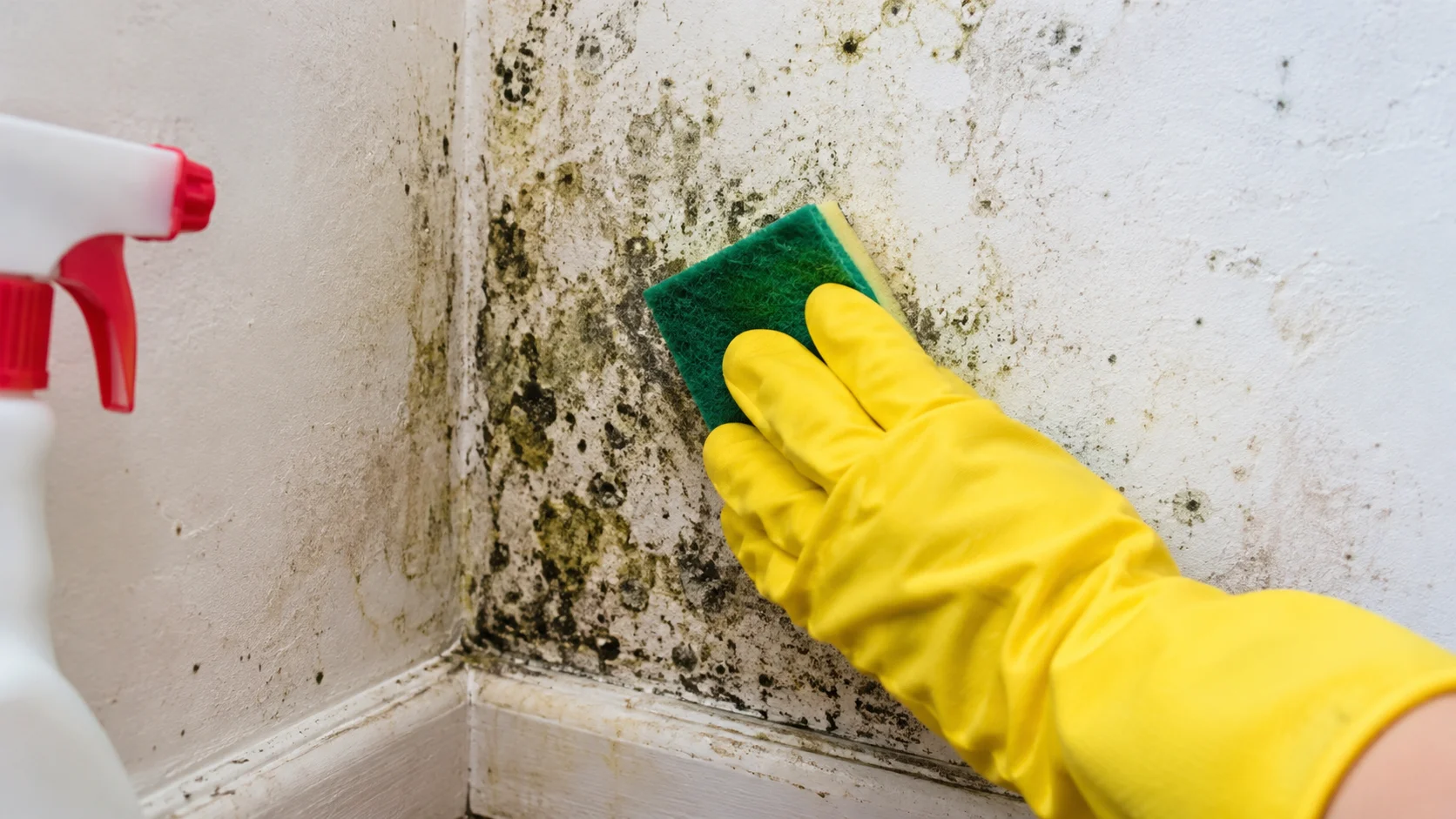
Mold can develop in damp bathrooms, basements, kitchens, closets, and other areas where moisture lingers. You might notice dark patches on a wall, fuzzy growth on wood, spots around a shower, or a musty smell that does not disappear after ordinary cleaning. The right way to remove it depends on the surface, the size of the affected area, and the reason moisture is collecting there.
To get rid of mold effectively, address the moisture source as well as the visible growth. Small patches on suitable, nonporous surfaces can often be cleaned with appropriate household products and careful precautions. Mold growing inside drywall, carpet padding, or other absorbent materials may require removal of the damaged material or professional help. This guide explains how to approach common mold problems safely and reduce the chance of them returning.
What Is the Best Way to Get Rid of Mold?
The most reliable approach is to correct the moisture problem, clean small areas of mold from suitable surfaces, and remove materials that cannot be cleaned thoroughly. Mold can return if a leak, condensation, or persistent humidity remains unresolved.
Use this general process:
- Find the moisture source. Check for plumbing leaks, roof damage, condensation, or poor ventilation.
- Assess the affected area. Consider the size, surface type, location, and whether water or sewage may be involved.
- Protect yourself. Wear gloves and eye protection. A properly fitted N95 respirator can help reduce exposure during suitable small cleanup jobs.
- Clean an appropriate surface. Use a suitable cleaner and follow the product label. Avoid spreading mold or soaking materials unnecessarily.
- Dry the area completely. Use ventilation or dehumidification where appropriate.
- Repair the underlying problem. Fix leaks, improve airflow, and control indoor humidity.
The U.S. Environmental Protection Agency (EPA) generally advises homeowners to consider professional help when mold covers more than about 10 square feet, when contamination involves sewage or contaminated water, or when the problem is hidden or associated with building-system issues. People with asthma, significant allergies, immune suppression, or other relevant health concerns should avoid participating in cleanup.
How to Get Rid of Black Mold
Black mold is a common name for dark-colored mold growth, but appearance alone cannot reliably identify a mold species or determine its risk. You do not need to identify the exact type before addressing visible mold. The priority is safe removal and moisture control.
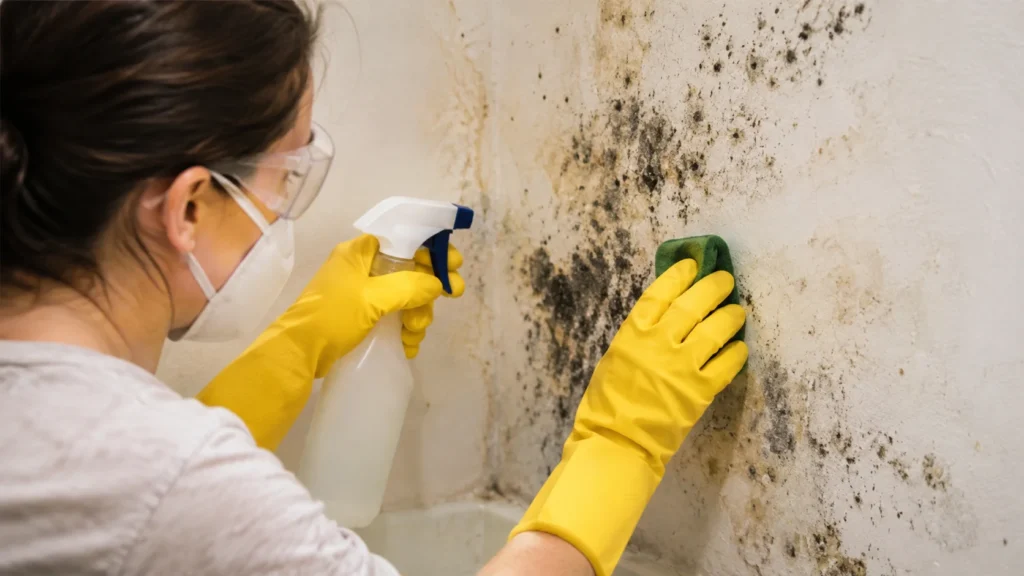
For a small patch on a hard, washable surface:
- Keep children, pets, and people with respiratory sensitivities away from the work area.
- Open windows or doors when doing so is safe, and avoid directing fans at the mold before it is cleaned.
- Put on gloves, protective goggles, and a suitable respirator.
- Clean the surface with detergent and water, scrubbing gently enough to avoid damaging the material.
- Remove residue and dry the area thoroughly.
- Inspect for leaks, condensation, or other sources of dampness.
The CDC advises wearing appropriate protective equipment and never mixing bleach with ammonia or other cleaning products. Mixing household cleaners can produce dangerous fumes.
When to get professional help: If black growth covers a large area, keeps returning, appears behind walls, or follows flooding or sewage contamination, do not rely on surface cleaning alone. A qualified mold remediation professional can assess the extent of the problem and determine whether building materials need to be removed.
How to Get Rid of Mold on Walls
The safest method for cleaning mold on walls depends on whether the wall has a washable finish or is made from absorbent material.
Painted walls
For a small patch on intact, washable paint:
- Mix a mild detergent with water according to the product instructions.
- Dampen a cloth or sponge rather than soaking the wall.
- Wipe or gently scrub the affected area.
- Remove cleaning residue with a clean, slightly damp cloth if needed.
- Dry the wall completely and improve ventilation.
Test the cleaner in an inconspicuous spot first. Excessive water or aggressive scrubbing can damage paint and allow moisture to penetrate the wall.
Wallpapered walls
Wallpaper can conceal growth underneath the paper, particularly after a leak. Avoid saturating wallpaper or scrubbing it aggressively. If mold has spread behind the covering, the affected wallpaper may need to be removed and the underlying wall inspected.
How to get rid of black mold on walls
Use the same surface-specific approach for dark growth on walls. If the paint is bubbling, the wall feels soft, or the growth returns soon after cleaning, moisture may be trapped inside the material. Repainting over the problem will not solve it. The CDC specifically advises removing mold and correcting the water problem before painting or caulking.
How to Get Rid of Mold on Drywall
Drywall is porous, so moisture and mold can penetrate beyond the visible surface. This makes it harder to clean thoroughly than tile, glass, or other nonporous materials.
If a small spot appears on intact drywall, first identify why it became damp. A surface-only stain may sometimes be cleaned, but drywall that is soft, swollen, crumbling, persistently damp, or extensively affected often needs removal and replacement.
Do not cut into a wall if you suspect a hidden leak, electrical hazard, or extensive contamination. Professional assessment is particularly important when mold is widespread or the wall has been wet for a prolonged period.
Before repairing the wall:
- Fix the leak or condensation problem.
- Remove contaminated material where necessary.
- Ensure the framing and surrounding structure are dry.
- Replace damaged drywall and finish it only after the moisture problem is resolved.
A fresh coat of paint may improve appearance, but it does not remove mold growing beneath the finish.
Jump into Other Related Article
- Best Deck Stain and Sealer | Complete Guide for Pressure Treated, Cedar, Old, and Full Sun Decks
- Brick Stain Colors | Exterior, Interior, Fireplace, Paver, and Before and After Ideas
- Powdery Mildew Treatment | How to Get Rid of White Fungus on Plants
How to Get Rid of Mold on a Ceiling
Ceiling mold can develop because of bathroom humidity, roof leaks, plumbing above the ceiling, or condensation in poorly ventilated rooms.
Start by looking for the source. A small patch near a bathroom shower may point to inadequate ventilation, while brown water stains, sagging plasterboard, or spreading patches may indicate a leak.
For a small area on a sound, washable ceiling surface, use a suitable detergent solution and a lightly damp cloth. Protect your eyes from drips, and do not stand on an unstable chair or ladder to reach the affected area.
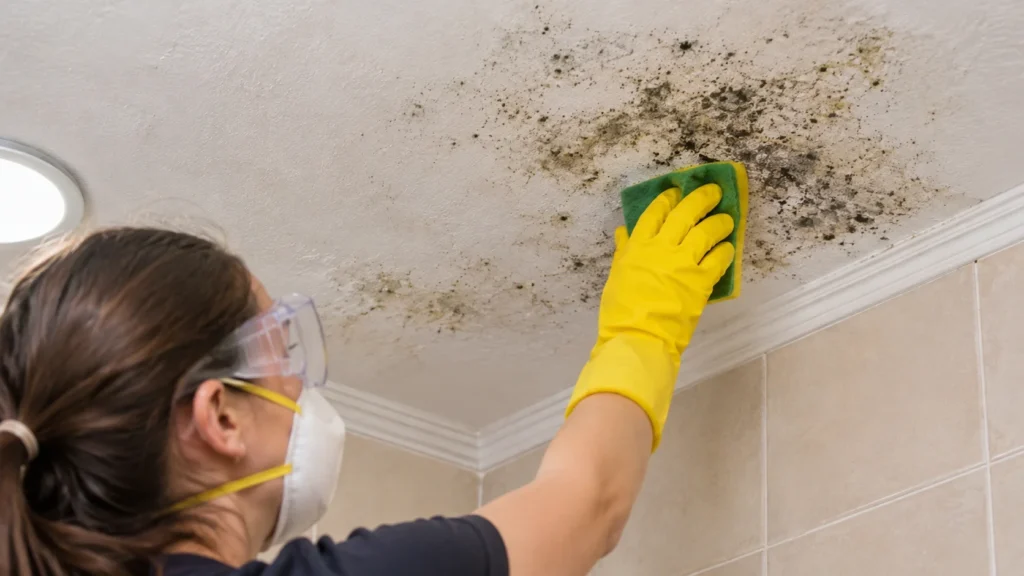
How to get rid of mold on a bathroom ceiling
- Run the bathroom exhaust fan during showers and afterward, following the fan manufacturer’s guidance.
- Clean small areas on intact, washable surfaces without soaking the ceiling.
- Check whether the fan vents outdoors and works effectively.
- Repair leaks and damaged caulk that allow water to enter building materials.
- Seek professional help if the ceiling is soft, sagging, extensively stained, or visibly moldy over a large area.
How to get rid of black mold on a ceiling
Dark growth on a ceiling should be treated according to the material and extent of contamination, not its color. If the ceiling is plasterboard or another absorbent material, cleaning the visible surface may not remove growth inside it. Do not disturb a large affected patch or a ceiling damaged by water without assessing the risk first.
How to Get Rid of Mold in the Bathroom
Bathrooms provide the warm, damp conditions mold needs to grow. Common problem spots include grout, silicone caulk, ceiling corners, window frames, shower curtains, and the area beneath a sink.
A practical bathroom cleanup involves more than wiping away dark spots.
- Ventilate the room. Use a working exhaust fan or open a window when conditions allow.
- Clean hard surfaces. Use a suitable bathroom cleaner or detergent and water on tile, glass, and other washable materials.
- Inspect grout and caulk. Surface mold may come off, but mold embedded in damaged or deteriorated caulk may require the caulk to be removed and replaced.
- Dry wet areas. Wipe standing water from ledges and corners after bathing.
- Look for hidden moisture. Check under the sink, around the toilet, and near plumbing connections for leaks.
How to get rid of mold in the shower
Clean shower walls and other washable surfaces with a product suitable for the material. Follow the label, use a soft brush where appropriate, rinse as directed, and allow surfaces to dry. Avoid abrasive tools on delicate finishes.
How to get rid of black mold in a shower
Dark spots in shower corners, grout lines, or silicone joints may be surface growth, embedded staining, or a sign of deteriorated material. Clean the affected area first. If the growth persists within damaged caulk or grout, repair or replacement may be needed.
How to get rid of mold in shower grout
- Apply a grout-compatible cleaner according to its label.
- Allow the recommended contact time.
- Scrub gently with a grout brush.
- Rinse if directed and dry the area.
- Repair cracked grout or failed seals that allow water to penetrate.
Do not assume every dark grout stain is active mold; some discoloration can remain after cleaning. Persistent moisture and damaged grout should be addressed rather than repeatedly treated with stronger chemicals.
How to get rid of pink mold in the shower
Pink or orange-pink residue in showers is often associated with Serratia marcescens, a bacterium, rather than mold. It can build up where soap residue and moisture remain. Clean the surface with an appropriate bathroom product, remove soap scum, and dry the area regularly.
How to Get Rid of Mold in a House
When mold appears in several rooms, look for a shared moisture problem instead of treating each spot as an isolated cleaning issue.
Common causes include:
- Roof, window, or plumbing leaks
- Flooding or water intrusion
- Condensation on cold surfaces
- Poor ventilation in kitchens and bathrooms
- Damp basements or crawl spaces
- Wet clothing, rugs, or furniture left without enough airflow
Walk through the home and note where mold appears, whether surfaces feel damp, and whether the problem changes with weather or daily activities. If several areas are affected, a persistent musty smell is present, or growth returns after cleaning, consider a professional inspection.
How to get rid of mold in your house after a leak
Stop the water source as soon as possible, if it is safe to do so. Dry wet materials promptly, remove items that cannot be cleaned and dried adequately, and arrange repairs to damaged structures. The CDC recommends drying a home and its contents as quickly as possible, ideally within 24–48 hours when feasible.
How to get rid of mold spores in the air
You cannot make indoor air completely free of mold spores. Spores occur naturally indoors and outdoors, and they can enter through doors, windows, and ventilation.
Focus on removing visible mold, correcting moisture sources, and reducing airborne dust during cleanup. Avoid dry brushing or sanding moldy material, which can spread particles. For a small, suitable cleanup, use protective equipment and gentle wet cleaning. For extensive contamination, use a qualified remediation service that can control the spread of dust and debris.
An air purifier may reduce some airborne particles, depending on its design and how it is used, but it cannot repair a leak or remove mold growing inside a wall.
How to Get Rid of Mold in the Basement
Basements are especially vulnerable to mold because water can seep through foundation walls, collect after heavy rain, or condense on cool surfaces.
Check for dampness around foundation cracks, floor-wall joints, stored cardboard, and pipes. Repair leaks and drainage problems before concentrating on cleaning.
For a small patch on concrete or another suitable hard surface, scrub with detergent and water, then dry thoroughly. Use a stiff brush only if the surface can tolerate it without damage.
If mold affects stored belongings, insulation, carpet, drywall, or other absorbent materials, assess whether they can be cleaned and dried completely. Heavily contaminated porous materials may need to be discarded. Widespread basement mold, recurring seepage, and growth inside finished walls warrant professional help.
How to get rid of black mold in a basement
Do not judge the severity by how black the growth looks. Consider the size of the affected area, whether the basement has flooded, and whether the growth extends into structural materials. If the basement has persistent water intrusion or extensive contamination, professional remediation is safer than attempting a large cleanup yourself.
How to Get Rid of Mold on Wood
Wood can sometimes be cleaned if the growth is limited to the surface and the material remains structurally sound. However, unfinished wood and damaged wood can absorb moisture, making complete removal more difficult.
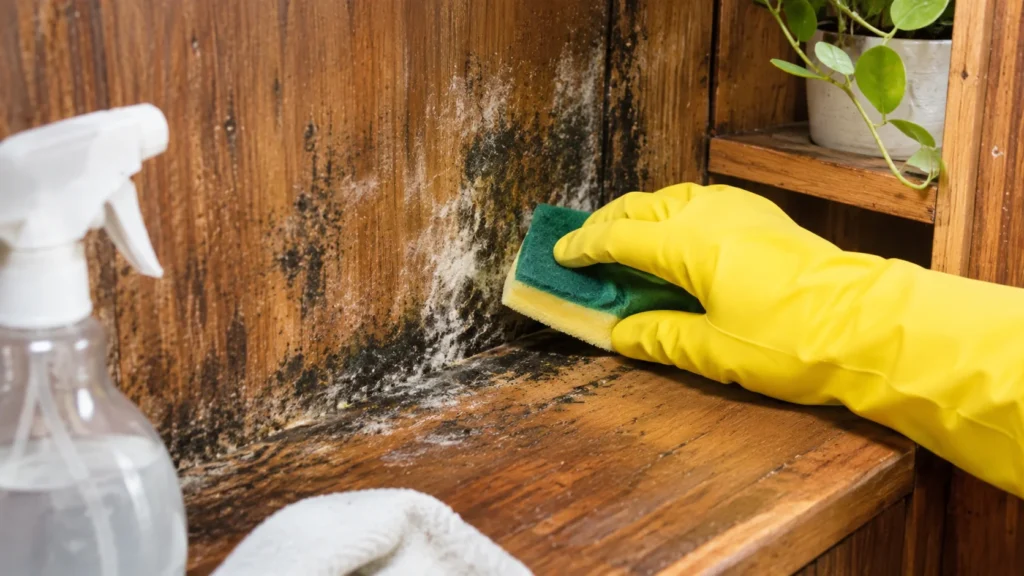
For a small area on sound, finished wood:
- Test a suitable cleaner on a hidden section.
- Wipe the affected area gently with a cloth dampened with an appropriate cleaning solution.
- Avoid soaking the wood or damaging its finish.
- Dry it promptly and thoroughly.
- Identify and correct the source of moisture.
How to get rid of white mold on wood
White, fuzzy growth on wood may be mold, but its color alone cannot establish what it is. Check whether the wood is damp, whether the growth spreads, and whether there is a nearby leak or condensation problem. Clean a small, accessible patch only if the wood is sound and the cleanup can be done safely.
How to get rid of black mold on wood
Dark growth on wood should be assessed in the same way as other mold: by the affected area, material condition, and moisture source. If the wood is soft, rotting, extensively affected, or part of a structural component, seek professional advice rather than sanding or cutting it yourself. Sanding dry moldy wood can release particles into the air.
How to get rid of mold on furniture
For finished wooden furniture, use a material-compatible cleaner and avoid excessive water. Move the item to a dry, well-ventilated area if practical, and inspect the back, underside, drawers, and joints.
Upholstered furniture and particleboard furniture are harder to clean thoroughly because mold may penetrate the padding or compressed wood fibers. If an item remains musty, has extensive growth, or was soaked by contaminated water, professional assessment or disposal may be appropriate.
How to Get Rid of Mold on Carpet
Carpet is challenging because mold may grow not only on the fibers but also in the backing, padding, and subfloor beneath it. Removing visible spots does not guarantee that hidden growth has been eliminated.
For a small, recent spill, remove excess moisture promptly and dry the carpet completely. Do not saturate the carpet with bleach or household cleaning mixtures. These can damage fibers and may not reach the source of the problem.
How to get rid of mold in carpet
- Find and stop the leak or source of dampness.
- Remove standing water using appropriate equipment if it is safe.
- Dry the carpet and the area beneath it as quickly as possible.
- Check the padding and subfloor for persistent dampness or odor.
- Seek professional advice if the carpet has widespread growth or remains wet and musty.
Carpet or padding contaminated by flooding or sewage may need to be removed. If mold has spread beneath the carpet, surface shampooing alone is unlikely to solve the problem.
How to Get Rid of Mold on Clothes
Moldy clothing should be handled carefully, especially if the fabric is visibly covered in growth or has been damp for a long time. Take affected items away from clean laundry to avoid spreading residue.
For washable garments:
- Check the care label and separate affected items from unaffected clothing.
- Brush off loose outdoor debris only in a way that avoids creating indoor dust.
- Wash the garment with detergent at the warmest temperature permitted by the care label.
- Use a laundry additive only if it is suitable for the fabric and safe to use with the detergent.
- Dry the clothing completely before storing it.
Do not mix bleach with ammonia, vinegar, or other cleaning products. Some bleach products are unsuitable for colored or delicate fabrics, so follow the label and garment-care instructions.
If mold remains after washing, the garment still smells musty, or the fabric is badly deteriorated, another cleaning method or disposal may be necessary. Keep clean clothes in a dry cupboard and avoid storing them while damp.
How to Get Rid of Mold Smell
A musty smell often signals moisture or mold in a place that has not been fully cleaned or dried. Air fresheners and scented sprays may disguise the odor temporarily, but they do not correct its cause.
To address the smell:
- Inspect under sinks, behind furniture, around windows, and inside closets.
- Check carpets, stored fabrics, and cardboard boxes for dampness.
- Repair leaks and dry wet materials.
- Clean suitable hard surfaces and launder washable fabrics.
- Remove or professionally treat materials that remain moldy or musty.
- Improve ventilation and control indoor humidity.
How to get rid of mold smell in a house
If the smell persists even after visible areas have been cleaned, consider hidden growth behind furniture, beneath flooring, inside wall cavities, or around heating and cooling equipment. Do not dismantle HVAC equipment or disturb large concealed areas yourself. A qualified professional can investigate the source.
How to Get Rid of Mold in a Car
Mold can develop inside a vehicle when rainwater enters through damaged seals, windows are left open during wet weather, or damp clothing and spills remain inside. A clogged drainage channel or air-conditioning problem can also contribute to moisture.
For a small, isolated patch on a suitable hard interior surface:
- Find and fix the source of water.
- Remove loose items and keep them separate from clean belongings.
- Wear suitable protective equipment and ventilate the vehicle safely.
- Clean the affected surface with a product approved for that material.
- Dry the interior thoroughly, including any damp floor mats.
- Check whether the carpet padding or upholstery remains wet.
Avoid spraying cleaners indiscriminately into vents, electrical components, or seat mechanisms. Extensive mold on upholstery, beneath carpets, or throughout the ventilation system may require professional vehicle detailing or remediation.
How to get rid of mold in a car’s air-conditioning system
If a musty smell appears when the air conditioner runs, the issue may involve moisture in the ventilation system, a blocked drain, or contamination inside the HVAC assembly. Replace cabin filters according to the vehicle manual and have the system inspected if the odor continues. Do not pour household bleach or other improvised cleaners into air vents.
How to Get Rid of Mold in a Washing Machine
Front-loading washers can develop residue around the rubber door gasket, detergent drawer, and other damp areas. Top-loading machines may also accumulate residue around the lid, dispensers, or internal components.
To clean the machine:
- Check the manufacturer’s cleaning instructions.
- Remove detergent-drawer inserts if the manual permits it, then wash and dry them.
- Wipe the door gasket or lid area with an approved cleaner.
- Clean accessible residue from the detergent compartment.
- Run the manufacturer’s recommended washer-cleaning cycle with the specified product.
- Leave the door or lid and detergent drawer open after use when safe, allowing moisture to evaporate.
How to get rid of mold in a front-loading washer
Inspect the folds of the rubber gasket carefully because water and lint can collect there. Wipe away residue without pulling or damaging the seal. If the gasket is torn, badly deteriorated, or still has growth that cannot be cleaned, it may need replacement by a qualified technician.
Do not combine bleach, vinegar, descaler, or other cleaning products in the machine. Follow the washer manufacturer’s guidance for product compatibility.
How to Get Rid of Mold in a Dishwasher
Dishwashers can accumulate food particles, grease, and moisture around door seals, filters, spray-arm openings, and the drain area.
- Remove and clean the filter according to the manual.
- Wipe accessible door seals with a suitable cleaner.
- Clear food debris from accessible areas.
- Check for standing water or drainage problems.
- Run a cleaning cycle using a dishwasher-safe product as directed.
- Leave the door slightly open after a cycle if the manufacturer permits it and it is safe to do so.
If the dishwasher continues to smell musty, inspect for drainage issues, leaks beneath the appliance, or contamination in inaccessible components. Do not pour household mold removers into the dishwasher unless the product is explicitly approved for that use.
How to Get Rid of Mold on a Window Sill
Window sills often develop mold when indoor moisture condenses on cold glass and runs onto the frame. Leaking window seals can cause a similar problem.
For a small patch on a washable sill, clean with detergent and water, then dry thoroughly. Inspect the window frame, surrounding wall, and caulk for cracks or signs of water entry.
To prevent recurrence, wipe condensation promptly, improve room ventilation, and check whether curtains or furniture are restricting airflow. If the sill is soft, swollen, or rotting, or mold extends into the surrounding wall, the underlying material may need repair or replacement.
How to Get Rid of Mold Under the Sink
Mold beneath a kitchen or bathroom sink commonly develops because of a slow plumbing leak, condensation on pipes, or water that has collected in stored items.
Empty the cabinet and inspect the base, pipe connections, shutoff valves, and surrounding wall. Repair the leak before cleaning.
For a small patch on a sound, washable cabinet surface, use a suitable detergent solution and dry the area completely. Replace absorbent items such as moldy cardboard or badly affected particleboard if they cannot be cleaned and dried adequately.
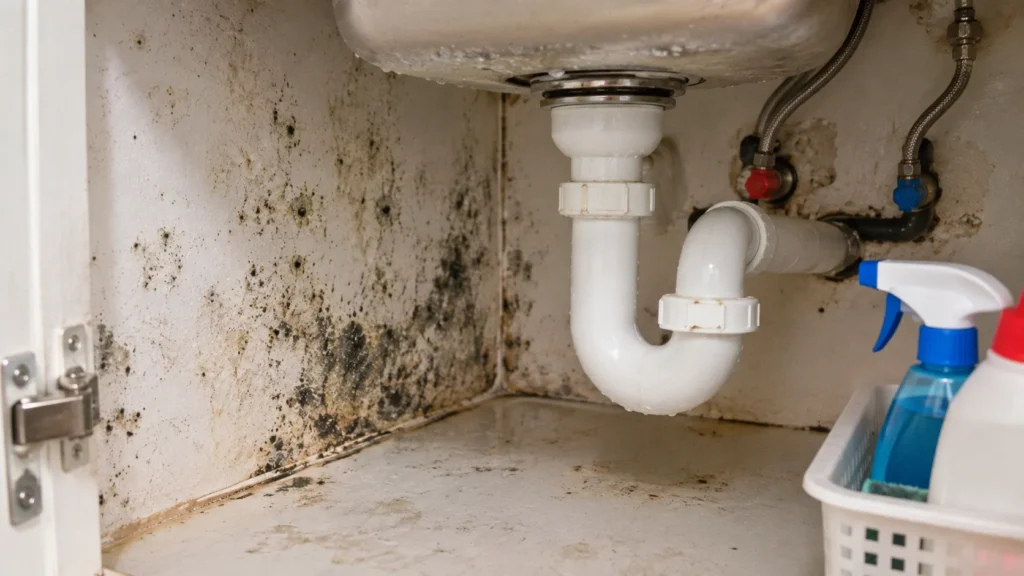
If the cabinet floor is swollen, crumbling, or moldy on its underside, surface wiping may not be enough. Persistent moisture can also affect the wall or floor behind the cabinet, so investigate beyond the visible spot when necessary.
How to Get Rid of Mold in a Crawl Space
Crawl spaces may stay damp because of ground moisture, leaking pipes, poor drainage, or humid outdoor air entering a cooler space. Mold in these areas can affect wood framing and contribute to musty odors indoors.
Do not enter a crawl space if it has standing water, unsafe wiring, unstable flooring, animal waste, or limited safe access. Confined and poorly ventilated areas can pose additional hazards.
A long-term solution may involve repairing plumbing, improving drainage, controlling ground moisture, or correcting ventilation and humidity problems. Because crawl spaces can contain hidden structural damage and difficult working conditions, professional inspection is often the safest option when mold is widespread.
How to Get Rid of Mold Mites
Mold mites are tiny organisms that may feed on mold and other fungi in damp environments. They are not the same thing as mold, and cleaning the mites without removing the mold or excess moisture may not resolve the problem.
If you suspect mold mites:
- Inspect damp cupboards, stored food areas, windowsills, and other places where mold may be growing.
- Remove mold from suitable surfaces using an appropriate cleaning method.
- Discard contaminated items that cannot be cleaned safely.
- Repair leaks and improve ventilation.
- Store dry goods in clean, sealed containers.
If you see tiny moving insects but cannot identify them, avoid assuming they are mold mites. Other small household pests can look similar. A pest-control professional may help identify the organism and determine the appropriate treatment.
How to get rid of mold mites on skin
Mold mites are not generally considered parasites that live on human skin. If you have itching, a rash, or unexplained skin irritation, do not assume mold mites are responsible. Avoid applying household mold cleaners, bleach, or pesticides to your skin. Wash gently and seek medical advice if symptoms persist or worsen.
How to Get Rid of Mold in Your Body
Mold growing on household surfaces is different from a fungal infection inside the body. People can experience allergic reactions or irritation from exposure to mold, and certain fungal infections can occur in specific circumstances, particularly in people with weakened immune systems. However, the presence of mold in a home does not automatically mean that mold is growing inside your body.
Be cautious of products marketed as mold detoxes, cleanses, or treatments that claim to remove mold from the body without a medical diagnosis. If you have ongoing symptoms that concern you, consult a qualified healthcare professional rather than trying to self-treat a suspected internal mold problem.
For household mold concerns, focus on the proven environmental steps: remove visible growth safely, address moisture, and prevent further dampness.
Should You Use Vinegar, Hydrogen Peroxide, or Bleach to Remove Mold?
Different cleaning products have different uses, and no single product is appropriate for every surface. The surface material, extent of growth, ventilation, and product instructions all matter.
| Cleaning option | Where it may be appropriate | Important limitation |
| Detergent and water | Many small mold patches on hard, washable surfaces | The surface must be dried thoroughly afterward |
| White vinegar | Some suitable hard surfaces, if compatible with the material | It is not a universal mold treatment and may damage certain finishes |
| Hydrogen peroxide | Some surfaces when the product label permits it | May discolor fabrics, finishes, or other materials |
| Bleach-based cleaner | Specific compatible surfaces and uses listed on the label | Can irritate skin and lungs, damage materials, and must never be mixed with other cleaners |
| Specialized mold cleaner | Surfaces specifically listed on the product label | Follow the safety directions and do not assume it can treat mold inside porous materials |
Important: Never combine cleaning products to make a stronger solution. In particular, mixing bleach with ammonia or other cleaners can release dangerous fumes. Use one product at a time, follow its label, and provide adequate ventilation.
How to Stop Mold From Coming Back
Removing visible growth is only one part of solving a mold problem. The conditions that allowed it to grow must also change.
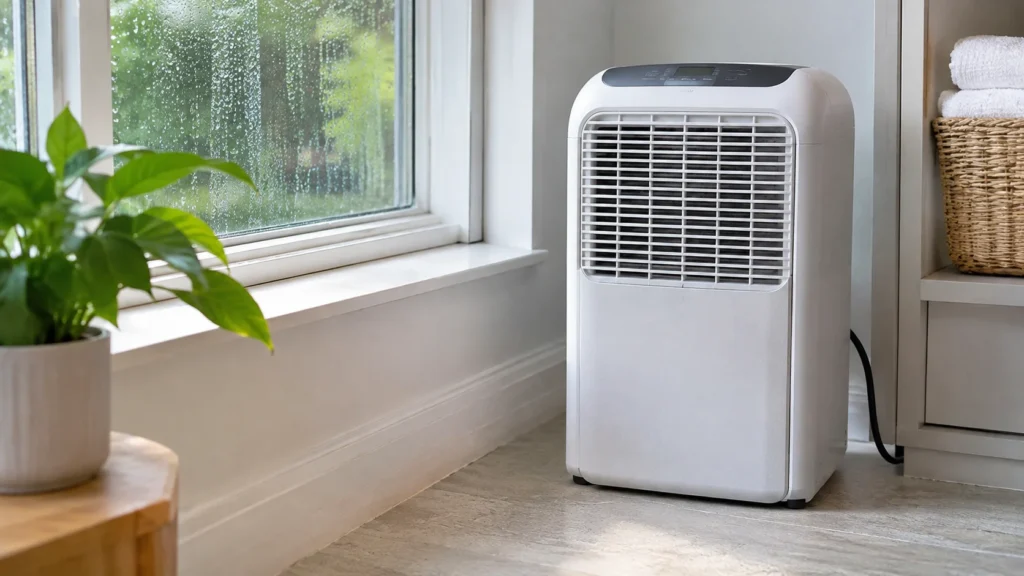
Control indoor humidity
Use a hygrometer to monitor indoor humidity. The EPA recommends keeping indoor relative humidity below 60%, ideally between 30% and 50% when practical. A dehumidifier can help in damp basements or other humid rooms.
Improve airflow
Run exhaust fans in bathrooms and kitchens where available. Keep air moving around windows, closets, and furniture, and avoid blocking vents.
Repair water leaks promptly
Inspect plumbing connections, roofs, window seals, appliances, and basement walls. Even a small, persistent leak can keep building materials damp enough for mold to grow.
Dry wet materials quickly
Deal with spills, leaks, and wet fabrics promptly. Aim to dry water-damaged materials within 24–48 hours when possible, while recognizing that some materials may need removal if they cannot be dried adequately.
Keep bathrooms and laundry areas dry
Wipe standing water from shower ledges, clean washing-machine seals as recommended, and allow damp items to dry before putting them away. Do not leave wet towels in piles or store damp clothes in enclosed hampers for long periods.
Avoid covering up mold
Do not paint, caulk, or install new coverings over visible mold before cleaning it and correcting the moisture source. A new surface finish may conceal the problem without stopping growth underneath.
When Should You Call a Mold Removal Professional?
DIY cleanup is not suitable for every mold problem. Consider professional assistance when:
- The affected area is larger than approximately 10 square feet.
- Mold appears after sewage contamination or extensive flooding.
- Growth is inside walls, ceilings, insulation, or ventilation equipment.
- The affected material is soft, crumbling, warped, or structurally damaged.
- Mold repeatedly returns despite cleaning and moisture repairs.
- You cannot safely reach or isolate the affected area.
- Someone in the household has a condition that makes mold exposure especially concerning.
The EPA and CDC provide further guidance on evaluating mold cleanup, protective equipment, and when additional assistance may be appropriate.
Conclusion
Learning how to get rid of mold starts with identifying where it is growing and why the area is damp. Small patches on suitable hard surfaces can often be cleaned with detergent and water, while mold affecting drywall, carpet padding, insulation, or damaged wood may require material removal or professional assessment.
Whether you are dealing with black mold on walls, shower growth, a musty basement, moldy clothing, or an unpleasant smell in your car, the lasting solution is the same: remove the growth safely, dry the affected area, and correct the moisture problem. Regular inspections, good ventilation, prompt leak repairs, and careful drying help keep mold from returning.
1. What is the fastest way to get rid of mold?
For a small patch on a suitable hard surface, clean it with detergent and water, remove the visible growth, and dry the surface thoroughly. Fix the moisture source at the same time. Larger or hidden problems may need professional remediation.
2. Does bleach kill mold permanently?
Bleach can be useful for certain compatible surfaces, but it does not guarantee permanent mold removal. Mold may remain within porous materials, and new growth can develop if moisture continues. Choose a cleaning method suitable for the material and follow the product label.
3. Can vinegar remove mold?
Vinegar may help clean some mold-affected surfaces, but it is not suitable for every material or situation. It cannot reliably solve mold growing deep inside absorbent building materials. Never mix vinegar with bleach or other cleaning products.
4. Why does mold keep coming back after cleaning?
Mold commonly returns when the original cause of moisture remains. Leaks, condensation, poor ventilation, damp building materials, and hidden growth can all contribute. Inspect the area carefully and correct the underlying problem rather than repeatedly cleaning the same spot.
5. How do I know if mold is growing behind a wall?
Possible warning signs include a persistent musty odor, recurring surface growth, peeling paint, bubbling wallpaper, soft drywall, and water stains. These signs are not conclusive on their own. A qualified professional can investigate suspected hidden mold and moisture damage.
6. Should I test mold to find out what type it is?
In most ordinary household situations, identifying the exact mold species is not necessary before taking action. The CDC does not recommend routine home mold testing as the first step. Visible mold should be addressed, and its moisture source should be corrected.
7. Can I paint over a moldy wall?
No. Painting over visible mold does not remove it or correct the moisture problem. Clean the affected surface or remove damaged material as appropriate, fix the source of moisture, and make sure the area is dry before repainting.
8. How do I remove mold without damaging the surface?
Choose a cleaner designed for the surface, test it in a hidden area, and use a soft cloth or brush when appropriate. Avoid excessive water, abrasive tools, and strong chemicals that are incompatible with the material. Delicate finishes and porous surfaces may require specialist treatment.
9. Can mold grow in an air conditioner?
Yes. Moisture and accumulated debris can allow mold to grow in some parts of an HVAC system. If you suspect mold inside the equipment or ductwork, arrange an appropriate inspection rather than spraying household cleaners into the system.
10. Is pink mold in the bathroom really mold?
Pink residue in bathrooms is often associated with the bacterium Serratia marcescens, although the appearance alone cannot confirm its identity. Clean the affected surface with an appropriate product, remove soap residue, and reduce persistent moisture.
11. How can I get rid of a mold smell without simply masking it?
Find the damp or contaminated material causing the odor. Inspect hidden corners, carpets, cupboards, furniture, and areas around plumbing. Clean what can be cleaned safely, dry everything thoroughly, and seek professional help if the smell persists without an obvious source.
12. When is mold too extensive to clean myself?
Consider professional remediation when the affected area exceeds about 10 square feet, when mold is hidden or widespread, or when the problem involves sewage, extensive water damage, or building materials that cannot be cleaned adequately. Personal health risks and unsafe access are also reasons to avoid DIY cleanup.